



In a move that underscores a renewed commitment to domestic manufacturing and industrial self-reliance, NSI has officially announced the acquisition of Norridge, Illinois-based Cast Products Inc. (CPI). This strategic merger brings together two powerhouses in the electrical and industrial component sectors, promising to reshape the landscape of high-volume zinc die casting and cable management solutions.
By integrating CPI’s decades of technical expertise with NSI’s expansive distribution network, the acquisition represents more than just a change in ownership; it is a calculated effort to fortify the U.S. supply chain, boost production capacity, and deliver next-generation engineering to a demanding market.
The Core Facts: A Strategic Alignment
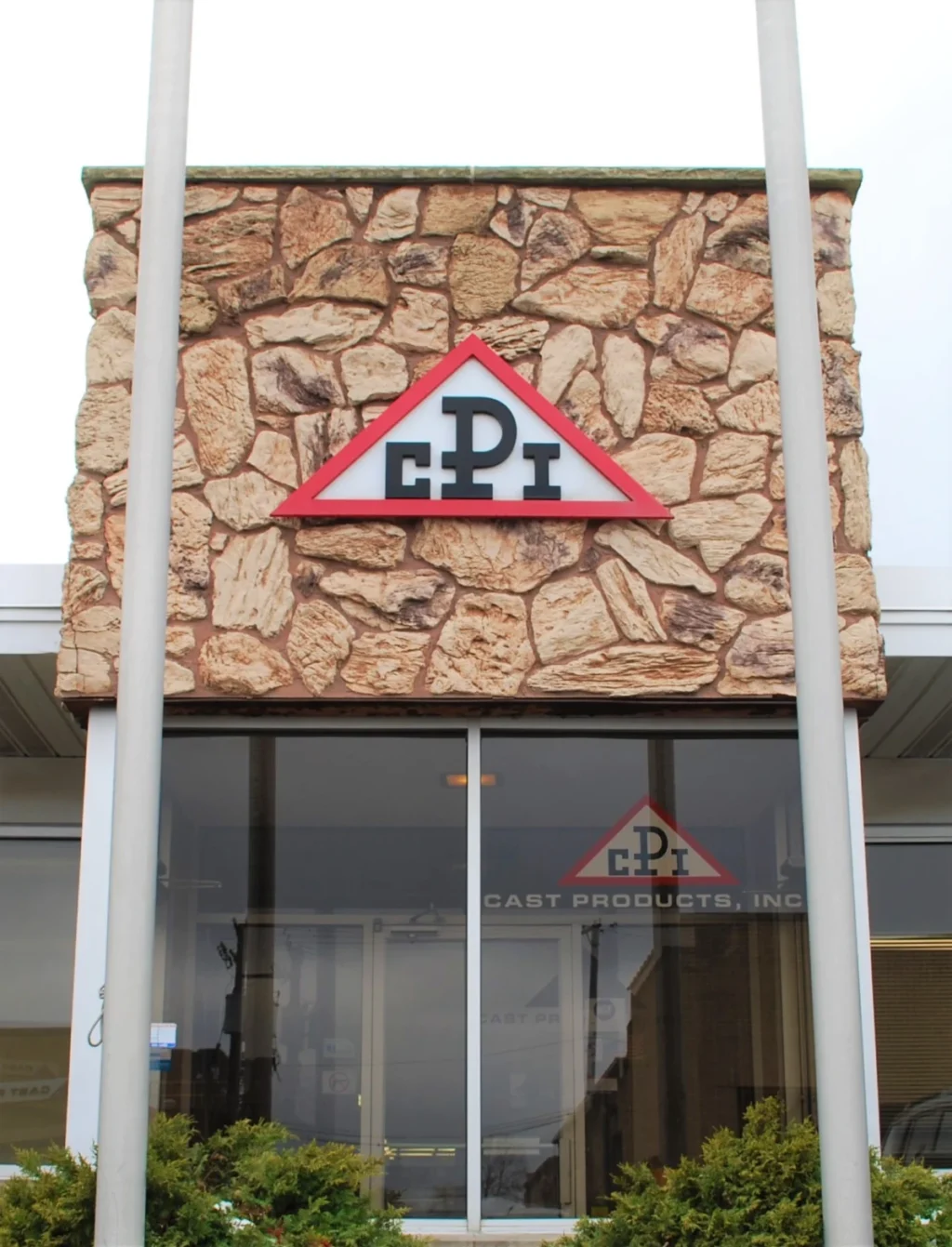
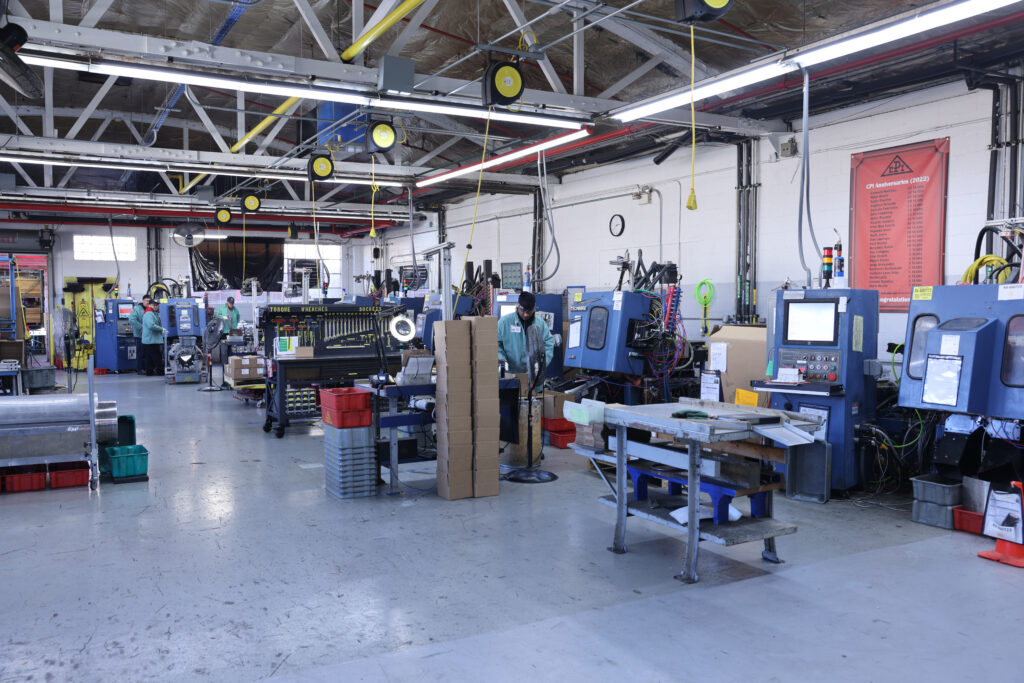
The acquisition of Cast Products Inc. by NSI is a pivotal development for the electrical infrastructure market. CPI, a legacy manufacturer founded in 1966, has built a reputation over 57 years for precision, innovation, and reliability in zinc die casting. Their facility in Norridge has long been a hub for engineering excellence, focusing on the high-volume production of complex parts that serve the automotive, industrial, and electrical sectors.
For NSI, this acquisition is the latest in a series of investments designed to consolidate their leadership in the Cable and Conduit Fittings category—already the company’s largest and fastest-growing business unit. By bringing CPI into the fold, NSI gains immediate access to advanced die-casting machine technology, sophisticated tool fabrication capabilities, and refined secondary processing workflows. This vertical integration allows NSI to exert greater control over quality, lead times, and manufacturing innovation, effectively insulating their customer base from the volatility of global logistics.
A Chronology of Excellence: From 1966 to the Present
To understand the significance of this acquisition, one must look at the historical trajectory of Cast Products Inc.
- 1966: CPI is founded with a mission to provide high-quality zinc die-cast parts to a growing American industrial base.
- 1970s–1990s: The company establishes its footprint in Norridge, Illinois, continuously upgrading its machinery to stay ahead of the curve in the competitive die-casting market.
- 2000s: CPI distinguishes itself by moving beyond simple production, investing heavily in proprietary tool design and engineering services that allow for tighter tolerances and higher-quality finishes.
- 2010s: CPI cements its status as a critical supplier for major distributors and original equipment manufacturers (OEMs), proving that American-made parts can compete successfully on price and quality against offshore alternatives.
- 2023–2024: NSI identifies CPI as a key strategic partner. The acquisition is finalized, marking the transition of CPI into the NSI family of brands, alongside established industry titans like Bridgeport Fittings and Remke Industries.
This history of longevity is a cornerstone of the acquisition’s value proposition. It is not merely an infusion of capital, but a merging of two institutional cultures that prioritize the "Made in the USA" label.
Supporting Data: Why Zinc Die Casting Matters
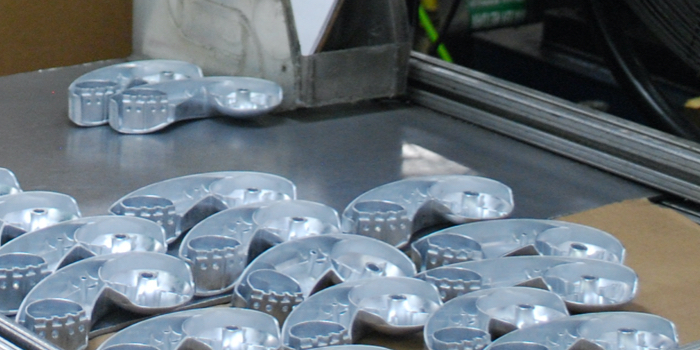
The precision required in modern electrical fittings cannot be overstated. Zinc die casting is a critical process for creating components that are durable, dimensionally stable, and aesthetically superior.
According to industrial manufacturing standards, zinc alloys provide an exceptional strength-to-weight ratio and allow for complex, thin-walled geometries that other metals cannot achieve with the same cost-efficiency. CPI’s capabilities include:

- Innovative Tooling: By engineering their own molds and dies, CPI reduces the time-to-market for new product iterations.
- High-Volume Throughput: Their facility is optimized for the rapid, consistent production cycles required to keep up with the massive demand for cable and conduit fittings in residential and commercial construction.
- Secondary Processing: Beyond the cast itself, CPI performs drilling, tapping, and finishing, ensuring that components arrive at the job site "installation-ready," which is a significant value-add for electrical contractors.
By bringing these technical capabilities in-house, NSI is effectively reducing its reliance on outsourced tooling and external production facilities. This move serves to de-risk the supply chain, ensuring that when demand spikes, NSI’s inventory remains stable and reliable.
Official Perspectives and Market Implications
The leadership at both NSI and CPI have framed this acquisition as a homecoming for quality American engineering. In industry briefings, spokespersons for NSI have emphasized that the acquisition is part of a broader, multi-year strategy to "onshore" critical manufacturing processes.
"This is about more than just numbers on a balance sheet," stated an NSI representative. "It is about the integrity of the product. When an installer picks up an NSI fitting, they need to know it was crafted with precision and tested to the highest standards. CPI brings that level of commitment to our portfolio."
The market implications are profound. For distributors, the union means a more cohesive product line. Instead of sourcing fittings from one vendor and specialized zinc components from another, they can now rely on a unified ecosystem provided by NSI, Bridgeport, and Remke. For contractors, it means a more robust, readily available stock of parts that meet the rigorous codes required for modern electrical infrastructure.
The Broader Impact: Reshoring and the U.S. Economy
The "American Company" aspect of this merger is perhaps its most resonant theme. In an era where global trade tensions and shipping bottlenecks have crippled many construction projects, the decision to invest in a domestic, long-standing manufacturer like CPI is a strategic hedge.
Manufacturing in the United States offers several distinct advantages that are currently being leveraged by this acquisition:
- Quality Assurance: Direct oversight of the factory floor allows for immediate quality control adjustments.
- Environmental Efficiency: By producing closer to the end-user, the company significantly reduces the carbon footprint associated with long-haul international shipping.
- Community Investment: Supporting the Norridge facility sustains local skilled labor jobs, preserving specialized trade knowledge that is essential to the longevity of the American manufacturing sector.
Future Outlook: The Road Ahead
As NSI continues to integrate CPI into its operations, the industry should expect to see a surge in new product development. With the added die-casting capacity, the R&D teams at NSI will have the flexibility to experiment with new alloys and more ergonomic, time-saving designs for the electrical trade.
The integration of CPI’s drone-monitored facility and its high-tech, automated lines into the NSI network will also likely lead to an increase in operational efficiency. As the construction industry faces ongoing pressures regarding labor shortages and material costs, the availability of high-quality, pre-engineered components becomes a key differentiator for successful projects.
Conclusion: A Synergistic Partnership
The acquisition of Cast Products Inc. by NSI stands as a testament to the endurance of the American manufacturing spirit. By bridging the gap between legacy expertise and modern, scalable distribution, NSI has positioned itself as a dominant force in the electrical infrastructure space.
For the professional contractor, the distributor, and the industrial partner, this news signifies a promise of stability and a future characterized by higher-quality, U.S.-manufactured solutions. As NSI continues to build upon the foundation laid by 57 years of CPI history, the market can look forward to a more resilient, efficient, and technologically advanced future in electrical fittings and beyond.
Whether it is through the continued excellence of the Bridgeport and Remke brands or the new, high-volume output of the Norridge facility, NSI is clearly signaling that they are prepared to meet the demands of the 21st-century infrastructure market head-on. The partnership is a win for the industry, a win for the U.S. workforce, and a significant milestone in the ongoing story of American industrial evolution.