





Introduction: The Human Element in a Digital Age
While the modern world often looks to the sky—to satellites and cloud computing—as the symbols of 21st-century connectivity, the reality of global communication remains firmly anchored to the ocean floor. Over 99% of intercontinental digital communications are carried not by signals in space, but by a sophisticated network of fiber-optic cables traversing the deep seas. However, as geopolitical tensions rise and the demand for data explodes, a critical vulnerability has emerged: a looming shortage of the specialized workforce required to build, maintain, and protect this infrastructure.
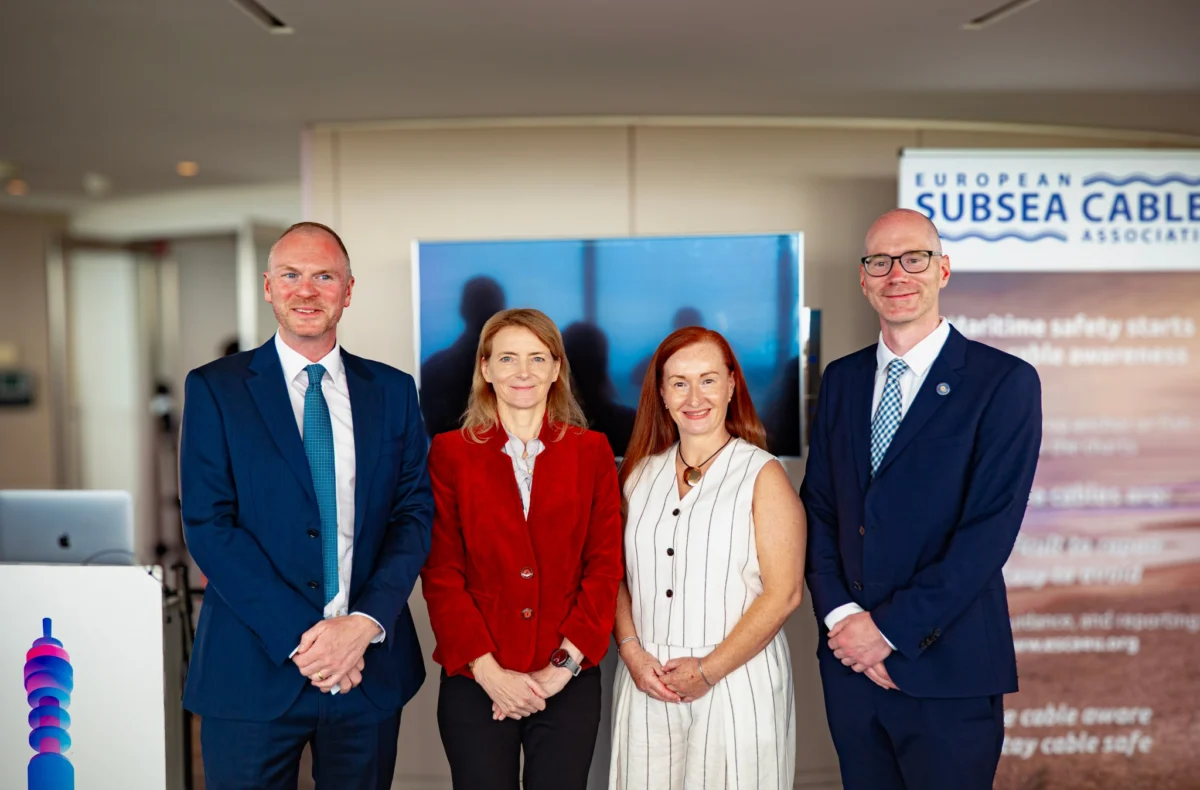
This week, at London’s iconic BT Tower, a high-level summit brought together the UK’s Minister for Digital Economy, industry titans, and academic leaders. Their mission was clear: to shift the narrative from the hardware of subsea cables to the "human software"—the engineers, mariners, and technicians who serve as the guardians of the global internet. The Subsea Cables Summer Reception, hosted by BT in partnership with the European Subsea Cables Association (ESCA), the International Cable Protection Committee (ICPC), and the SubOptic Foundation, marked a pivotal moment in the national strategy to secure the UK’s digital and energy future.
Main Facts: The Criticality of Subsea Infrastructure
To understand the urgency of the gathering at the BT Tower, one must first understand the sheer scale and importance of the subsea cable industry. These cables are the lifeblood of the global economy, facilitating everything from high-frequency financial trading and cloud-based enterprise services to international diplomatic communications and daily social media interactions.
The Economic and Strategic Stakes
Subsea cables are not merely "telecoms equipment"; they are critical national infrastructure (CNI). The global economy relies on the near-instantaneous transfer of data. A single cable outage can disrupt billions of dollars in transactions. Furthermore, the industry is no longer limited to data. The "Subsea" sector now encompasses high-voltage direct current (HVDC) interconnectors, which are essential for the UK’s transition to renewable energy, allowing the sharing of wind and solar power across international borders.
The Workforce Crisis
Despite its importance, the industry remains largely "invisible" to the general public and, crucially, to young professionals entering the job market. The workforce is aging, and the specialized skills required—combining maritime expertise with high-end electrical engineering and environmental science—are in short supply. The BT Tower event served as a clarion call to address this "skills pipeline" before it becomes a bottleneck for global digital expansion.
Chronology: A Gathering of Strategic Minds
The Subsea Cables Summer Reception was structured as a collaborative forum designed to bridge the gap between policy-making and technical execution.
Opening Keynotes
The event was inaugurated by Baroness Lloyd, the UK’s Minister for Digital Economy, and Gus Jaspert, Managing Director – Marine at The Crown Estate. Their opening remarks set a tone of "resilience through people." They emphasized that while technological innovation in cable capacity is impressive, the physical reality of laying and repairing cables in the harsh environments of the North Atlantic or the English Channel requires a level of human expertise that cannot be automated.
Engaging the "NextGen"
A central feature of the day was the interaction between government officials and the ESCA NextGen Subgroup. This network, comprising approximately 120 students and early-career professionals, represents the future of the industry. Baroness Lloyd spent significant time meeting with these young engineers and offshore specialists, gaining firsthand insight into the barriers they face and the motivations that drew them to this niche but vital sector.
Showcasing Diverse Career Paths
Throughout the afternoon, the event showcased the multifaceted nature of the industry. It moved beyond the traditional image of the "cable ship" to highlight the roles of environmental specialists who ensure cables do not harm marine ecosystems, manufacturers who develop ultra-durable materials, and project managers who navigate the complex legal and regulatory waters of international maritime law.
Supporting Data: The Complexity of the Subsea Ecosystem
The industry’s demand for talent is driven by the increasing complexity of subsea projects. Supporting data presented at the event and by industry bodies highlights the multifaceted nature of the required skill sets.
A Diverse Skillset Requirement
The "subsea professional" is not a monolith. The industry requires a synergy of various disciplines:
- Mariners and Navigators: Essential for the precision placement of cables in busy shipping lanes and treacherous terrains.
- Subsea Engineers: Specialists in fiber optics and high-voltage power who can troubleshoot issues at depths of several kilometers.
- Environmental Scientists: Tasked with conducting seabed surveys and ensuring that infrastructure projects align with global biodiversity goals.
- Legal and Regulatory Experts: Managing the "UNCLOS" (United Nations Convention on the Law of the Sea) frameworks and national permits.
The Growth of Data Traffic
According to industry projections, global data demand continues to grow at a compound annual rate of 30-40%. This necessitates not only new cables but more frequent maintenance of existing ones. As the density of the subsea network increases, the risk of accidental damage from fishing or anchoring also rises, placing a higher premium on "repair and protect" teams.
The Shift Toward Apprenticeships
Data shared during the summit indicated a shift in recruitment strategies. While graduate degrees remain important, there is a growing emphasis on vocational training. Apprenticeships in marine engineering and technical education (T-Levels in the UK) are being identified as the most effective routes to building a resilient, hands-on workforce.
Official Responses: Voices from the Frontline
The rhetoric at the BT Tower reflected a sense of shared responsibility between the public and private sectors.
Baroness Lloyd, Minister for Digital Economy, underscored the government’s perspective on national security:
"Subsea cables are the hidden backbone of our economy and everyday lives, carrying the data that keeps people, businesses and public services connected. Building a resilient future for this critical infrastructure means investing not just in technology, but in the skilled people who install, maintain and protect it—and events like this are vital to inspiring the next generation to take up those opportunities."
Gus Jaspert of The Crown Estate focused on the unique challenges of the marine environment:
"Subsea cables are a critical part of our national life and complex marine ecosystem. However, the infrastructure itself is only part of the story. Our resilience as a nation depends just as much on the people who operate, maintain, and restore these systems—sometimes in very difficult conditions. It is great to come together with partners from across this vital sector to champion their work."
John Wrottesley, Executive Director of the ESCA, addressed the visibility gap:
"Subsea cables often make the headlines, but far less attention is given to the people who build, maintain, repair and protect them. If we want resilient digital infrastructure in the future, we need to invest in the workforce that makes it possible. That starts by inspiring more people to see this as an exciting, rewarding and globally important career."
Implications: Securing Digital Sovereignty and Energy Transition
The conclusions drawn from the London summit have far-reaching implications for the UK and the broader international community.
1. National Security and Resilience
In an era of "hybrid threats," the protection of subsea cables has become a top-tier security priority. However, protection is not just about naval patrols; it is about the "mean time to repair." Having a domestic workforce capable of rapidly deploying to fix a severed cable is a deterrent in itself. A shortage of skilled repair crews would leave the UK’s digital economy vulnerable to prolonged outages.
2. The Green Energy Transition
The UK’s goal of reaching Net Zero relies heavily on offshore wind. Connecting these offshore farms to the mainland, and connecting the UK grid to Europe via interconnectors, requires the exact same workforce that services telecommunications cables. The competition for talent between the "data" side and the "energy" side of the subsea industry is intensifying, making the expansion of the talent pool even more urgent.
3. Economic Opportunity
By positioning itself as a hub for subsea expertise, the UK has the opportunity to export these services globally. The "NextGen" professionals trained today will be the consultants and lead engineers for global projects in the 2030s and 2040s.
4. Educational Reform
The event highlighted the need for a curriculum that recognizes the "Blue Economy." Education providers are being encouraged to integrate subsea cable technology into STEM (Science, Technology, Engineering, and Mathematics) programs, ensuring that students are aware of these high-paying, high-impact careers before they make their final career choices.
Conclusion: A Call to Action
The gathering at the BT Tower was more than a social reception; it was a strategic alignment of government policy and industrial necessity. As the world becomes increasingly reliant on the data flowing beneath the waves, the "invisible" industry can no longer afford to remain in the shadows.
The success of the UK’s digital and energy ambitions will not be decided by the speed of the fiber optics alone, but by the hands that lay them. The commitment shown by BT, ESCA, and the UK Government to fostering the "NextGen" of subsea professionals is a vital step toward ensuring that the backbone of the modern world remains strong, resilient, and ready for the challenges of the future.
The submarine cable industry is evolving rapidly. Stakeholders and professionals looking to stay at the forefront of these developments are encouraged to join the ongoing dialogue at Submarine Networks EMEA 2027, where the future of subsea connectivity will be charted.