







By Infrastructure Correspondent
The Texas Transportation Commission (TTC) officially ratified a comprehensive $138-billion transportation investment plan on August 26, setting the course for the state’s infrastructure development through fiscal year 2036. The Unified Transportation Program (UTP), an essential, rolling 10-year roadmap, serves as the primary instrument for the Texas Department of Transportation (TxDOT) to prioritize, manage, and allocate resources across the nation’s most rapidly expanding state.
While the sheer scale of the $138-billion investment underscores the state’s commitment to keeping pace with its explosive population growth, the 2027 UTP represents a sobering shift in fiscal reality. The total figure reflects a 5.5% decrease compared to the previous year’s projections, signaling a period of budgetary tightening that will force the agency to transition from an era of rapid project expansion to one of strategic maintenance and careful project stewardship.
The Anatomy of the 2027 Unified Transportation Program
The UTP is not a static budget but a dynamic, living document updated annually. Each year, TxDOT adds a new year to the planning horizon while recalibrating financial forecasts based on tax revenue, federal appropriations, and bond performance. The newly adopted 2027–2036 program consists of two primary pillars: $95 billion earmarked for specific construction and mobility projects, and $43 billion dedicated to project development, routine maintenance, and system preservation.
The $95 billion dedicated to direct project funding marks a 6.5% decline from the $101.6 billion programmed in the previous cycle. This reduction is not merely an administrative adjustment; it reflects a confluence of national economic uncertainty, shifts in federal transportation policy, and the volatility of state-level funding streams like oil and natural gas production taxes.
Chronology: From Initial Forecasts to Final Adoption
The development of the 2027 UTP began in earnest in January, when TxDOT officials first signaled that the financial landscape had shifted. Early projections indicated a 7% decline in project funding compared to the 2026 UTP.
- January 2026: TxDOT’s initial financial forecast projected a $94.5 billion program, citing significant federal funding uncertainty and lower anticipated proceeds from the Texas Mobility Fund.
- Spring 2026: Throughout the spring, TxDOT analysts monitored key economic indicators. While federal funding remained a source of concern, unexpected strength in state-level revenue streams provided a modest buffer.
- June 2026: Projections for Proposition 1 revenue—the state’s primary non-tolled road funding mechanism—outperformed expectations, allowing the agency to bolster the draft plan by approximately $500 million.
- August 26, 2026: The Texas Transportation Commission officially voted to adopt the $138-billion plan, locking in the fiscal trajectory for the next decade.
Fiscal Drivers and the Federal Funding Gap
The tightening of the UTP’s budget is tied closely to the legislative lifecycle of the Infrastructure Investment and Jobs Act (IIJA). With the federal surface transportation authorization set to expire on September 30, 2026, TxDOT has adopted a conservative fiscal stance.

TxDOT’s 2027 financial forecast explicitly assumes that federal funding will revert to pre-IIJA levels rather than maintaining the elevated funding provided by the current administration. This "reversion to the mean" accounts for a $4.4 billion reduction in the 10-year outlook.
Beyond federal appropriations, the UTP faces pressure from several state-level variables:
- Proposition 1 Revenue: While volatile, this source remains vital for the State Highway Fund. Despite recent upticks, the long-term forecast for oil and gas tax revenues remains sensitive to global energy market shifts.
- Texas Mobility Fund (TMF): Reduced bond proceeds from the TMF have constrained the agency’s ability to leverage capital for large-scale mobility projects.
- Nontraditional Funding: Declines in certain nontraditional revenue streams have forced a re-evaluation of project timelines.
These reductions are partially mitigated by consistent growth in state motor-fuel tax collections and vehicle registration fees, which remain the bedrock of the Texas highway system’s financial sustainability.
Strategic Priorities: Preservation and Congestion Relief
Despite the fiscal headwinds, TxDOT leadership maintains that the 2027 UTP is built on a foundation of "practical outcomes." The agency’s strategy is designed to balance the maintenance of an aging infrastructure network with the urgent need to address the congestion that plagues Texas’ major urban centers.
The Texas Clear Lanes Initiative
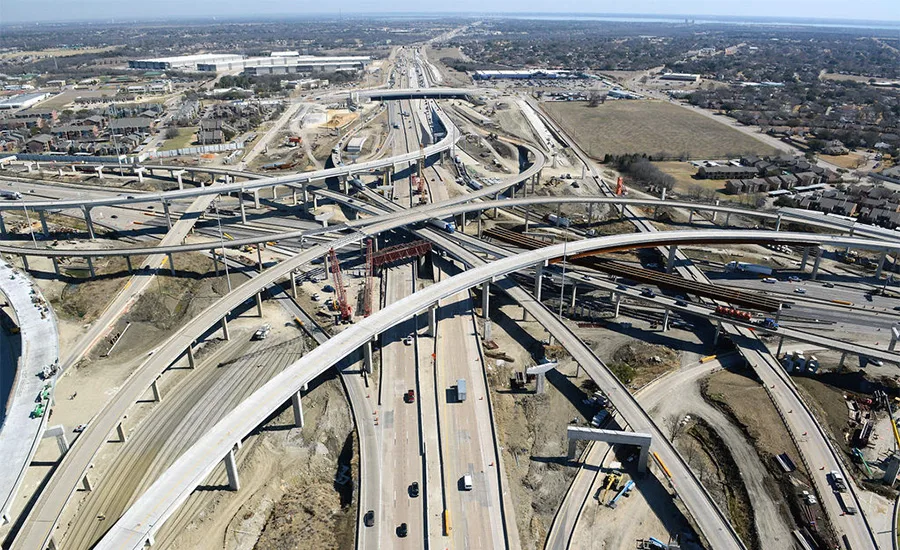
A cornerstone of the 2027 UTP is the continued investment in Texas Clear Lanes, the state’s signature congestion-relief program. Since its inception in 2015, the initiative has directed $90.6 billion toward projects aimed at clearing bottlenecks in the state’s most congested corridors. The 2027 UTP ensures that ongoing projects—such as the massive reconstruction of the I-35 Capital Express South in Austin—continue to receive the funding necessary for completion.
Rural Connectivity and Economic Hubs
Recognizing that Texas’ economic engine extends far beyond its metropolitan borders, the 2027 UTP places a renewed emphasis on rural corridors. By improving the reliability of freight movement and connectivity to key economic hubs, TxDOT aims to support the supply chains that underpin the state’s agricultural and industrial sectors.
Safety and System Preservation
The agency has signaled a tactical pivot: moving away from an expansive, growth-oriented portfolio toward a focus on "preserving the system we have." This includes increased funding for pavement repair, bridge rehabilitation, and safety enhancements—such as lighting, signage, and improved intersection design—aimed at reducing the state’s high rate of traffic fatalities.

Official Perspectives: Navigating the Future
TxDOT Executive Director Marc Williams emphasized the complexity of the current environment during the commission’s adoption meeting.
"This 10-year plan reflects the scale and complexity of meeting Texas’ transportation needs in one of the fastest-growing states in the nation," Williams stated. "It is focused on practical outcomes—improving safety, preserving the system we have, and supporting reliable movement for people and goods. With continued attention to project delivery, stewardship, and long-term performance, these investments help position TxDOT to meet today’s demands while planning responsibly for the future."
Acting Texas Transportation Commission Chair Alvin New echoed these sentiments, highlighting the collaborative nature of the program. "These investments will improve mobility, enhance connectivity, and make our roads safer for everyone," New noted, emphasizing that the plan was the result of extensive public input and engagement with regional transportation partners.
Implications: The Challenge of Implementation
The 2027 UTP carries significant implications for the future of infrastructure delivery in Texas. While the plan provides a roadmap, it also serves as a warning. TxDOT officials have explicitly cautioned that continued declines in available funding could force the agency to pause the addition of new mobility projects and may lead to delays for projects currently in the development pipeline that face funding gaps.
Furthermore, the agency is facing external constraints that threaten the efficiency of project delivery. Rising costs for professional engineering services and the increasing complexity of acquiring right-of-way have introduced new risks to the portfolio. If the cost of land acquisition and engineering continues to outpace inflation, the $138 billion total may prove even less "liquid" than current estimates suggest.
For the private sector, the implications are equally significant. Engineering firms, contractors, and material suppliers must prepare for a market that is shifting from large-scale greenfield expansion to intensive brownfield reconstruction and maintenance. The "shift from expanding the UTP portfolio… to an increased focus on the development of existing planned projects" suggests that the pipeline of new, multi-billion-dollar "mega-projects" may contract, placing a premium on firms that specialize in system modernization and infrastructure preservation.
As Texas continues its transformation into a global economic powerhouse, the 2027 UTP stands as a testament to both the state’s ambition and the fiscal realities of maintaining a world-class transportation network in a volatile global economy. The next decade will test whether TxDOT’s shift toward stewardship and targeted relief is sufficient to keep Texas moving.