





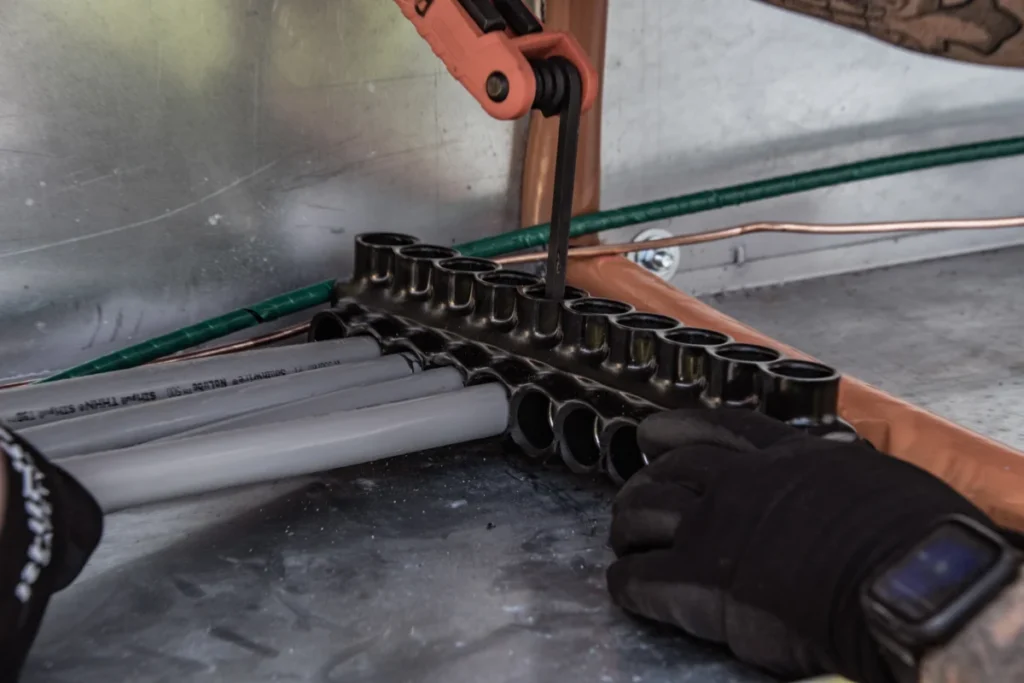
In the demanding world of professional electrical contracting, the difference between a project that stays on schedule and one that spirals into costly delays often comes down to the smallest components in the toolbox. Splicing and tapping conductors—the fundamental task of joining power lines to distribute electricity throughout a facility—is a cornerstone of the trade. While it may seem like a routine procedure, the selection of the correct connector configuration is a high-stakes decision that impacts safety, labor efficiency, and long-term system reliability.
As electrical systems become increasingly complex, the industry has shifted toward refined solutions like pre-insulated connectors. Leading this evolution is Polaris®, the original innovator of the category, which has spent over 35 years setting the standard for how power is routed and secured in both commercial and industrial environments.
Main Facts: The Anatomy of Efficiency
At their core, pre-insulated connectors serve a singular, critical purpose: facilitating the flow of current between conductors of varying types and sizes. Whether handling line-side or load-side applications, these connectors act as the bridge that ensures power is reliably distributed from the source to the terminal point.
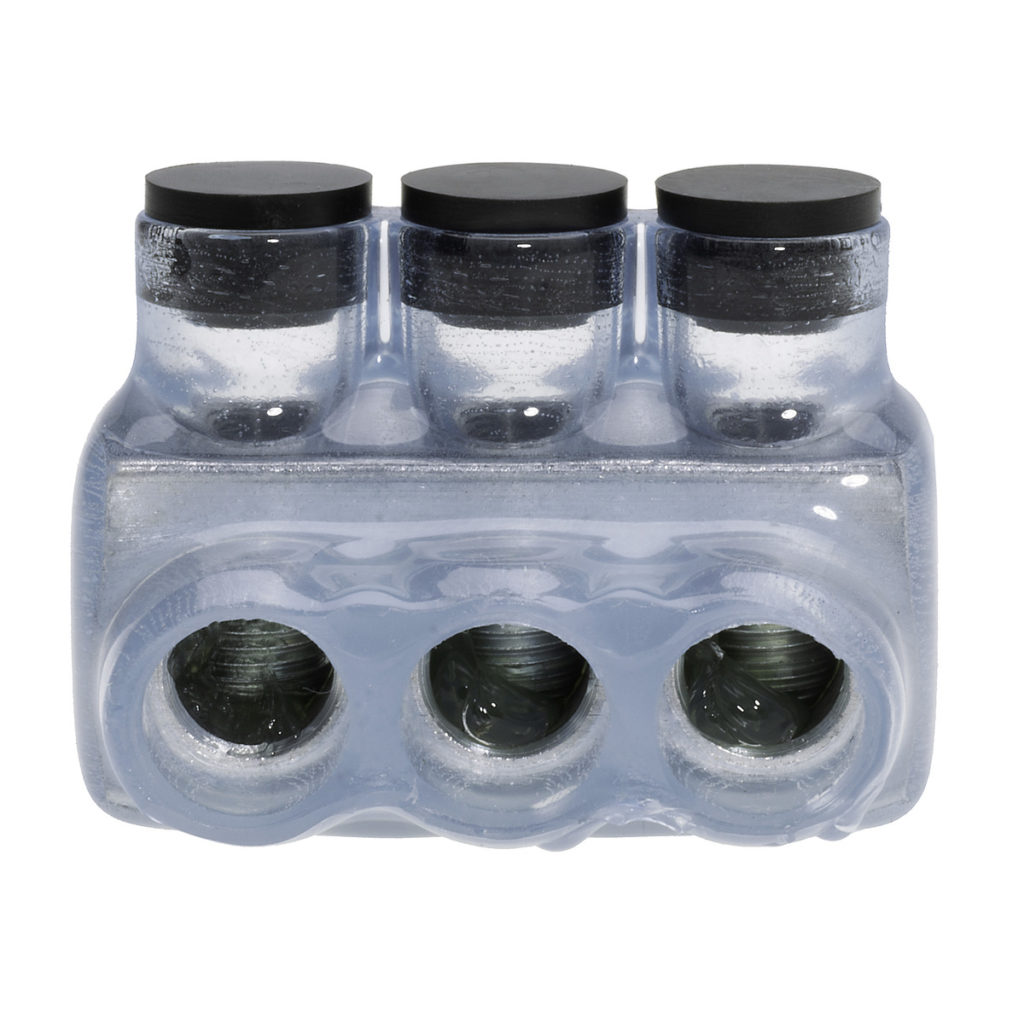
The fundamental design of a pre-insulated connector is a masterclass in mechanical simplicity. Each unit features a high-conductivity metal body—usually aluminum or copper alloy—housed within a protective, rugged insulation layer. The body contains multiple ports, each equipped with a pressure screw. To complete a splice, an electrician simply strips the insulation from the conductor, inserts it into the port, and tightens the screw to create a low-resistance, high-strength bond. Any unused ports are then sealed with proprietary plugs to maintain the integrity of the insulation.
The versatility of this design is what makes it a staple for modern electricians. Polaris connectors, for instance, offer a robust portfolio that spans 2 to 12 wire ports, accommodating wire sizes from #14 AWG up to a massive 750 KCMIL. With configurations including inline, single-side, and dual-side entry, these components are engineered to fit the physical constraints of any junction box, raceway, or cable tray.
A Chronological Perspective: 35 Years of Innovation
To understand the current state of electrical connection technology, one must look back at the industry’s trajectory over the last four decades. Prior to the introduction of modern pre-insulated connectors, electricians relied on traditional splicing methods that were labor-intensive and prone to human error. These older methods often required manual taping, heat-shrink tubing, or specialized mechanical lugs that were not always suited for the environmental stresses of the job site.
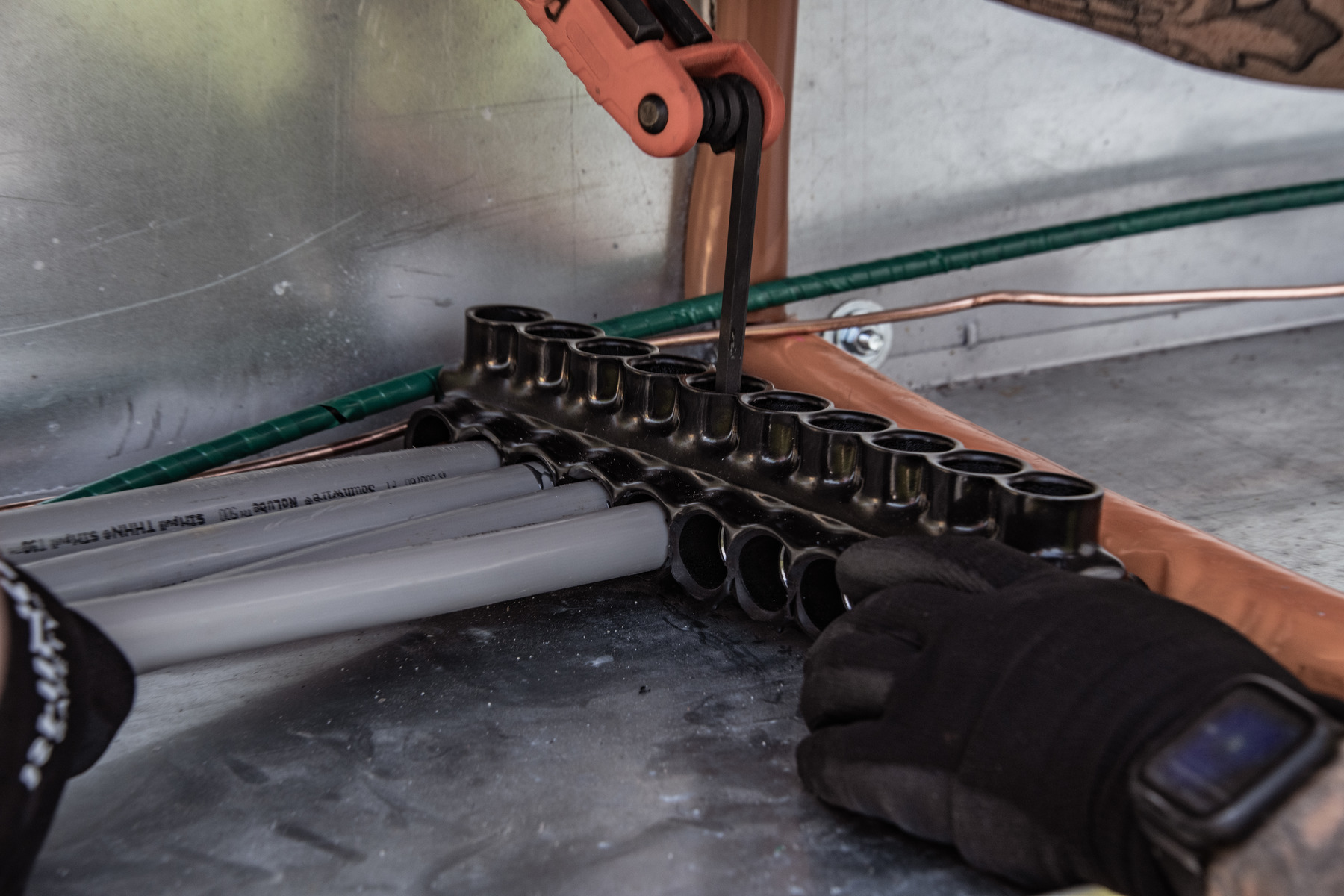
The arrival of the pre-insulated connector changed the landscape. By integrating the insulation directly into the connector body, manufacturers eliminated the need for secondary covering. This was not merely a convenience upgrade; it was a fundamental shift in safety and productivity. Over the last 35 years, the technology has been refined to include enhanced UV resistance, chemical-resistant polymers, and specialized designs for fine-stranded wires, such as the Polaris Grey series. What began as a simple splicing tool has evolved into a sophisticated engineering solution that keeps pace with modern electrical code requirements and the increasing demand for high-amperage power distribution.
Supporting Data: Why "All-In-One" Wins
The transition to pre-insulated connectors is supported by compelling operational data regarding labor costs and installation speed. When compared to legacy splicing methods, pre-insulated connectors offer two distinct advantages:
- Time Efficiency: By removing the requirement for additional taping or external insulating covers, electricians can reduce installation time per splice by significant margins. In large-scale industrial projects, where hundreds of connections may be required, this translates to dozens of hours of saved labor.
- Ergonomics and Safety: Manual labor in cramped raceways or overhead cable trays is physically demanding. The ergonomic, rounded design of pre-insulated connectors is specifically engineered to minimize hand fatigue and prevent snagging, allowing for smoother installations in tight spaces.
Furthermore, the environmental shielding provided by these connectors is critical. Every port—including the access point for the pressure screw—is sealed against moisture, dust, and conductive debris. This environmental protection extends the life of the connection, preventing the corrosion and arcing that can plague improperly sealed splices in damp or harsh industrial environments. Certain models are even rated for direct burial or temporary submersion, providing a level of durability that traditional, hand-wrapped splices cannot match.
Official Perspectives: The Value of American Manufacturing
In an era where supply chain volatility can derail project timelines, the source of electrical components has become as important as their design. Polaris has maintained a commitment to domestic production, manufacturing their connectors in the United States.
"We know electrical connectors because we pioneered the technology," says a representative from the brand. "By keeping manufacturing local, we ensure that every unit meets the highest possible standards for material quality and structural integrity. It also allows us to maintain shorter lead times, ensuring that contractors have the parts they need exactly when they need them, rather than waiting on international shipping lanes."
The reputation of the original innovator carries significant weight in the industry. For contractors, using a trusted, high-quality brand is a form of risk mitigation. When a connector fails, the resulting downtime can cost thousands of dollars; therefore, the industry continues to gravitate toward the brand most requested by name. Polaris’s ability to offer custom manufacturing for unique, one-off project requirements further cements its position as a strategic partner to electrical engineers and master electricians alike.
Implications: The Future of Electrical Connectivity
As electrical codes become more stringent and the focus on workplace safety intensifies, the role of high-performance connectors will only grow. The trend toward modularity in construction—where large sections of electrical infrastructure are pre-fabricated off-site—demands components that are standardized, reliable, and easy to install.
The implications for the modern electrical contractor are clear: standardized, high-quality components are no longer optional. They are the baseline for professional operations. By adopting pre-insulated connectors that offer UV resistance, chemical durability, and specialized port configurations, contractors are not just completing a circuit; they are investing in the long-term reliability of their client’s infrastructure.
Looking ahead, the integration of smart monitoring and the continued rise of renewable energy systems—which often require complex splicing of various wire types—will place new demands on connector technology. If the history of the last 35 years is any indicator, the industry will continue to look toward the original innovators to solve these challenges.
Whether working on a simple residential panel upgrade or a complex industrial power distribution array, the principles remain the same: choose the right tool for the job, prioritize efficiency, and never compromise on the quality of the connection. For those who understand the value of time and the cost of a failed connection, the choice of the original pre-insulated connector remains the industry standard for a reason.
For those interested in exploring the specific technical specifications of these components or seeking to standardize their inventory, a comprehensive portfolio of connectors is available to meet the needs of any project size. Click here to view the full range of Polaris products and ensure that your next installation is as efficient and reliable as possible.