






The silent hum of satellites orbiting our planet has become the unseen backbone of modern civilization. From dictating when farmers plant their crops to guiding the planes that ferry us across continents and ensuring the timely arrival of goods on supermarket shelves, our daily lives are profoundly intertwined with data transmitted from space. Yet, as the global space economy hurtles towards an unprecedented valuation, a critical vulnerability is being dangerously overlooked: the growing reliance on these third-party space assets and their susceptibility to devastating cyber attacks.
The Growing Dependence: A Digital Lifeline in Orbit
While many envision space technology as the realm of weather forecasts and GPS navigation on our smartphones, the reality is far more pervasive. Satellites are indispensable for a vast array of terrestrial operations. They are the silent orchestrators of global agriculture, providing critical data for yield optimization and resource management. International aviation relies on precise satellite-based navigation systems to maintain safety and efficiency across flight paths. The intricate dance of global supply chains, from tracking shipments to managing inventory, is heavily dependent on timely and accurate data relayed from orbit. In essence, a vast, invisible digital thread, woven from satellite signals, holds modern society together.
This growing dependence, however, has created a significant blind spot in the executive boardrooms of organizations worldwide. The burgeoning space economy, projected to reach a staggering $1.01 trillion valuation by 2034, is experiencing a growth phase that dangerously outpaces its security considerations. Cyber threats targeting orbital infrastructure are no longer theoretical possibilities; they are an escalating reality, posing a profound risk to national security and global economic stability.
Privatization’s Double-Edged Sword: Speed vs. Security
Historically, the dominion of space was exclusively reserved for governments, operating within highly controlled, air-gapped environments with an almost absolute intolerance for risk. This paradigm has dramatically shifted with the rapid commercialization of space. While the plummeting costs of launches have democratized access to orbit and spurred innovation, this speed to market has come at a significant cost to security. Commercial operators, in their haste to innovate and capture market share, are increasingly inheriting the same vulnerabilities that plague traditional enterprise IT systems. This includes complex and often opaque supply chain risks, unpatched Application Programming Interfaces (APIs) that act as potential entry points for attackers, and significant gaps in the security of operational technology (OT) that governs satellite functions.
This systemic disconnect is stark and alarming. Organizations are entrusting critical, life-sustaining functions to a rapidly evolving commercial space sector that, in many instances, has not adequately prioritized security by design. The inherent complexities of these interconnected systems, coupled with the increasing sophistication of threat actors, create a fertile ground for potentially catastrophic disruptions.
The Earthly Repercussions: When Orbital Breaches Hit Home
The consequences of a successful cyber attack on orbital assets extend far beyond the digital realm, manifesting in immediate and tangible physical impacts on Earth. Unlike conventional corporate data breaches, which often result in financial losses and reputational damage, tampering with satellite telemetry can have devastating real-world effects. Imagine the disruption caused by the alteration of planting schedules for vital crops, leading to regional food shortages. Envision the paralysis of commercial aviation as flight navigation networks are fed false data, jeopardizing thousands of lives and grounding global travel.
Crucially, the threat is not confined to the satellites themselves. The terrestrial infrastructure that supports these orbital assets has also become a prime target for cyber-physical attacks. Ground-based power substations, telemetry command hubs, and downlink facility infrastructure are all critical nodes in the space communication network. A coordinated cyber attack on the local energy substations that power these ground operations could effectively sever vital communication links and cripple satellite control, achieving the same disruptive outcome as a direct in-orbit compromise.
The potential economic fallout of such an event is staggering. A study commissioned by the European Space Agency (ESA) meticulously modeled the impact of a hypothetical 7-day satellite communications outage across ESA member states and Canada. The findings paint a grim picture, with potential total economic losses reaching an estimated €20 billion (approximately $21.8 billion USD). This colossal figure is broken down into severe disruptions across multiple sectors: €19 billion in maritime logistics and port bottlenecks, indicating the crippling effect on global trade; €558 million in direct aviation losses, projecting the cancellation of around 4,000 transatlantic flights; €352 million in lost connectivity for emergency services and remote communities, highlighting the impact on public safety and essential services; and €89.8 million from stalled offshore energy operations, underscoring the disruption to critical energy infrastructure.
An Aging Infrastructure Facing Advanced Adversaries
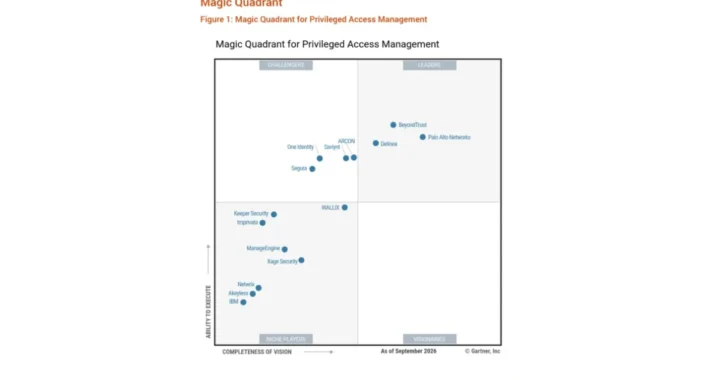
Adding another layer of vulnerability is the inherent challenge posed by aging space technology. Geostationary satellites, which are crucial for broadcasting and telecommunications, often have mission lifespans of 10 to 15 years. This means that critical communications infrastructure is locked into legacy hardware that was designed and deployed long before the emergence of sophisticated modern cyber threats. This technological inertia creates significant security gaps that are being actively exploited by a range of advanced threat actors, including nation-states and sophisticated cybercriminal organizations. Palo Alto Networks’ Unit 42 threat intelligence division is currently tracking multiple state-sponsored groups that are actively targeting systems within the space sector, indicating a clear and present danger.
The Imperative for Action: What Leaders Must Do Now
The growing reliance on space-based assets, coupled with the escalating threat landscape, necessitates an urgent and decisive response from governments and enterprise leadership. It is no longer tenable to view space-based timing, navigation, and observation data as anything less than core national critical infrastructure. Leaders across all sectors must acknowledge this paradigm shift and prioritize the following four immediate actions:
- Conduct Comprehensive Risk Assessments: Organizations must move beyond superficial analyses and undertake deep, detailed risk assessments of their end-to-end reliance on space-based services. This includes understanding the specific satellites and ground infrastructure involved, the data flows, and the potential consequences of disruption at each stage.
- Develop Robust Incident Response and Recovery Plans: In the event of a cyber attack, swift and effective response is paramount. Organizations need well-rehearsed incident response plans that specifically address scenarios involving space asset compromise. These plans must include clear communication protocols, defined roles and responsibilities, and detailed recovery procedures to minimize downtime and impact.
- Enhance Supply Chain Security and Resilience: The space ecosystem is inherently complex and relies on a global supply chain. Organizations must rigorously vet their third-party space providers, demanding transparency and adherence to stringent security standards. This includes ensuring the security of hardware manufacturing, software development, and data transmission pathways throughout the entire supply chain.
- Invest in Cyber Security Expertise and Technologies: A critical shortage of specialized cybersecurity expertise exists within the space sector. Governments and organizations must invest in training and attracting talent with the skills necessary to defend against advanced cyber threats targeting space systems. Furthermore, investing in cutting-edge cybersecurity technologies, such as advanced threat detection, anomaly monitoring, and secure communication protocols, is essential.
Translating these action items into tangible, real-world operational resilience requires a fundamental shift away from static compliance policies. The complex ecosystems that underpin our reliance on space – encompassing ground stations, power substations, cloud environments, and orbital data streams – demand a unified, platformized approach to security. This approach must provide continuous, end-to-end visibility across every single link in the space supply chain, enabling proactive threat detection and rapid response.
In the increasingly interconnected and volatile landscape of the 21st century, business resilience, national sovereignty, and the security of our space assets are inextricably linked. The time for complacency is over. Leaders must look up, beyond the immediate horizon, and proactively address the invisible threats lurking in orbit before a catastrophic cyber attack brings our ground operations to a complete standstill. The future of our interconnected world depends on it.