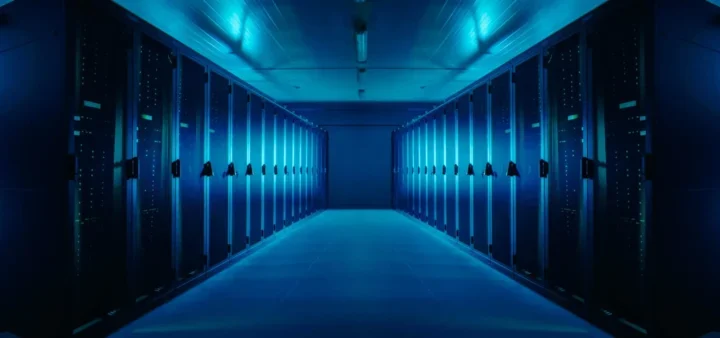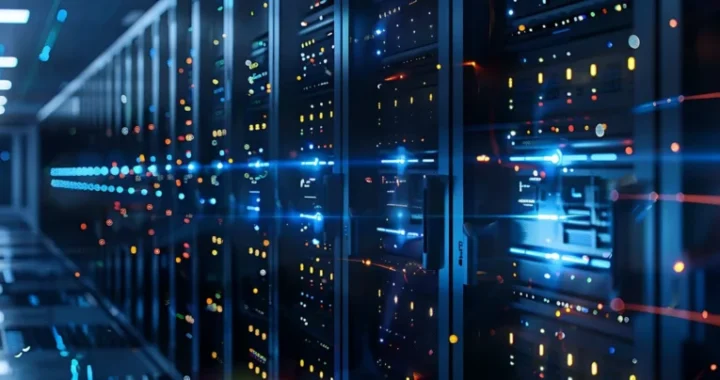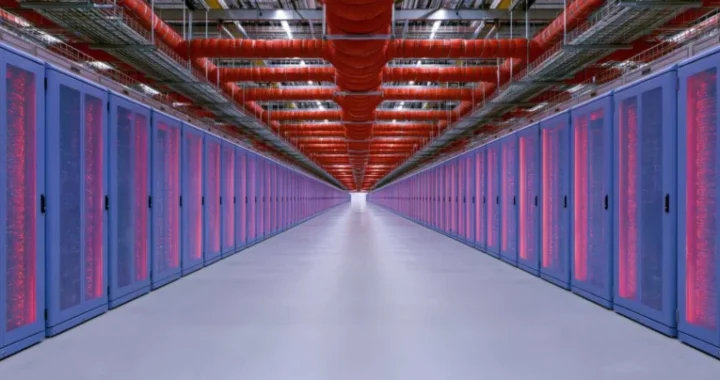



The global digital economy is currently undergoing a structural transformation more significant than the transition to cloud computing. As Artificial Intelligence (AI) and Machine Learning (ML) workloads move from experimental sandboxes to the backbone of enterprise operations, the physical infrastructure supporting them—the data center—is being pushed to its breaking point.
Amidst this volatility, the Telecommunications Industry Association (TIA) is reinforcing the bedrock of digital stability. In a recent dialogue between Michelle Kang, TIA Chair and newly appointed TIA Board Member, and Tom McGarry, VP of Standards at the TIA, the organization unveiled its roadmap for the evolution of the TIA-942 standard. Originally established to bring order to a nascent data center industry, the standard is now being pivoted to address the hyper-density, power, and thermal challenges posed by the AI revolution.
The Foundations of Trust: A Chronology of TIA-942
To understand the future of data center standards, one must appreciate their history. The TIA-942 standard was first published in 2005, a period defined by the initial explosion of large-scale, internet-connected facilities. Before its inception, data center design was largely proprietary and fragmented, leading to inconsistent reliability metrics that haunted CIOs and facility managers alike.
Key Milestones in the TIA-942 Journey:
- 2005: The initial publication of TIA-942, establishing the first standardized framework for data center design and reliability.
- The ANSI Consensus Era: By operating as an American National Standards Institute (ANSI)-accredited, voluntary consensus standard, TIA-942 avoided the pitfalls of vendor lock-in. It became a global benchmark by leveraging broad, multi-stakeholder participation.
- Global Expansion: Over the past two decades, the standard has been adopted across more than 60 countries.
- The AI Pivot (Present Day): Recognizing that AI-driven infrastructure requires a departure from traditional CPU-heavy architectures, the TIA has commenced the development of an AI-focused addendum to the current standard.
The Anatomy of the Modern Data Center
Tom McGarry, who brings decades of experience from his tenure at Verizon and Neustar to his role at the TIA, emphasizes that the taxonomy of data centers has evolved.
"Until recently, we categorized data centers into two distinct buckets: traditional facilities, such as colocation and hyperscale sites, and the emerging class of edge or modular data centers designed for low-latency delivery," McGarry explains. "However, AI has forced the industry to define a third, distinct category: the AI-focused data center."
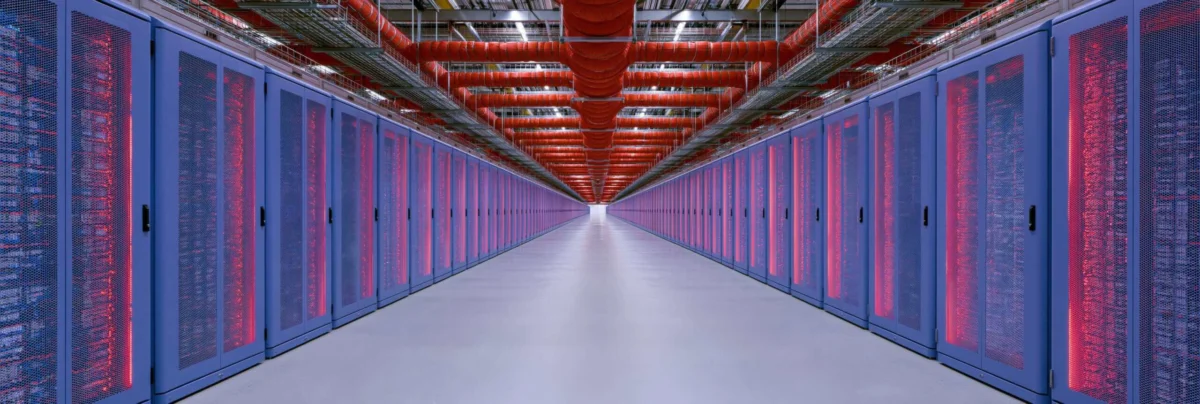
These AI-centric facilities are not merely "bigger" versions of their predecessors; they are fundamentally different. Where traditional data centers were optimized for compute-to-storage ratios that favored steady-state workloads, AI data centers are built to support massive GPU clusters. These clusters demand unprecedented power densities and thermal management strategies that defy conventional architectural blueprints.
The Rating System: Defining Reliability in a High-Stakes World
The TIA-942 rating system remains the industry’s most trusted barometer for uptime and resilience. The standard classifies data centers into four levels, each defining specific performance and redundancy benchmarks:
- Level 1 (Basic): Provides minimal capacity and single-path infrastructure for power and cooling.
- Level 2 (Redundant Capacity): Adds redundant capacity components, such as UPS systems and cooling units, to enhance uptime.
- Level 3 (Concurrently Maintainable): The most common target for enterprise operators. This level ensures that any component can be removed or replaced without shutting down the facility.
- Level 4 (Fault Tolerant): The gold standard for mission-critical operations, designed to withstand any single equipment failure without impacting the IT load.
"Most modern operators are aiming for Level 3 or Level 4 certification," McGarry notes. "In an era where a few minutes of downtime can translate into millions of dollars in lost revenue and reputational damage, these levels provide the necessary assurance for hyperscale and enterprise customers."
Certification: The Gold Standard of Independent Validation
The TIA-942 certification program is not a self-assessment; it is an rigorous, independent audit. To ensure objectivity, the TIA utilizes a network of independent certification bodies. Crucially, these bodies are strictly prohibited from offering consulting services to the facilities they certify.
The scale of this program is vast: currently, there are eight accredited global certification bodies overseeing operations in over 800 data centers across 60+ countries. With over 1,000 certification activities on the books, the TIA has effectively created a global language for reliability.
"Certification is no longer just a marketing differentiator; it is increasingly a regulatory requirement," says McGarry. "Many governments are now mandating third-party validation for facilities handling sensitive public sector or critical national infrastructure workloads."
The AI Imperative: Reimagining Infrastructure
The integration of AI workloads into the data center stack is the most significant disruption in the history of the TIA-942 standard. AI’s reliance on high-performance GPUs introduces a paradigm shift in resource consumption.
The Technical Challenges of AI:
- Extreme Power Density: AI servers draw significantly more wattage per rack than standard enterprise servers.
- Thermal Management: The heat generated by high-density GPU stacks necessitates advanced cooling solutions, including liquid cooling and direct-to-chip technologies, which were not standard in the 2005 iteration of the guidelines.
- Redundancy Under Stress: Maintaining high availability while managing the thermal and power demands of AI presents a "Goldilocks" problem: the cooling must be robust enough to handle spikes without causing a catastrophic failure of the cooling infrastructure itself.
The forthcoming AI-focused addendum to TIA-942 will provide the industry with a standardized playbook to navigate these challenges. By updating the criteria for power distribution and heat dissipation, the TIA aims to ensure that AI-ready data centers do not sacrifice reliability for performance.
Beyond Infrastructure: Introducing DCE 9000
As the TIA looks to the future, it is expanding its scope beyond physical infrastructure to include operational excellence. The organization is currently advancing DCE 9000, a quality management system specifically tailored for data center operators and their supply chains.
"DCE 9000 is designed to complement TIA-942," McGarry explains. "While TIA-942 addresses the hardware and design, DCE 9000 addresses the processes, risk management, and the ‘human’ side of operations. It is about building a culture of continuous improvement that matches the performance of the physical facility."
The Call to Action: Industry Collaboration
The TIA recognizes that no single entity can solve the complexities of AI-era infrastructure. The organization is actively calling for participation from across the ecosystem—including hardware manufacturers, power utility providers, cooling experts, and hyperscale operators.
"Broad industry engagement is the only way to ensure that our standards reflect the reality of the field," McGarry says. "We need the engineers, the architects, and the operators to sit at the table."
How to Get Involved:
- Join the TR-42 Committee: The primary body overseeing the evolution of TIA-942.
- TIA Membership: Gain access to technical working groups and contribute to the development of future-facing standards.
- Engagement: For those interested in shaping the next chapter of data center standards, the TIA invites inquiries at [email protected].
Conclusion: A Future Built on Standards
As the world hurtles toward a future dominated by AI, the risks associated with infrastructure failure have never been higher. By evolving TIA-942 and introducing holistic frameworks like DCE 9000, the TIA is ensuring that the digital foundations of our society remain resilient, scalable, and trustworthy. Through the marriage of rigorous physical standards and agile, process-driven operational excellence, the TIA is not just keeping pace with the industry—it is defining the architecture of the next generation of computing.