






In a legal decision that could have far-reaching implications for the construction and insurance industries, a Delaware Superior Court judge has ruled that AIG-affiliated insurers cannot claw back $50 million in settlement payouts from Turner Construction. The funds were originally paid to New York University’s (NYU) Langone Medical Center following the catastrophic flooding caused by Superstorm Sandy in October 2012.
The ruling, issued earlier this month, serves as a major victory for Turner Construction, which has spent nearly a decade embroiled in litigation regarding the disaster. The decision hinges on the fundamental principles of contract law, specifically the limitations of an insurer’s right to seek recoupment when such rights are not explicitly delineated within the policy language.
The Genesis of the Dispute: Superstorm Sandy
When Superstorm Sandy made landfall in October 2012, it battered New York City with a ferocity that defied historical precedents. The storm surge pushed unprecedented volumes of water into Manhattan’s low-lying areas, overwhelming critical infrastructure. Among the most severely impacted sites was NYU Langone Medical Center.
At the time, Turner Construction was actively engaged in a major project on the medical campus, which included the development of an energy building featuring a state-of-the-art cogeneration plant, a stand-by boiler system, and emergency power infrastructure. As part of an owner-controlled insurance program (OCIP), Turner and the project were covered by two affiliates of AIG.
During the height of the storm, floodwaters breached the medical center’s basement, cascading through subterranean tunnels and spreading into multiple buildings across the campus. The flooding caused catastrophic damage to the hospital’s electrical and mechanical systems, forcing a harrowing, full-scale evacuation of patients and leaving large sections of the campus without power for an extended period.
A Decade of Litigation: A Chronology
The legal battle that followed the storm has been defined by its complexity, length, and the high stakes involved.
- 2012–2015: Following the disaster, NYU Langone undertook a massive recovery and reconstruction effort. While the hospital continued to work with Turner Construction on various projects for several years, the underlying tension regarding the cause of the flooding remained unresolved.
- 2015: Nearing the expiration of the statute of limitations, NYU filed a massive lawsuit in New York state court against Turner Construction. The suit alleged negligence, breach of contract, and significant business interruption, ultimately seeking $2.2 billion in damages.
- 2015–2022: The litigation entered a protracted pre-trial phase. During this period, the hospital and its insurers engaged in extensive mediation. NYU remained firm in its demand that the insurers pay the full limit of their coverage, which totaled $516 million.
- 2022: As the trial date approached, the parties reached a pivotal juncture. The AIG-affiliated insurers agreed to a settlement, paying $25 million each—a total of $50 million—to the hospital.
- Post-Settlement: Immediately following the payout, the insurers declared their intent to recoup that $50 million from Turner Construction. They cited specific policy clauses, including a "non-accumulation of limits endorsement" and an "anti-stacking endorsement," as the basis for the clawback.
- 2023–2024: Turner Construction preemptively sued the insurers in Delaware Superior Court, alleging breach of contract. The insurers countersued, arguing that the right to recoupment was implied, even if not explicitly stated in the insurance policies.
The Core Legal Conflict: The Limits of Recoupment
The crux of the recent Delaware ruling lies in the interpretation of the insurance contract. Turner Construction’s legal team argued that the policies in question were entirely silent on the matter of recoupment. They asserted that an insurer cannot unilaterally invent a right to recover settled funds from a third party after the fact, especially when the insurance contract lacks an express provision authorizing such an action.
The insurers, conversely, maintained that their voluntary settlement with NYU was an act of coverage that they were entitled to recover under the broader umbrella of their contractual relationship with the project. They argued that the "non-accumulation" and "anti-stacking" clauses were intended to prevent the very scenario of double-dipping or over-compensation that they claimed occurred during the settlement.
In a split decision on a motion for summary judgment, the Delaware Superior Court judge sided with Turner. The court reasoned that under the governing principles of New York law—which the court determined would likely be applied—an insurer cannot force the repayment of costs unless that right is clearly and specifically outlined within the policy document. By failing to include a recoupment clause, the insurers effectively waived their right to seek those funds from the contractor after a voluntary settlement.
Supporting Data and Technical Context
The scale of the dispute is a testament to the immense financial risk inherent in large-scale urban infrastructure projects. The $516 million coverage limit mentioned by NYU highlights the reliance hospitals place on robust insurance programs when constructing critical energy plants.
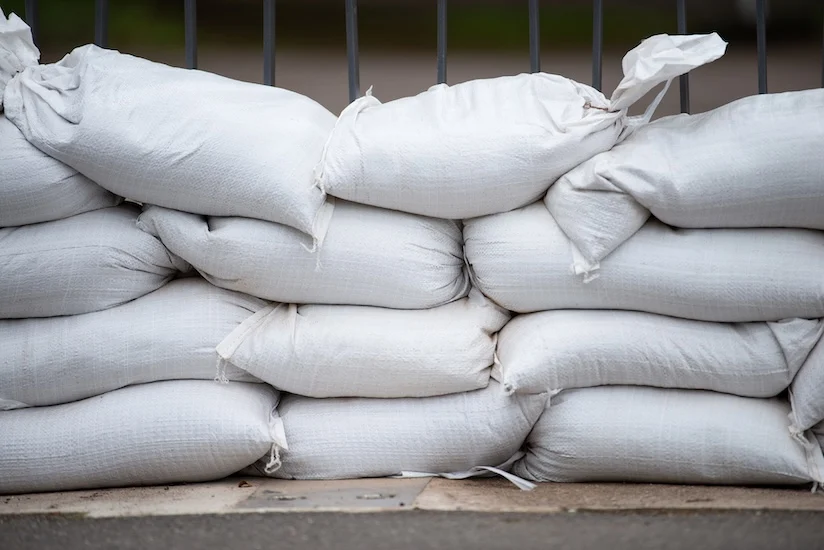
The dispute over the "airway opening" is particularly illustrative of the granular level of forensic investigation that occurred during discovery. NYU alleged that they had provided explicit instructions to Turner to reinforce a specific airway opening that was vulnerable to flooding, suggesting that sandbags and plastic sheeting were insufficient. Turner, however, has consistently denied these claims, asserting that their site preparation met the necessary standards for the conditions predicted at the time.
The Delaware court’s ruling specifically noted that these underlying allegations regarding site safety and negligence remain unproven. There has been no formal judicial finding of fact or liability regarding the storm’s damage, a point that Turner has emphasized in its public statements.
Official Responses and Corporate Stance
Following the ruling, Turner Construction released a statement emphasizing that the court’s decision was a validation of their position that no contractual basis existed for the insurers’ demand.
"We appreciate the court’s careful consideration of the issues," a company representative stated. "The underlying dispute with NYU regarding the events leading up to the storm does not represent findings by the court, and there was never a determination of the facts or liability. We will continue to protect Turner’s rights as the remaining aspects of the case proceed."
The insurers have not yet indicated whether they intend to appeal the decision, but legal analysts suggest that the ruling sets a significant precedent. It serves as a stark reminder to insurance providers that the language used in project-specific insurance programs must be exhaustive and explicit if they intend to preserve the right to recoupment after settling claims.
Implications for the Construction Industry
This case carries profound implications for stakeholders in the construction and insurance sectors:
- Contractual Precision: The ruling underscores the critical importance of policy drafting. Insurers can no longer assume that the courts will imply a right to recoupment based on general fairness or policy intent if the document is silent.
- Risk Allocation: For contractors like Turner, this decision provides a layer of security against "surprise" claims from their own insurers. It prevents a scenario where an insurer can effectively outsource the cost of a settlement to the contractor without having proven the contractor’s liability in a court of law.
- Future Litigation Strategies: The fact that the insurers were unable to claw back the money may embolden other contractors to challenge similar recovery attempts by insurers in future major loss events.
- The "Voluntary" Nature of Settlements: The court’s decision highlights the risks inherent in voluntary settlements. By settling the case with NYU, the insurers arguably limited their ability to later argue that the payment was made under duress or as a result of a specific liability that could be passed on to the contractor.
As the industry continues to grapple with the challenges of climate change and the increasing frequency of extreme weather events, the legal frameworks governing insurance and construction liability will remain under intense scrutiny. The Delaware Superior Court’s decision ensures that for now, the final word in this decade-long saga belongs to the contractor, reinforcing the necessity of clear, well-defined contractual obligations in the face of billion-dollar disasters.