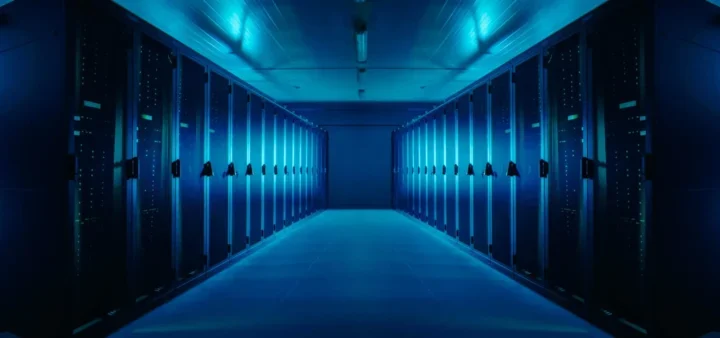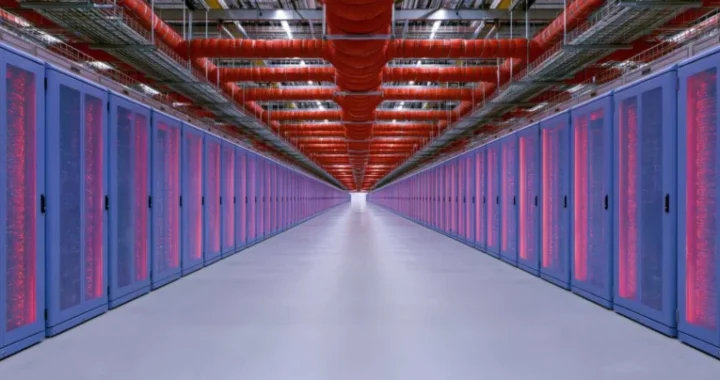





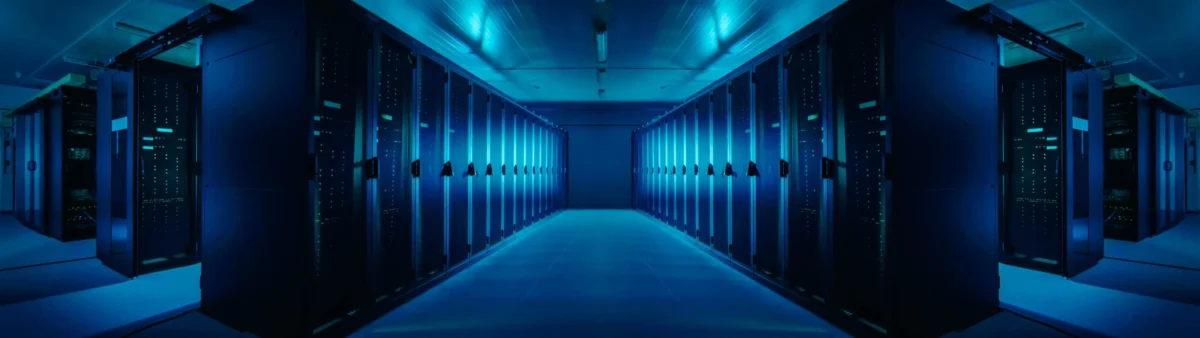
In the modern digital economy, the phrase "the cloud" is a misnomer that hides a physical reality of staggering complexity. From the generative AI models reshaping the workforce to the streaming services powering global entertainment and the enterprise applications that anchor the global financial system, the modern economy is entirely dependent on the physical integrity of the data center. As digital demand scales at an unprecedented rate, the margin for error has evaporated. Infrastructure reliability, resilience, performance, and efficiency are no longer just operational goals; they are mission-critical requirements for business survival.
To meet these demands, the Telecommunications Industry Association (TIA) has established a dual-pronged approach to infrastructure integrity. By leveraging two distinct but complementary frameworks—ANSI/TIA-942 for facility design and DCE 9000 for the infrastructure supply chain—the industry is moving toward a future of predictable, scalable, and resilient data center operations.
I. The Main Facts: Defining the New Standard of Reliability
At the heart of the data center evolution lies a fundamental shift from bespoke, proprietary design methods to standardized, globally recognized engineering frameworks.
ANSI/TIA-942: The Blueprint for Design
ANSI/TIA-942 is the global gold standard for data center design and implementation. Developed by the TIA’s TR-42 engineering committee, this standard provides a comprehensive roadmap for the entire lifecycle of a facility. It covers every critical system, including architectural layout, power distribution, cooling, fire suppression, security, and telecommunications. Its most notable contribution is the "Rating System," which classifies facilities from Rated 1 (basic) to Rated 4 (fault-tolerant).
DCE 9000: The Quality Revolution
While TIA-942 governs the building, the Data Center Excellence Quality Standard (DCE 9000) governs the components. As the industry faces a supply chain crisis characterized by rapid construction cycles and the need for hyper-scale deployment, quality consistency has become a primary bottleneck. DCE 9000 acts as a global quality management system (QMS) for the manufacturers of power distribution units, cooling systems, and critical infrastructure components, ensuring that the "atoms" of the digital economy are as reliable as the "bits" they support.
II. A Chronology of Data Center Standardization
The transition toward global standardization was not an overnight occurrence but a response to the rapid maturation of the digital landscape.
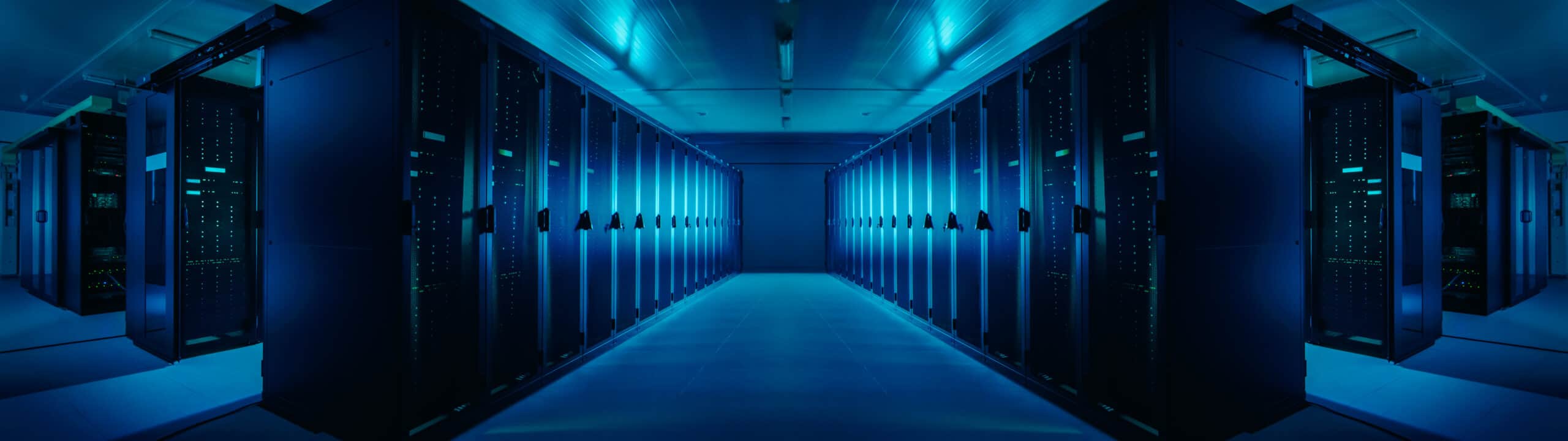
- Pre-2005 (The Era of Silos): Data center design was largely driven by individual corporate specifications. A lack of industry-wide benchmarks led to frequent outages and unpredictable performance, as equipment from different manufacturers often failed to interoperate under stress.
- 2005 (The Birth of TIA-942): The TIA published the first version of the TIA-942 standard, providing the first vendor-neutral, comprehensive set of requirements for data center infrastructure.
- 2010s (Scaling and Density): As cloud computing moved into the mainstream, the "Rating" system of TIA-942 became the standard by which global enterprises evaluated their risk profiles and uptime requirements.
- 2020–2024 (The Supply Chain Crisis): Post-pandemic economic pressures and the massive surge in AI infrastructure needs revealed that design was only half the battle. If a high-end facility was built with components of inconsistent quality, the design integrity was compromised.
- 2025 (The Emergence of DCE 9000): TIA launched the DCE 9000 initiative, adapting the rigor of aerospace (AS 9100) and automotive (IATF 16949) standards to the data center industry to ensure that the infrastructure supply chain could support the coming decade of AI-driven growth.
III. Supporting Data: Why Consistency Matters
The necessity of these standards is backed by the physics of modern compute. Current data centers are facing "Thermal Management Challenges" at an unprecedented scale.
- Rack Density: A decade ago, a standard server rack might require 3–5 kW of power. Today, with the advent of GPU-heavy AI clusters, racks often exceed 30–50 kW. This increase in density creates a exponential rise in heat generation, meaning that cooling and power distribution systems must operate with near-perfect reliability to avoid catastrophic hardware failure.
- Supply Chain Complexity: A typical hyperscale data center involves thousands of suppliers. Without a unified QMS like DCE 9000, each supplier requires unique audit processes. Estimates suggest that implementing a standardized QMS can reduce procurement and qualification cycles by up to 30%, allowing for faster deployment of critical capacity.
- Availability Metrics: The ANSI/TIA-942 Rated 4 standard is designed to support fault-tolerant operations, meaning the facility can withstand any single equipment failure or distribution path interruption without downtime. For mission-critical infrastructure, this translates to 99.995% or higher uptime, a benchmark that is mathematically impossible to achieve without the adherence to the strict design guidelines provided by TIA.
IV. Official Perspectives: The Industry Mandate
Leadership within the TIA emphasizes that these standards are not merely suggestions; they are the bedrock of the global economy.
"The modern digital economy rests upon the foundation of our data centers," notes a TIA spokesperson. "When we discuss uptime, we are really discussing the resilience of the global financial system, healthcare, and critical communications. By aligning the design phase through TIA-942 and the supply chain through DCE 9000, we are creating a continuous chain of quality that eliminates weak links."
Industry analysts have noted that the adoption of DCE 9000 specifically addresses the "Quality Gap." In the past, data center operators often had to perform extensive, redundant testing of equipment upon arrival at a site. By requiring suppliers to hold DCE 9000 certification, the operator can move toward a "Certified Reliable" model, where the equipment’s performance metrics are verified long before it arrives on-site. This shift significantly reduces the "hidden" costs of infrastructure deployment.
V. Implications: The Future of Infrastructure
The implications of these standards for the next decade of digital growth are profound.
Standardizing for AI
AI is fundamentally an infrastructure game. The massive compute requirements of Large Language Models (LLMs) demand a stable, high-density environment that stays online 24/7. As firms race to build data centers, those that adhere to TIA-942 will find it significantly easier to scale their operations globally, as the standard provides a common language for engineers and architects in Tokyo, London, and Virginia.

Reducing "Technical Debt"
In the construction of data centers, "technical debt" occurs when poor-quality components or inefficient designs are implemented to save time. These decisions often lead to higher energy bills, frequent maintenance, and higher total cost of ownership (TCO). The combination of TIA-942 and DCE 9000 acts as a deterrent to this practice. By enforcing a high-level QMS, the industry is effectively raising the floor for all market participants.
Sustainability and Efficiency
Efficiency is a core tenet of both standards. Proper cooling design (TIA-942) and high-quality power components (DCE 9000) directly reduce the Power Usage Effectiveness (PUE) of a data center. In an era where data center energy consumption is under intense regulatory scrutiny, these standards provide a pathway to meeting sustainability goals without sacrificing performance.
Conclusion: A Unified Ecosystem
The synergy between ANSI/TIA-942 and the Data Center Excellence Quality Standard (DCE 9000) represents a maturation of the data center industry. No longer a collection of disparate, custom-built sheds for servers, the data center of the future is a high-precision, industrial-grade facility.
As we look toward an future defined by AI, quantum computing, and universal cloud connectivity, the infrastructure supporting these technologies must be beyond reproach. By bridging the gap between facility design and component manufacturing, the TIA is ensuring that the digital world remains as reliable, resilient, and robust as the physical reality it requires. For operators, investors, and the public alike, these standards provide the necessary assurance that the backbone of the internet is built to last.
For more information on implementing these standards, visit the TIA-942 webpage and the DCE 9000 portal.