




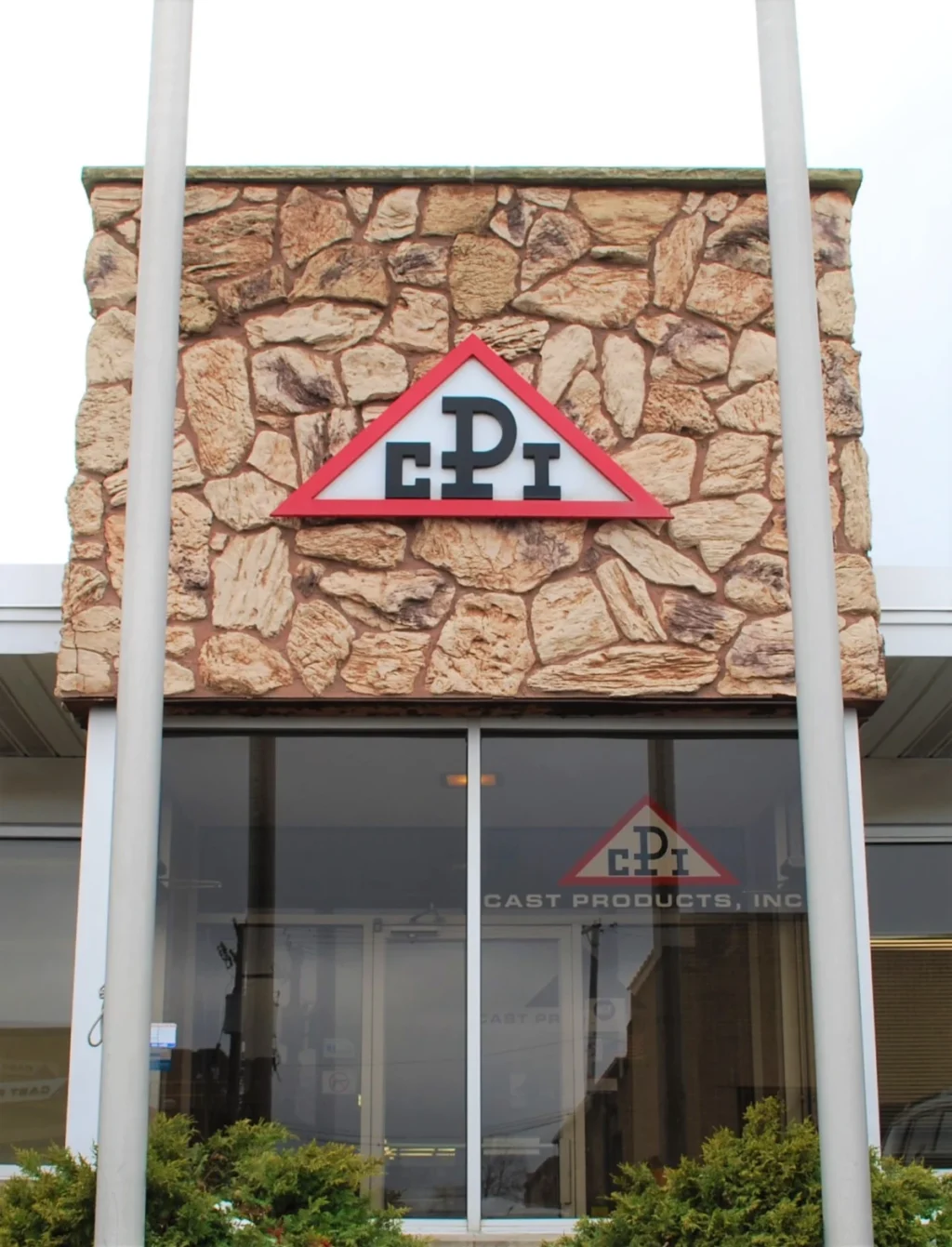
In a strategic move that underscores the ongoing resurgence of domestic manufacturing, NSI Industries has officially announced the acquisition of Norridge, Illinois-based Cast Products Inc. (CPI). This acquisition marks a significant milestone in NSI’s growth strategy, merging decades of specialized zinc die-casting expertise with NSI’s expansive distribution network. By integrating CPI’s high-volume production capabilities, NSI aims to solidify its market dominance in the electrical sector while reinforcing its commitment to "Made in America" manufacturing excellence.
Main Facts: A Synergistic Partnership
The acquisition of Cast Products Inc. is not merely a business transaction; it is a tactical expansion designed to address the increasing demand for high-quality, domestically produced electrical components. CPI, which has served the electrical, industrial, and automotive markets for over half a century, brings a wealth of technical prowess to the NSI portfolio.
At the core of this integration is the enhancement of NSI’s Cable and Conduit Fittings category—already the company’s largest and fastest-growing business segment. By folding CPI’s advanced die-casting facilities into its operational umbrella, NSI effectively boosts its production capacity, ensuring shorter lead times and higher precision for its customer base.
CPI’s reputation is built on its ability to manage the entire lifecycle of a component—from initial design and engineering to tool fabrication and complex secondary processing. Their innovative approach to tooling design allows them to maintain competitive pricing without sacrificing the stringent quality standards required by the electrical industry.
A Legacy of Precision: The Chronology of Cast Products Inc.
To understand the value of this acquisition, one must look at the history of Cast Products Inc. Founded in 1966, the company emerged during a pivotal era for American manufacturing. Over the past 57 years, CPI has successfully navigated the shift from traditional casting methods to the highly automated, technologically driven processes of the 21st century.
- 1966: Cast Products Inc. is founded in Norridge, Illinois, establishing a local footprint for specialized zinc die casting.
- 1970s–1990s: CPI invests heavily in machine technology, establishing itself as a preferred partner for automotive and industrial OEMs requiring high-volume precision parts.
- 2000s: The company pivots toward advanced engineering, implementing CAD/CAM design and refined secondary processing, which allows for complex, high-tolerance electrical fittings.
- 2010s: CPI solidifies its reputation in the electrical sector, becoming a critical supplier of conduit fittings that meet the rigorous demands of modern construction and infrastructure projects.
- 2023: NSI Industries acquires CPI, marking the beginning of a new chapter where CPI’s manufacturing heritage meets NSI’s national distribution scale.
This trajectory reflects a company that has consistently evolved ahead of the curve. By staying anchored in Illinois, CPI has maintained a reliable, domestic supply chain—a factor that has become increasingly critical in the post-pandemic global market.
Supporting Data: Why Zinc Die Casting Matters
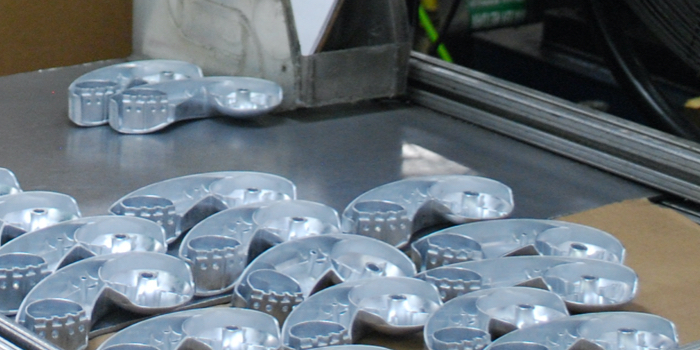
Zinc die casting is the "silent workhorse" of the modern electrical industry. It provides a unique combination of strength, ductility, and dimensional accuracy, making it the ideal material for complex conduit fittings that must withstand harsh environmental conditions.
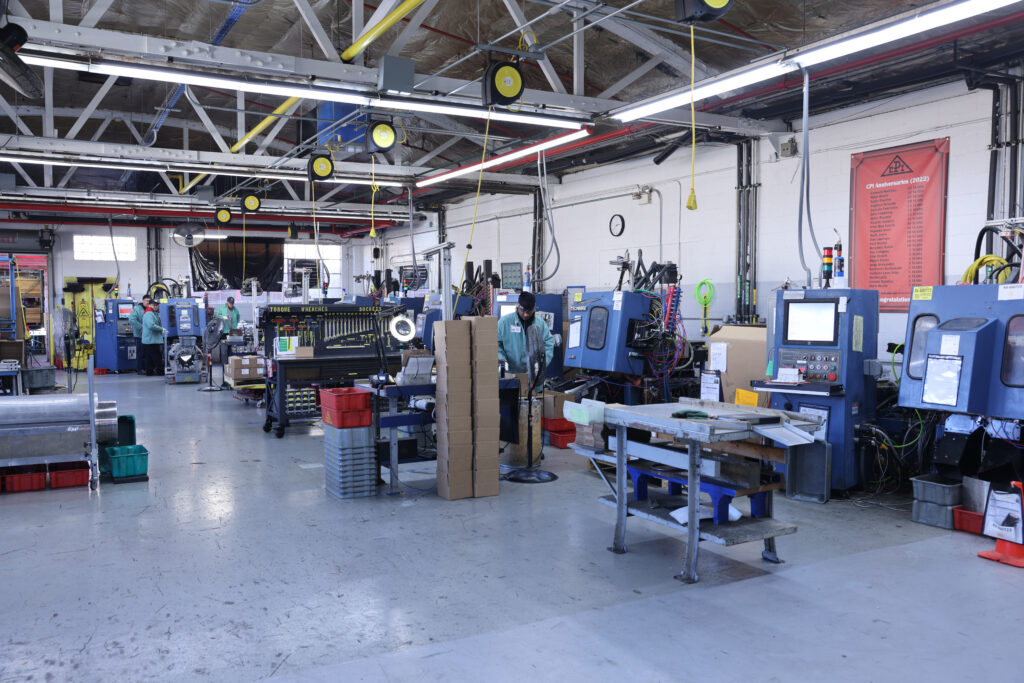
The technical requirements for these components are exacting. Because electrical fittings must provide a perfect seal and mechanical integrity to ensure the safety of building wiring, there is zero room for error. CPI’s facility is equipped with state-of-the-art machinery that allows for:
- High-Tolerance Molding: Advanced die-casting machines ensure that every part meets precise specifications, reducing waste and ensuring compatibility with industry-standard conduits.
- Optimized Tooling Design: By innovating in the mold-making process, CPI achieves faster cycle times, which directly translates to the high-volume throughput needed to support national distributors.
- Secondary Processing: Beyond the cast itself, CPI provides specialized finishing and machining, allowing NSI to offer a "finished-ready" product that requires no additional labor from the electrical installer.
As NSI continues to scale, the data-backed reliability of CPI’s parts will serve as a bedrock for the company’s expansion. The addition of CPI’s production data and quality metrics into the NSI ecosystem ensures that the combined entity remains at the forefront of the Electrical and Conduit Fittings category.
Official Perspectives: The Strategic Vision
For NSI Industries, the acquisition is a reflection of a long-term vision to consolidate the best of American manufacturing. The decision to bring CPI into the fold—alongside existing, trusted brands like Bridgeport and Remke—is calculated.

According to leadership at NSI, the primary goal is to enhance the value proposition for distributors and installers alike. By streamlining the supply chain and keeping manufacturing within U.S. borders, NSI mitigates the risks associated with international shipping delays and geopolitical volatility.
"The integration of CPI is about more than just numbers; it’s about capability," a company spokesperson noted. "When we combine our existing strength in the electrical market with the specific, high-precision technical expertise of CPI, we are creating a powerhouse of domestic production. Our customers, who have come to rely on the quality of our fittings, will see a seamless transition and an even more robust catalog of products designed for the toughest jobs."
The focus remains on the "installer-first" philosophy. NSI has spent decades building trust with the contractors who use their products daily. By bringing a company with 57 years of experience into the family, NSI is signaling that it intends to honor that trust by maintaining, and even improving, the quality of its components.
Implications for the Industry: The Future of U.S. Manufacturing
The acquisition of CPI by NSI Industries has broader implications for the American manufacturing landscape. It demonstrates that domestic production can remain highly competitive when supported by investment in automation, advanced tooling, and smart acquisition strategies.
1. Strengthening the Supply Chain
In an era where "onshoring" is a frequent talking point, NSI is putting it into practice. By controlling the manufacturing process of its zinc die-cast parts, NSI is less vulnerable to the fluctuations of the global supply chain. This stability is a significant advantage for distributors who need reliable inventory to meet project timelines.
2. Industry Consolidation and Brand Synergy
The electrical industry is becoming increasingly characterized by integrated portfolios. By offering a comprehensive suite of products—spanning Bridgeport, Remke, and now the specialized zinc-casting capabilities of CPI—NSI provides a "one-stop-shop" experience for electrical distributors. This consolidation simplifies the procurement process and ensures that all components in a project are held to the same high NSI standard.
3. Innovation in Engineering
CPI’s history of pioneering new approaches to die casting will likely spur further innovation across the broader NSI product line. The cross-pollination of engineering talent between the newly acquired team and NSI’s existing experts is expected to lead to new product developments, potentially moving beyond zinc into other material sciences or advanced design methodologies.
4. Sustaining Skilled Labor
The acquisition also highlights the importance of preserving American skilled labor. CPI’s 57-year history represents a repository of specialized knowledge in die casting and toolmaking. By integrating this team into the NSI family, these vital skills are not only preserved but are positioned for growth and development, ensuring that the next generation of American manufacturing workers has a platform to build upon.
Conclusion: A Future-Proof Strategy
The marriage of NSI Industries and Cast Products Inc. is a textbook example of strategic growth in the industrial sector. By identifying a high-performing, legacy company and integrating it into a larger, more agile distribution framework, NSI has effectively "future-proofed" its cable and conduit fittings business.
As construction projects across the United States grow in complexity and scope, the demand for precision-engineered, durable, and readily available components will only increase. With the addition of CPI, NSI is better positioned than ever to meet this demand. For the contractors in the field, this means that the fittings they rely on will continue to be manufactured with the same, if not greater, level of care and technological precision that has defined both companies for decades.
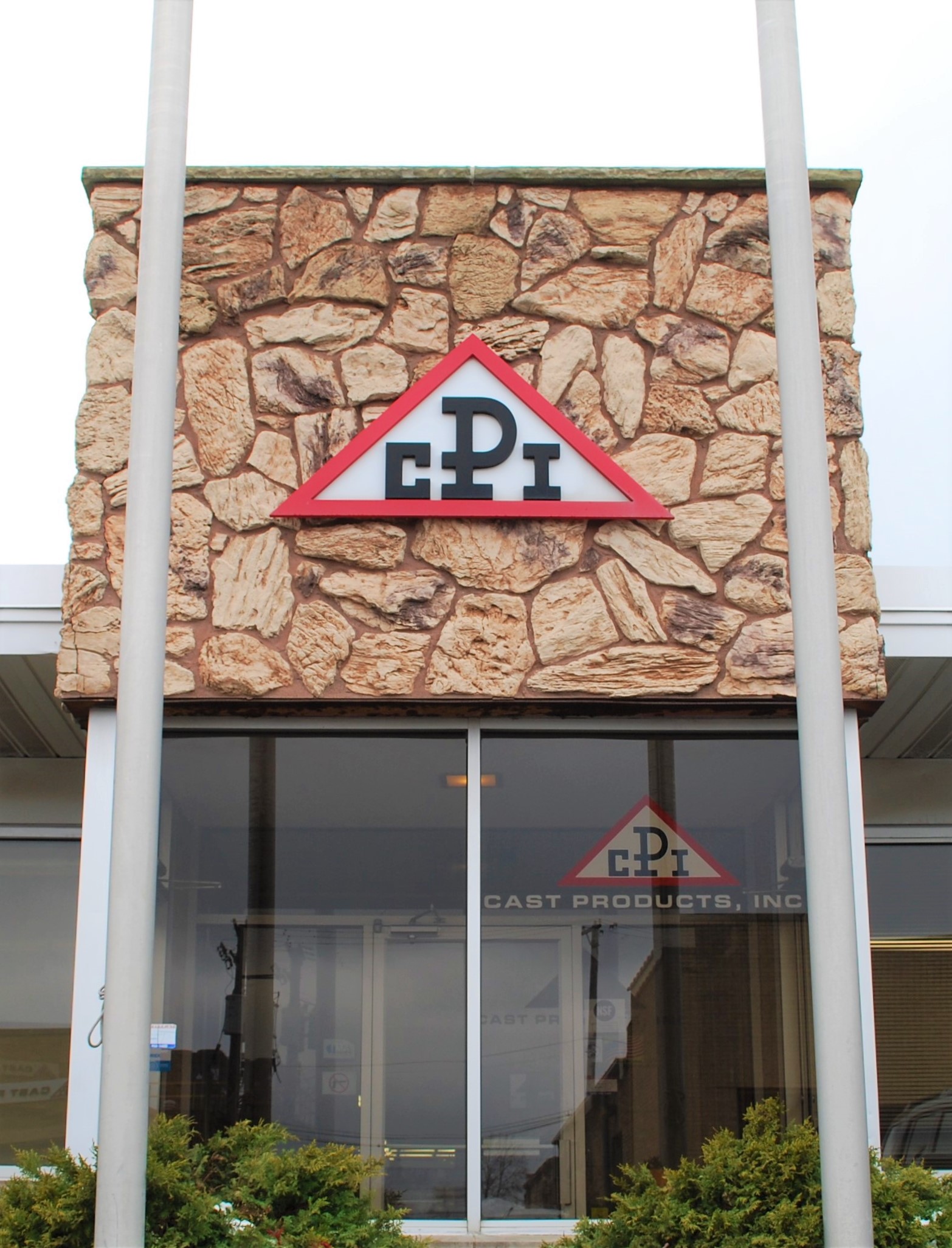
As the industry moves forward, the partnership between NSI and CPI stands as a testament to the fact that when tradition meets modern investment, the result is a stronger, more resilient American manufacturing sector.