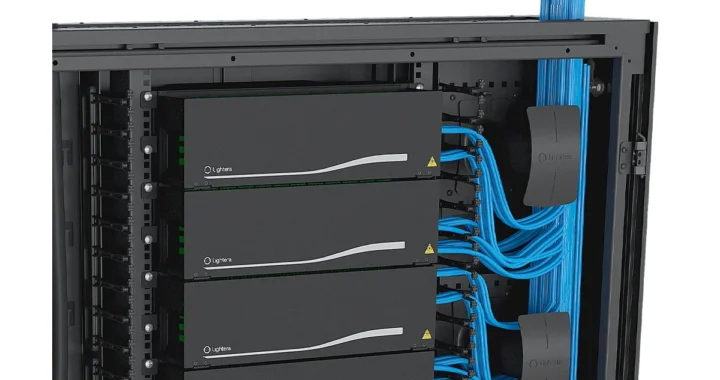








The digital landscape is undergoing a tectonic shift. Driven by the relentless proliferation of artificial intelligence (AI) and the tightening grip of national data sovereignty laws, the global data center industry is currently witnessing a period of unprecedented expansion. As the foundational architecture of the modern economy, data centers have evolved from niche industrial facilities into critical national infrastructure. However, this rapid growth is not without its perils. Developers and investors now face a complex matrix of logistical bottlenecks, regulatory mandates, and a deepening crisis in specialized labor.
Main Facts: The Drivers of Industry Transformation
The current surge in data center construction is defined by a "dual-engine" growth model. On one hand, the computational requirements for Large Language Models (LLMs) and generative AI necessitate a massive scale-up of high-density storage and processing capacity. On the other, the traditional cloud-service market continues to grow, requiring a hybrid approach to capacity management.
Beyond sheer volume, the industry is undergoing a structural realignment. Data localization—the requirement that digital information generated within a nation’s borders must remain there—is forcing a decentralization of the industry. Historically, data centers were clustered in "tier-one" hubs like Northern Virginia, Frankfurt, or Singapore. Today, regulatory pressures are pushing operators into secondary and tertiary markets. While this helps alleviate the strain on localized power grids and water supplies, it introduces a new set of operational complexities regarding supply chain management and technical talent acquisition.
Chronology: The Evolution of the Data Center Lifecycle
The maturation of the data center industry can be mapped through three distinct phases that have defined the current investment environment:
- The Centralization Phase (2010–2018): During this era, the focus was on massive economies of scale. Operators sought to build "hyperscale" facilities in regions with cheap, abundant electricity and proximity to major internet exchange points. Efficiency was measured almost exclusively in Power Usage Effectiveness (PUE) metrics.
- The Regulatory & Sustainability Awakening (2019–2022): As data became a matter of national security, governments began implementing strict data residency laws. Simultaneously, environmental, social, and governance (ESG) mandates forced operators to address the heavy water and energy footprint of their facilities.
- The Integrated Execution Phase (2023–Present): We are currently in an era where project success is no longer defined by construction speed alone, but by the seamless integration of global supply chains and local human capital. The focus has shifted toward "just-in-time" delivery of specialized equipment, such as high-end semiconductors and advanced cooling systems, amidst a backdrop of global geopolitical volatility.
Supporting Data: The Resource Constraint Paradigm
The challenges facing data center developers are quantifiable and systemic. Industry analysts point to four primary "limiting factors" that currently dictate project timelines:
- Energy and Utility Constraints: In many developed markets, the waiting list for grid connection has moved from months to years. Power utility providers are struggling to match the surge in demand from high-density AI clusters, leading to a rise in self-generation and microgrid investments.
- Logistical Lead Times: The procurement of critical hardware—including transformers, switchgear, and server racks—has become the primary driver of project delays. The reliance on centralized manufacturing hubs means that trade regulations and weather events can create catastrophic downstream effects for projects under construction.
- The Labor Gap: A study of the current construction market reveals a critical shortage of specialized electrical engineers and fiber-optic technicians. In regions with high development density, wage inflation for these roles has increased project overheads by an estimated 15–20% annually.
- The Velocity of Technological Obsolescence: The lifecycle of technical knowledge is shrinking. As data center architectures shift toward liquid cooling and modular designs, the training required for the workforce must keep pace, creating a perpetual need for investment in vocational education.
Official Responses and Strategic Perspectives
Industry leaders, speaking at recent infrastructure summits, have underscored that the "build-at-all-costs" mentality is being replaced by a more strategic, holistic approach.
"The challenge is no longer just finding the land or the power," says a spokesperson for a leading global infrastructure firm. "The challenge is managing the flow of materials and people. We are no longer just construction managers; we are orchestrators of a global, highly sensitive supply chain."
Regulatory bodies, conversely, have framed the shift toward decentralization as a success for national security. By incentivizing the development of data centers in smaller, regionally diverse markets, governments are not only ensuring data sovereignty but are also distributing the economic benefits of the digital economy more equitably. However, these same bodies acknowledge the need for "fast-track" permitting processes to ensure that infrastructure development does not stall due to bureaucratic inertia.
Implications: The Integrated Management Approach
As the industry moves forward, the primary differentiator between successful operators and those facing cost overruns will be their ability to execute an Integrated Management Approach.
The Logistics Imperative
Logistics is now the heartbeat of project delivery. Because data centers rely on specialized equipment that is often manufactured thousands of miles from the project site, planning must begin years in advance. Strategic partnerships with regional manufacturers and the establishment of "buffer" inventories are becoming the standard for risk mitigation. The proximity to transportation corridors is now as important as the proximity to power substations.
The Human Capital Strategy
The most significant long-term constraint is, arguably, the workforce. The industry is facing a dual crisis: a shortage of existing talent and a rapid obsolescence of current skill sets. Companies that are investing in local technical training centers are seeing higher retention rates and greater project efficiency. By building a local ecosystem of talent, operators can hedge against the volatility of the global labor market.
Coordination as a Competitive Advantage
Ultimately, the value of a data center project is created in the "white space" between procurement, construction, and commissioning. When these functions operate in silos, delays are inevitable. An integrated management team ensures that:
- Procurement is synchronized with the Construction Schedule to minimize storage costs and equipment degradation.
- Labor requirements are forecast well in advance, allowing for the staging of skilled personnel before they are needed on-site.
- Commissioning is treated as a continuous phase rather than a final event, ensuring that the facility is ready to meet the hyper-dynamic requirements of AI workloads from day one.
Future Outlook: A Sustainable Path Forward
The path ahead for the data center industry is one of measured complexity. While the demand for computing capacity shows no signs of slowing, the "easy" wins—the massive facilities built in low-cost, high-power regions—are becoming harder to replicate.
The next generation of data centers will be smaller, more modular, and more deeply integrated into the communities that host them. Success will require a radical departure from the traditional construction mindset. Developers will need to become masters of supply chain resilience, advocates for local workforce development, and partners in national regulatory frameworks.
In conclusion, the data center is no longer just a building; it is a complex, living organism of hardware, software, and human expertise. Those who recognize that integration is the key to managing this complexity will lead the next phase of the digital revolution. The winners of this race will not necessarily be those with the most capital, but those with the most robust, coordinated, and forward-thinking management systems. The infrastructure of the future is being built today, and the blueprint is written in the language of seamless integration and strategic foresight.