




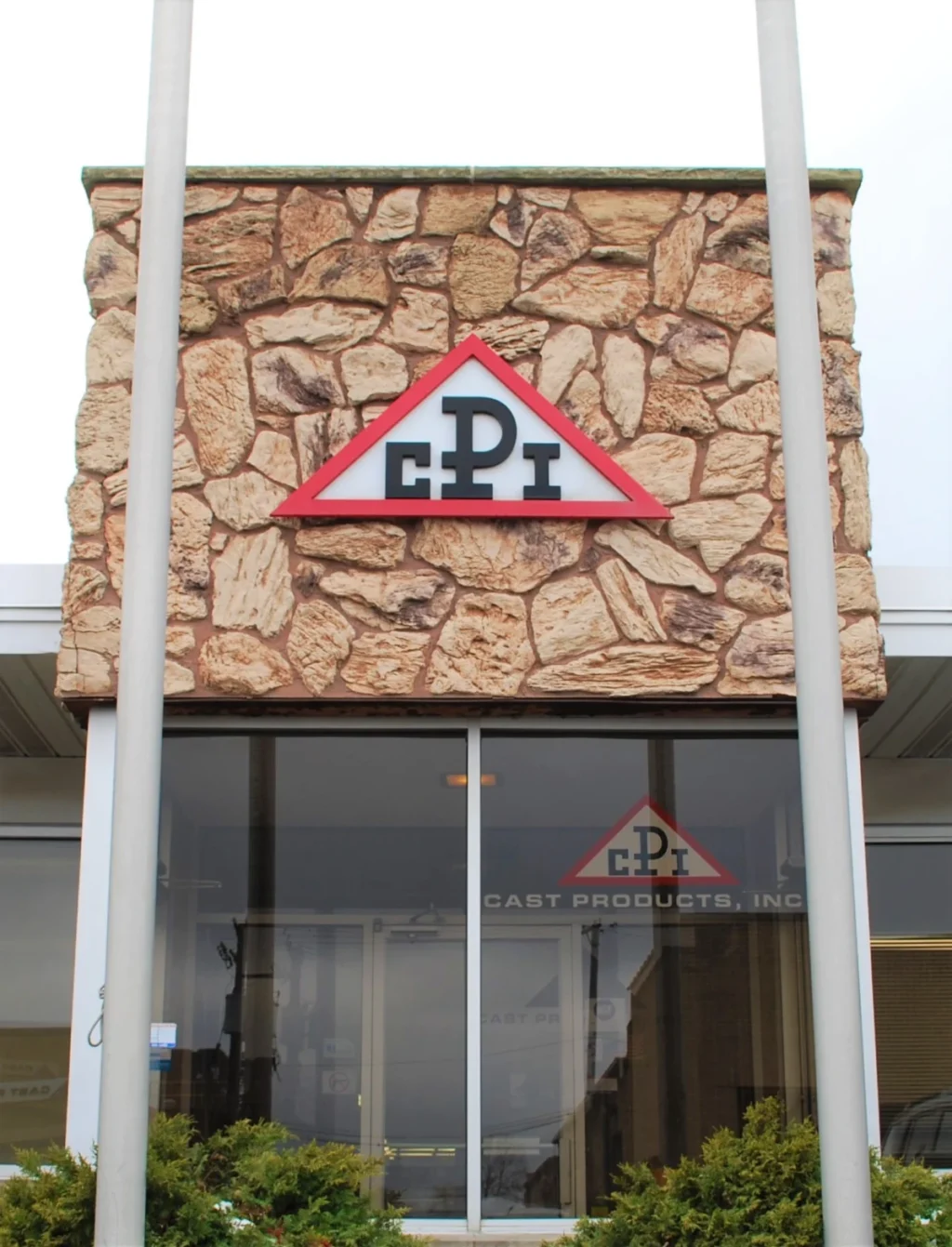
In a move that underscores a deepening commitment to domestic manufacturing and industrial self-reliance, NSI has officially announced the acquisition of Cast Products Inc. (CPI), a premier Norridge, Illinois-based manufacturer specializing in high-volume zinc die casting. This strategic integration marks a significant milestone in the evolution of NSI’s industrial portfolio, positioning the company to dominate the rapidly expanding market for electrical, automotive, and industrial components.
By absorbing CPI’s advanced manufacturing infrastructure, NSI is not merely adding to its balance sheet; it is reinforcing the supply chain for some of the most critical electrical and conduit fittings utilized across North America today.
Main Facts: The Intersection of Precision and Production
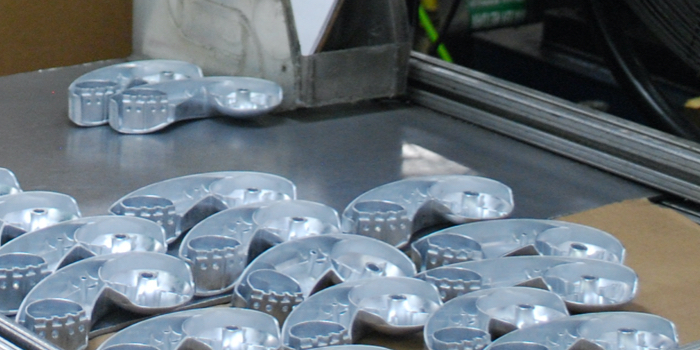
The acquisition brings together two powerhouses of industrial engineering. Cast Products Inc. has spent the last 57 years refining the art and science of zinc die casting. Their facility in Norridge is a hub of technological sophistication, featuring state-of-the-art die-casting machinery, precision tool fabrication, and robust secondary processing capabilities.
For NSI, the acquisition serves as a force multiplier. The Cable and Conduit Fittings category—already recognized as NSI’s fastest-growing business segment—stands to gain immediate, tangible benefits from CPI’s production capacity. As supply chain volatility continues to challenge global industries, the ability to produce high-quality, engineered components on American soil provides NSI with a competitive advantage that few rivals can match.
Key aspects of the acquisition include:
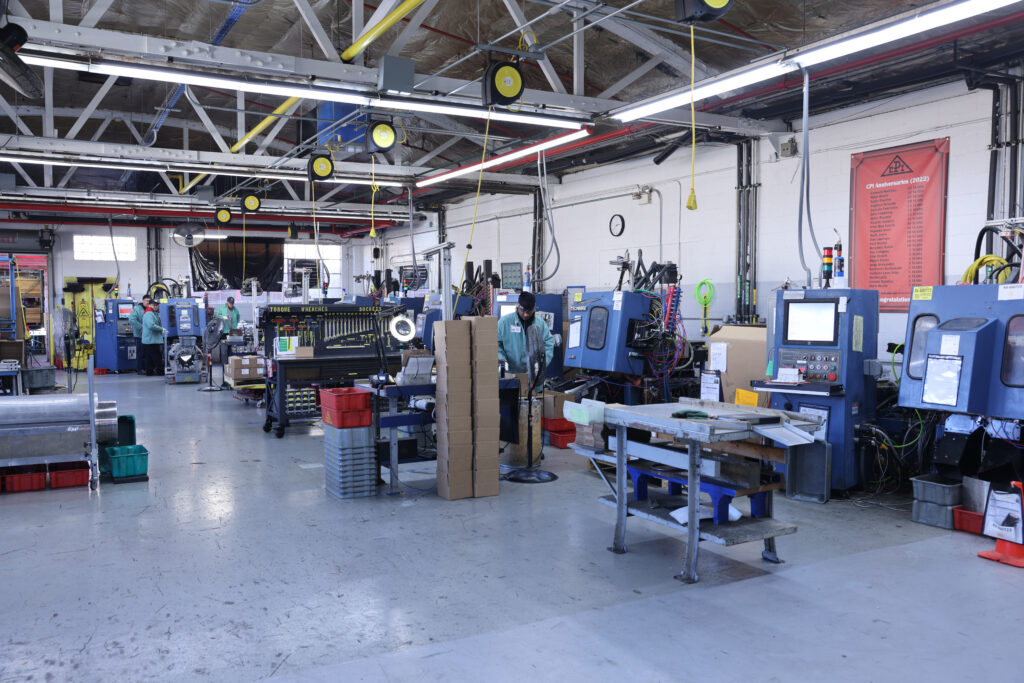
- Vertical Integration: By bringing CPI under its umbrella, NSI gains direct control over the manufacturing lifecycle, from initial design and engineering to final production.
- Capacity Expansion: The addition of CPI’s facility allows NSI to significantly increase its output of zinc die-cast parts, meeting the surging demand from the electrical and infrastructure sectors.
- Technical Synergy: CPI’s reputation for innovative tooling design and "pioneering" die-casting techniques will be integrated into NSI’s broader operational philosophy, enhancing the quality and consistency of the entire product catalog.
A Chronology of Growth and Innovation
To understand the significance of this deal, one must look at the history of both entities.
1966: The Founding of CPI
Cast Products Inc. was established in 1966 with a vision to advance the precision of zinc die casting in the United States. Throughout the 1970s and 80s, the company carved out a niche as a high-volume provider that refused to sacrifice quality for speed. Their focus on the "technological edge" allowed them to survive the mass exodus of manufacturing jobs that plagued the American industrial landscape in the late 20th century.
The Early 2000s: Building the NSI Ecosystem
While CPI was honing its casting techniques, NSI was building a reputation as a comprehensive solutions provider for electrical contractors and industrial engineers. By acquiring legacy brands such as Bridgeport Fittings and Remke Industries, NSI began assembling a portfolio of "trusted brands" that installers and distributors could rely on without reservation.
2023–2024: The Strategic Pivot
The decision to acquire CPI was not made in a vacuum. Over the past several years, NSI has recognized a shift in the global market: a movement toward near-shoring and on-shoring. By finalizing the purchase of CPI, NSI has solidified its commitment to the "Made in the USA" ethos. This acquisition represents the culmination of years of targeted growth, ensuring that NSI remains the primary destination for professionals seeking domestic, high-performance fittings.
Supporting Data: Why Zinc Matters
The choice of zinc as a primary material is central to the efficacy of the NSI-CPI partnership. Zinc die casting is an essential process for creating complex, high-tolerance parts that are both durable and cost-effective.

The Advantages of Zinc Die Casting
Zinc alloys offer superior mechanical properties compared to many other materials, including:
- Dimensional Accuracy: Zinc can be cast into intricate shapes with high precision, reducing the need for extensive secondary machining.
- Structural Integrity: Zinc die-cast parts exhibit high tensile strength, making them ideal for the rigorous demands of the electrical and industrial sectors.
- Fast Production Cycles: Because of its lower melting point compared to aluminum or brass, zinc allows for faster cycle times, which is critical for meeting the high-volume requirements of the cable and conduit market.
Data from the American Die Casting Association indicates that the demand for high-quality, domestically sourced die-cast components has grown by over 12% annually as companies look to mitigate the risks associated with international shipping delays and geopolitical instability. NSI’s acquisition of CPI positions them perfectly to capitalize on this trend, ensuring that they can fulfill large-scale orders with lead times that far outstrip competitors relying on overseas production.
Official Responses and Strategic Vision
While specific financial terms of the transaction remain confidential, the leadership at NSI has made it clear that this acquisition is a foundational element of their long-term growth strategy.
"The acquisition of CPI represents another major investment by NSI in U.S.-based manufacturing," a company spokesperson noted. "It immediately strengthens our position in the electrical market. The momentum in our Cable and Conduit Fittings category—our largest and fastest-growing business—will experience an immediate boost with the addition of CPI’s die-cast production capacity and expertise to our team."
The sentiment from the CPI side is equally optimistic. Having operated as an independent force for over half a century, joining the NSI family provides CPI with the resources to scale its innovations. By leveraging NSI’s expansive distribution network, CPI’s engineered parts will now reach a wider array of customers in the automotive and industrial sectors, beyond the electrical market where they have historically thrived.
Implications for the Industry
The merger of NSI and CPI creates significant ripples across the electrical supply chain.
1. Enhanced Reliability for Contractors
For electrical contractors and installers, the name of the game is consistency. When a job site requires thousands of fittings, the last thing an installer wants is a supply chain bottleneck. NSI’s control over the entire manufacturing process—from raw material to finished product—provides a level of assurance that is increasingly rare. Contractors can expect improved availability of critical components and a more streamlined inventory process.
2. A Model for American Manufacturing
This acquisition serves as a blueprint for other U.S. manufacturers. By proving that high-volume, precision manufacturing can remain viable and profitable domestically, NSI and CPI are helping to revitalize the industrial base. Their model suggests that the future of manufacturing lies in the marriage of "legacy" expertise—like that found in CPI’s 57-year history—with modern, agile, and technology-driven management.
3. Expansion into New Verticals
While the electrical market is the primary beneficiary, the implications for the automotive and general industrial sectors are profound. As vehicles become more electrically integrated, the need for high-quality, vibration-resistant, and precision-engineered zinc components is exploding. CPI’s existing expertise in these fields, combined with NSI’s reach, positions the combined company as a Tier 1 supplier for a new generation of industrial challenges.
Conclusion: A Future Forged in Zinc
As the global economy moves toward a more localized supply chain model, companies that prioritize domestic capabilities will define the next decade of industrial growth. NSI’s acquisition of Cast Products Inc. is more than a simple business transaction; it is a strategic alignment of history, technology, and market demand.
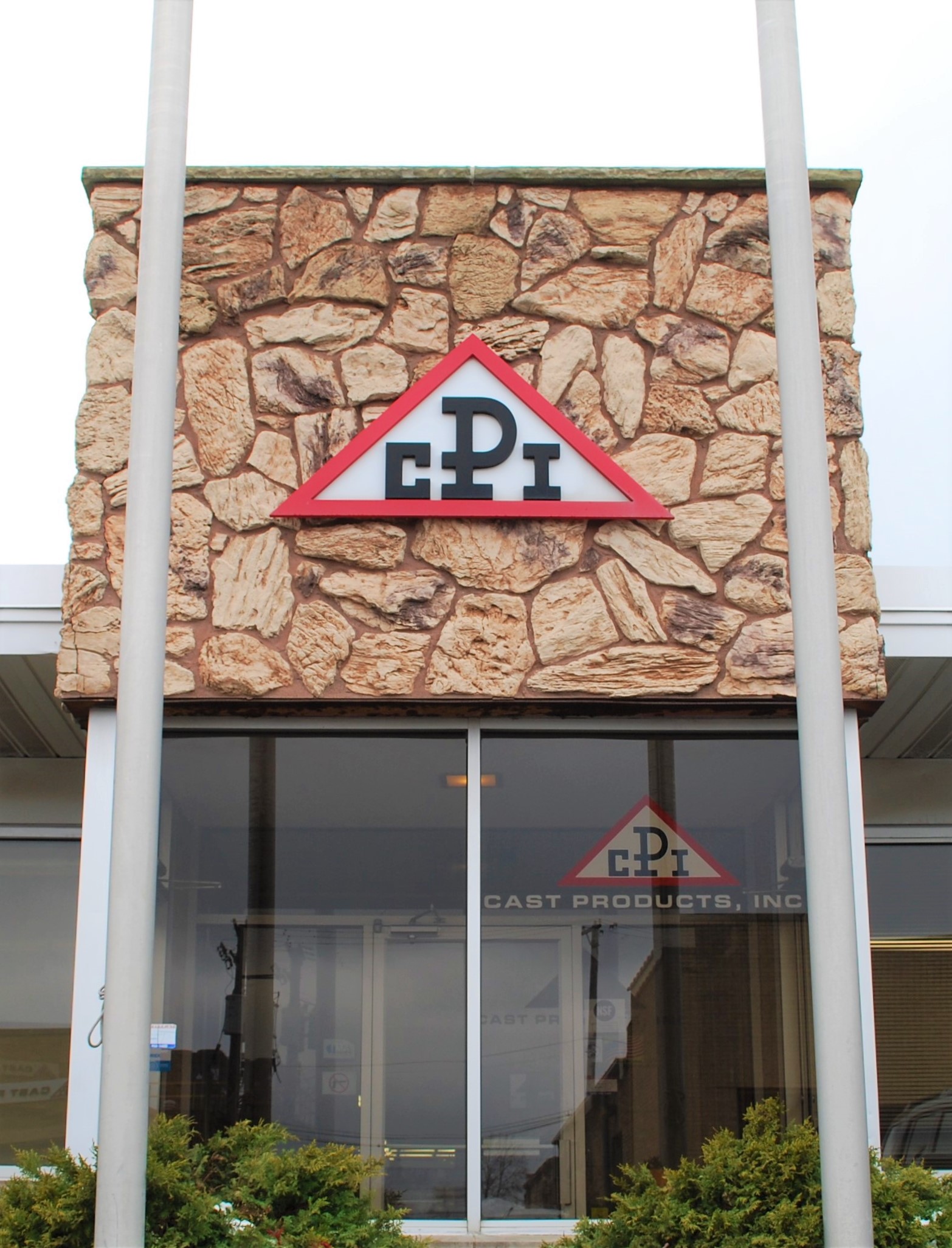
With over 55 years of experience, a facility optimized for the future, and a parent company committed to excellence, the future for the NSI-CPI partnership looks robust. As they continue to integrate their operations, the winners will be the distributors, the installers, and the end-users who depend on the precision, quality, and reliability of American-made components.
Through this union, NSI has not only expanded its catalog; it has fortified the very infrastructure upon which the modern industrial world is built. Whether through the innovative tooling designs that defined CPI or the broad, reliable supply chain of NSI, the message is clear: American manufacturing is not just surviving—it is evolving, innovating, and growing stronger every day.