
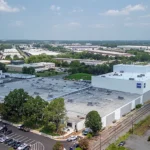




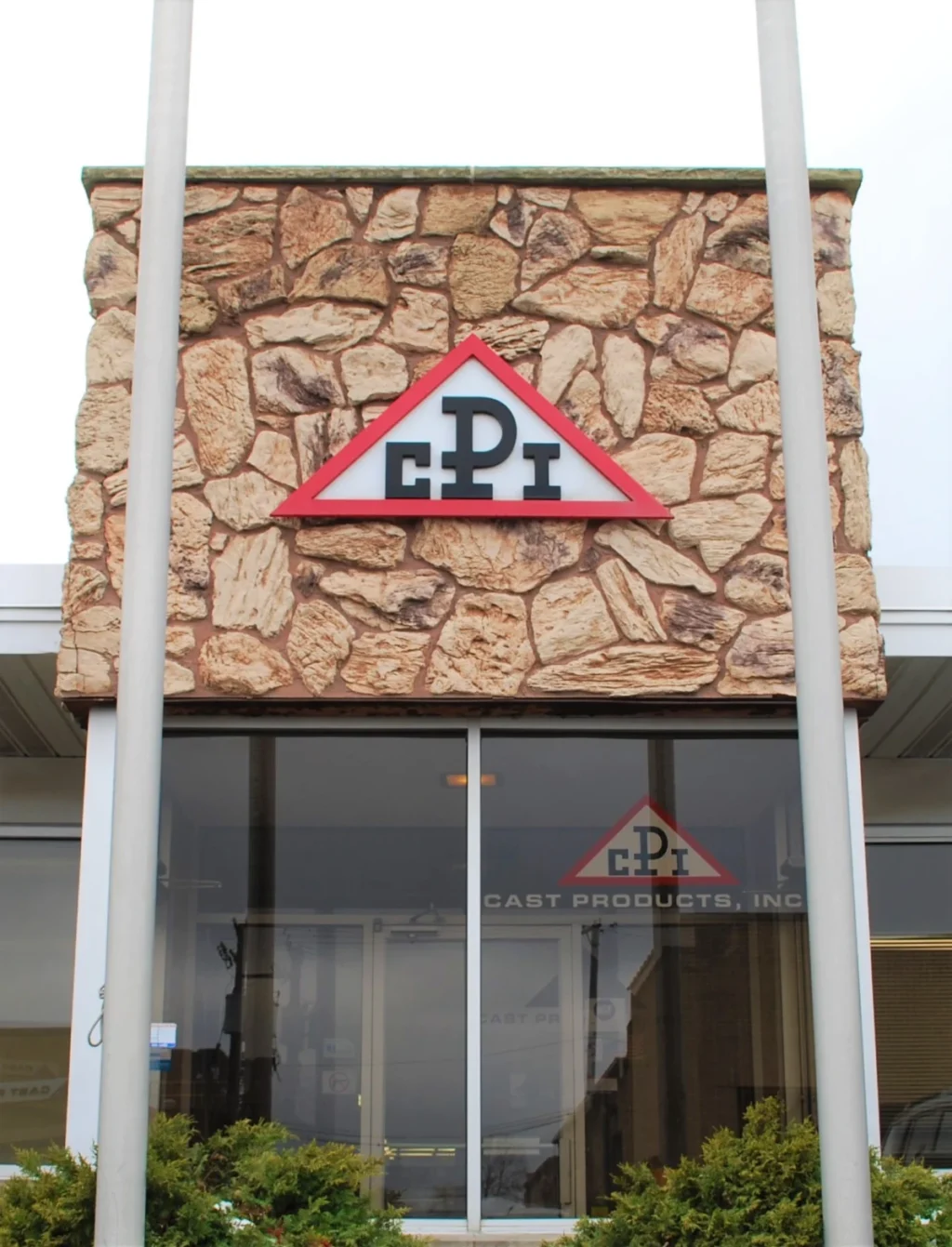
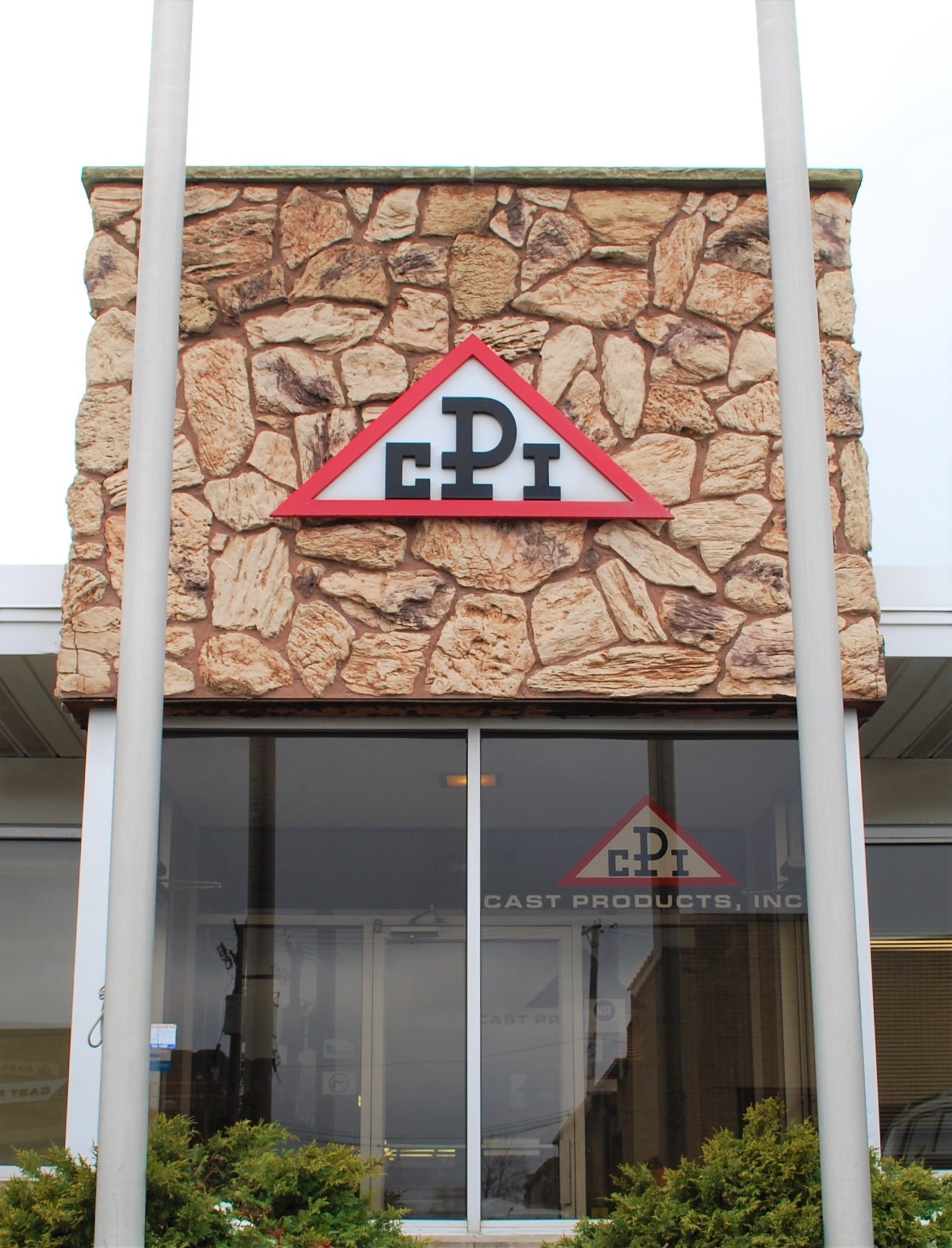
In a move that underscores a long-term commitment to domestic manufacturing and industrial self-reliance, NSI has officially announced the acquisition of Cast Products Inc. (CPI), a premier zinc die-casting manufacturer based in Norridge, Illinois. This strategic merger marks a significant milestone for both companies, blending 57 years of technical heritage with NSI’s expansive distribution network and market reach. As global supply chains face ongoing volatility, this investment signals a definitive move to bolster the United States’ internal production capacity, particularly within the critical electrical and industrial sectors.
The Strategic Alignment: Why CPI Matters
The acquisition of CPI is not merely an expansion of assets; it is a synergistic integration of expertise. CPI has long been recognized as a technical vanguard in the world of high-volume, engineered zinc die-cast parts. By folding CPI into the NSI family—which already includes industry titans like Bridgeport Fittings and Remke Industries—NSI is positioning itself to dominate the cable and conduit fittings category.
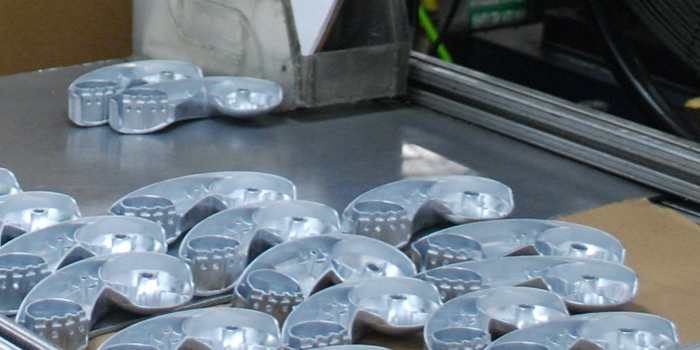
For NSI, the primary appeal of CPI lies in its sophisticated production capabilities. Beyond simple casting, CPI excels in high-precision tool fabrication and secondary processing, ensuring that every component meets rigorous quality standards before it leaves the facility. This integration allows NSI to offer a more seamless "design-to-delivery" experience for its customers, effectively cutting out the middleman and mitigating the risks associated with overseas shipping and quality control.
A Chronology of Excellence: The Legacy of Cast Products Inc.
The story of Cast Products Inc. is a testament to the endurance of American industrial craftsmanship. Founded in 1966, the company began as a small-scale operation with a singular focus: excellence in zinc die casting. Over the past five decades, the industry has seen massive technological shifts—from manual mechanical processes to automated, computer-integrated manufacturing—and CPI has remained at the forefront of every transition.

- 1966: Cast Products Inc. is founded in Norridge, Illinois, establishing a reputation for high-quality zinc die casting.
- 1970s–1990s: The company scales its operations, investing in pioneering tool design and establishing itself as a trusted partner for the automotive and industrial sectors.
- 2000s: CPI leans heavily into automation and secondary processing technology, further distancing itself from competitors reliant on manual, labor-intensive methods.
- 2023: NSI officially acquires CPI, marking the beginning of a new chapter that integrates decades of metallurgical expertise into NSI’s comprehensive fittings portfolio.
Throughout this timeline, the common thread has been a refusal to outsource. While many of their contemporaries shifted production to lower-cost international markets during the globalization boom of the late 20th century, CPI chose to stay local. This adherence to domestic manufacturing is the bedrock of their current value proposition to NSI.
Supporting Data: The Case for Zinc Die Casting
Zinc is often referred to as the "unsung hero" of the construction and electrical worlds. Its physical properties—high ductility, impact strength, and excellent dimensional accuracy—make it the material of choice for complex components that must withstand harsh environmental conditions.
The integration of CPI’s production data into NSI’s broader operations reveals a compelling narrative of efficiency. CPI’s facilities are optimized for high-volume production, utilizing advanced machinery that reduces waste and increases the lifespan of tooling dies.
Technical Advantages of the CPI Acquisition:
- Dimensional Accuracy: CPI’s processes allow for the creation of components with extremely thin walls and intricate geometries, which are often impossible to achieve with aluminum or plastic alternatives.
- Tooling Innovation: By owning the tooling design phase, NSI can now iterate faster on new product designs, reducing the time-to-market for proprietary fittings.
- Secondary Processing: The acquisition includes advanced finishing, tapping, and assembly capabilities, allowing for a "finished product" to be shipped directly from the factory floor to the job site.
Official Perspectives: Building for the Future
The leadership teams at both NSI and CPI have expressed immense enthusiasm for the future. For the NSI executive team, the acquisition is seen as a "force multiplier" for their electrical business unit. By internalizing the die-casting process, NSI is no longer beholden to external vendors for their most critical components.

"This acquisition represents a pivotal investment in the future of U.S. manufacturing," noted an NSI spokesperson during the announcement. "By welcoming CPI into our portfolio, we aren’t just buying a factory; we are acquiring a legacy of innovation. Our customers in the electrical trade demand reliability, and by controlling the entire manufacturing lifecycle of our conduit fittings, we can guarantee that level of reliability, every single time."
For the team at Cast Products Inc., the merger offers a unique opportunity to scale their reach. As part of the NSI network, CPI’s products will now be featured alongside established brands like Bridgeport and Remke, ensuring that their components are used in some of the largest electrical infrastructure projects across North America.
Implications: The Shift in the Manufacturing Landscape
The broader implications of this acquisition are significant. It signals a shift in the American industrial model, moving away from fragmented, just-in-time international supply chains toward more robust, vertically integrated domestic systems.
1. Supply Chain Resilience
In an era where geopolitical tensions and global logistics failures can cripple construction schedules, having a domestic manufacturing base is a strategic imperative. By centralizing the production of zinc fittings within the U.S., NSI is effectively "insulating" its supply chain. This means shorter lead times for distributors and, ultimately, more predictable project timelines for contractors.
2. Economic Impact on Norridge, Illinois
The acquisition also serves as an economic anchor for the Norridge community. By continuing to operate the CPI facilities, NSI is sustaining high-skilled jobs in engineering, tool-making, and manufacturing. This investment reinforces the role of local industrial hubs in maintaining the stability of the national economy.
3. The Future of the Electrical Market
As the demand for energy infrastructure grows—driven by the rise of electric vehicles, smart building technology, and renewable energy integration—the demand for high-quality electrical fittings will only increase. NSI is now uniquely positioned to meet this demand. The ability to pivot quickly to new design requirements, supported by the metallurgical expertise of the CPI team, gives NSI a competitive advantage that few others can match.
Looking Ahead: A New Standard for Quality
As NSI and CPI begin their integrated journey, the focus remains on the "Trusted Tradition" that has defined both companies. Customers can expect the same high-quality products they have come to rely on from NSI, now bolstered by the technological prowess of the CPI facility.
The union of these two entities is more than a simple corporate transaction; it is a commitment to the craft of manufacturing. In a world that often prioritizes the lowest cost at the expense of quality, NSI and CPI are doubling down on the value of American-made components. For the distributor, the contractor, and the end-user, this means one thing: when they choose a product from the NSI family, they are choosing a component that has been engineered to last, produced with precision, and delivered with the reliability that only domestic manufacturing can provide.
The future of American infrastructure requires more than just capital—it requires the technical know-how and the industrial capacity to build the components that hold our world together. With the acquisition of Cast Products Inc., NSI has proven that they are ready to lead that charge, ensuring that the next 50 years of electrical construction are defined by the same quality and innovation that have defined the past.