






For over a dozen years, Engineering News-Record (ENR) has served as the premier arbiter of international construction prowess. Through its annual Global Best Projects competition, the publication seeks to illuminate the most complex, innovative, and structurally daring feats of design and construction across the globe. This year, the program reached a historic milestone, as a panel of industry veterans meticulously scrutinized 111 submissions—one of the highest volumes in the contest’s history—to identify the pinnacle of global infrastructure.
The 2025-2026 cohort represents 32 winning projects spanning 21 countries across six continents, underscoring the immense logistical, cultural, and technical hurdles inherent in international development. From the arid landscapes of the Middle East to the bustling urban centers of North America and Southeast Asia, these projects stand as testaments to human ingenuity.
The Selection Process: A Rigorous Standard of Excellence
The path to recognition in the ENR Global Best Projects competition is arduous by design. To ensure that only the most exemplary projects receive accolades, the judging panel enforces a stringent set of criteria. Safety performance remains the foundational pillar of the competition; any project that recorded a construction-related fatality was immediately disqualified, reinforcing the industry’s commitment to "Zero Harm."
Beyond safety, judges evaluated submissions based on their innovation in design, the efficacy of international teamwork, and the overall excellence in overcoming project-specific constraints. The projects recognized had to reach completion between January 2025 and May 2026, ensuring that the award captures the most current technological and methodological advancements in the built environment.
The panel exercised its discretion to designate "Best Project" status to the top entries in each category, while simultaneously awarding "Awards of Merit" to projects that demonstrated exceptional merit in specific technical domains. These winners represent the best of the best, having navigated the volatile landscape of global supply chains, fluctuating economic conditions, and the increasing demand for sustainable infrastructure.
Chronology of Recognition and Celebration
The journey toward the December announcements began months prior, with a massive influx of documentation detailing the lifecycle of these 111 candidate projects. Following the rigorous evaluation phase, the results were finalized, setting the stage for a grand reveal in the December 14 issue of ENR.
This special edition will serve as the definitive record of the year’s achievements, providing in-depth case studies for each winning project. Furthermore, the issue will unveil the recipient of the industry’s most coveted the "Global Project of the Year." This honor is reserved for a single project that demonstrated unparalleled impact, innovation, and contribution to the global community.
To foster global participation and celebrate the teams behind these structures, ENR has organized a virtual awards presentation to be held on December 17. By hosting this event virtually and free of charge, ENR aims to bridge the geographical gap, allowing project teams from around the world to participate in the celebration of their collective success. Detailed information regarding the presentation can be found at www.enr.com/global-best-projects.
Supporting Data: A Geographic and Sectoral Breakdown
The diversity of this year’s winners highlights a shift in global construction trends, with a heavy concentration of infrastructure development occurring in the Middle East, while North American and Asian projects continue to refine the art of complex urban rehabilitation.
Infrastructure and Transport
- Airport/Port: The Velana International Airport (VIA) Expansion in the Maldives, submitted by China Harbour Engineering Co. Ltd., took home the top honor, reflecting the immense logistical challenges of expanding island-based infrastructure.
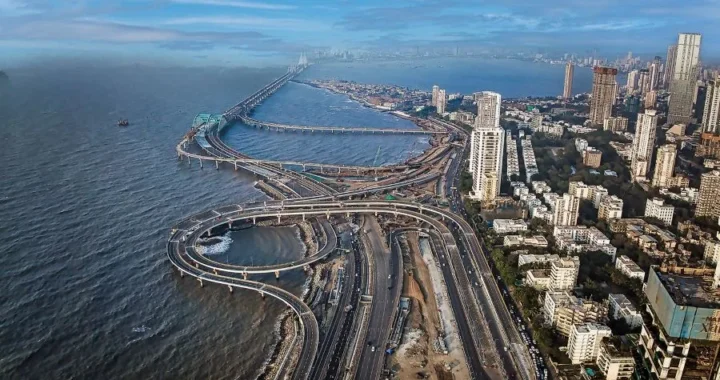
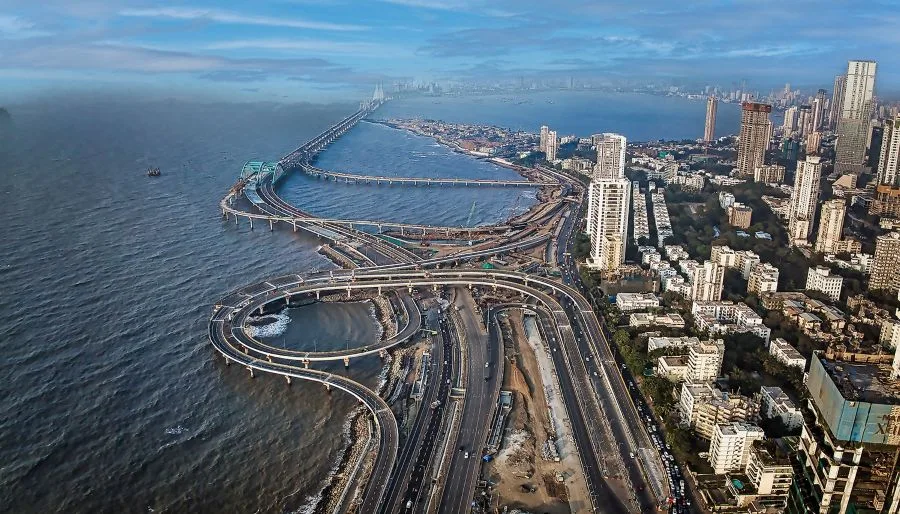
- Bridge/Tunnel: India’s Mumbai Coastal Road Project (Package II) was recognized as the Best Project, demonstrating the complexities of coastal civil engineering.
- Rail/Transit: The Riyadh Metro Lines 1 & 2 (submitted by Bechtel) was awarded Best Project, showcasing the scale of modern urban mobility solutions in Saudi Arabia.
Public and Social Infrastructure
- Government Buildings: BL Harbert International dominated this category, securing the Best Project award for the New U.S. Embassy in Tegucigalpa, Honduras, along with Awards of Merit for consulates in Thailand and Morocco.
- Health Care: The Magdi Yacoub Global Heart Center in Egypt, submitted by Orascom Construction, was named the Best Project, underscoring the critical intersection of specialized medicine and high-end facility design.
- Education/Research: The KAUST Coral Reef Initiative in Saudi Arabia earned the Best Project title, highlighting a focus on environmental stewardship and scientific advancement.
Sustainability and Industrial Innovation
- Cultural: The Masdar City Net Zero Energy Mosque in the UAE stands as a beacon for sustainable architecture, emphasizing the industry’s shift toward carbon-neutral construction.
- Manufacturing: The King Salman Energy Park (SPARK) in Saudi Arabia exemplifies the scale and technical coordination required for large-scale industrial hubs.
- Power/Industrial: The Julius Nyerere Hydropower Project in Tanzania is a monumental achievement in renewable energy, representing the significant engineering capacity currently emerging from the African continent.
Official Perspectives: The Value of International Collaboration
For the teams involved, these awards are more than just a trophy; they are a validation of the collaborative spirit required to build across borders.
"The complexity of executing a project of this magnitude in a foreign environment cannot be overstated," noted one industry veteran during the judging process. "It requires not just technical prowess, but an intimate understanding of local regulations, labor markets, and environmental impact. The winners this year have proven that they can navigate these hurdles while maintaining the highest standards of safety and design."
The reliance on multinational joint ventures—seen clearly in projects like the Central Interceptor in New Zealand or the various U.S. Embassy projects—signals a trend toward a more integrated global construction market. Firms are increasingly leveraging expertise from across the globe to solve local challenges, creating a "best-of-all-worlds" approach to project management.
Implications for the Global Construction Industry
The 2025-2026 ENR Global Best Projects winners provide a roadmap for the future of the built environment. Several key implications can be drawn from this year’s results:
- Sustainability is No Longer Optional: The prevalence of net-zero initiatives and the focus on environmental preservation in winning projects demonstrate that sustainable building practices have moved from a "niche interest" to a fundamental requirement for project success.
- Resilience in the Face of Climate Change: Whether it is the expansion of coastal airports or the management of water purification plants in arid regions, the industry is increasingly focused on infrastructure that can withstand the physical and environmental realities of a changing climate.
- Digital Integration: The level of coordination required for projects like the Riyadh Metro or the Mumbai Coastal Road suggests that Building Information Modeling (BIM) and digital twin technologies are no longer just tools for efficiency—they are the backbone of modern risk mitigation.
- The Rise of Emerging Markets: The concentration of winning projects in regions such as Egypt, Saudi Arabia, and Tanzania highlights a significant shift in capital investment toward emerging economies. These nations are setting the global standard for rapid, large-scale infrastructure deployment.
Conclusion
As the global construction industry looks toward the remainder of the decade, the lessons learned from the 2025-2026 ENR Global Best Projects winners will undoubtedly shape future practices. By prioritizing safety, embracing sustainable innovation, and fostering cross-border collaboration, these project teams have not only successfully navigated the complexities of their respective tasks but have also elevated the standard of the global construction industry as a whole.
The virtual awards ceremony on December 17 promises to be a capstone to a year of extraordinary work. As we await the announcement of the "Global Project of the Year," the industry celebrates the teams who, through their dedication and skill, continue to build the world of tomorrow, one project at a time.