




LONDON – 12 August 2026 – In a landmark move for the global telecommunications sector, GSMA Industry Services today unveiled its new "Circularity Services" offering. This strategic initiative is designed to provide mobile operators with a structured, scalable framework to extend the lifecycles of mobile devices, drastically reduce electronic waste (e-waste), and extract latent financial value from redundant hardware.
By integrating the specialized expertise of Closing the Loop and RGX, the GSMA is moving beyond theoretical sustainability goals, offering operators tangible, market-ready solutions that align environmental stewardship with commercial profitability.
The Core Challenge: Why Circularity Matters Now
The mobile industry stands at a critical juncture. As global connectivity expands, the volume of hardware circulating through the market continues to climb. However, the traditional "take-make-dispose" model is increasingly incompatible with both corporate ESG (Environmental, Social, and Governance) targets and the economic realities of a volatile supply chain.
For many operators, legacy equipment often sits idle in warehouses, depreciating in value while occupying valuable space. Simultaneously, the lack of robust infrastructure for the recovery and recycling of end-of-life (EOL) devices in many regions poses a significant reputational and regulatory risk. The GSMA’s Circularity Services aims to bridge this gap, transforming what was once a liability into a strategic asset.
Chronology of the Initiative: From Vision to Execution
The launch of Circularity Services is the culmination of years of industry-wide advocacy for circular business models.
- Pre-2024: Individual operators, including Vodafone, AT&T, and T-Mobile, begin piloting disparate recycling programs. The industry identifies that while individual initiatives are effective, they lack the scale to address the global nature of the e-waste crisis.
- 2024-2025: GSMA Industry Services conducts an extensive audit of the circular economy landscape, identifying "One for One" (Closing the Loop) and the automated marketplace (RGX) as best-in-class solutions capable of integration into the broader GSMA ecosystem.
- Early 2026: Strategic alignment between the GSMA, Closing the Loop, and RGX is formalized, focusing on building a unified portal that allows operators to access these services seamlessly.
- 12 August 2026: The official public launch of GSMA Circularity Services, providing a global entry point for operators to implement end-to-end circularity programs.
Supporting Data: The Impact of "One for One" and Marketplace Efficiency
The partnership centers on two distinct yet complementary methodologies:
1. The "One for One" Model
Championed by Closing the Loop, this service is arguably the most recognizable consumer-facing circularity program. It operates on a simple, verifiable premise: for every new mobile device sold by an operator, the company finances the collection and responsible recycling of one equivalent end-of-life device.
- Proven Track Record: Successfully deployed by industry titans such as Samsung, Vodafone, and Google.
- Global Reach: The program is specifically designed to function in regions where formal waste collection infrastructure is nascent, ensuring that recycling efforts occur exactly where the environmental need is highest.
2. The RGX Marketplace
While "One for One" addresses consumer hardware, RGX tackles the enterprise side. RGX provides a neutral, automated online marketplace for Enterprise Asset Disposition (EAD).
- Efficiency Gains: By connecting organizations with a vetted network of service providers through a single platform, RGX eliminates the fragmented, high-fee traditional vendor models.
- Transparent Recovery: The platform allows operators to see real-time competitive bidding for their redundant assets, ensuring they receive maximum market value while adhering to strict environmental compliance standards.
Official Responses: Leaders Weigh In
The Case for Consumer Engagement
Joost de Kluijver, Co-founder and CEO of Closing the Loop, highlighted the synergy between the GSMA’s reach and his company’s methodology:
"The GSMA is globally respected as a unifier of the mobile ecosystem. By linking one new device sold to the collection and responsible recycling of one end-of-life phone, we help operators take practical action. One for One is also a powerful differentiator at the point of sale; it adds clear, tangible value for customers who are increasingly demanding that their brands reflect their personal values."
Vodafone Germany’s Head of Sustainability, Michael Jungwirth, underscored the necessity of a cross-border approach:
"E-waste is a global problem. That’s why our solutions must not end at national borders. With One for One, we take responsibility and set an example. It’s not just a sign of change, but a sign of action. For one new phone Vodafone brings into circulation, we retrieve an old one."
The Case for Operational Excellence
Sean Miles, Co-founder of RGX, emphasized that scalability is the key to true industry transformation:
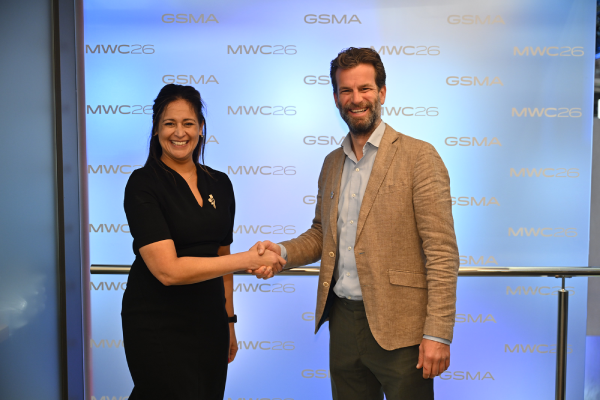
"Innovation is only as good as its ability to scale. Through our partnership with GSMA, we have the opportunity to help a broader part of the mobile ecosystem put circularity into practice. We help operators recover value from redundant equipment, support responsible recycling, and turn sustainability ambitions into hard operational data."
Roman Smith, Director of Global Environmental Sustainability at AT&T, echoed this sentiment:
"RGX has been a valued strategic collaborator as we’ve developed our retail e-waste initiative. Their platform and expertise have helped support practical circularity solutions, advancing more sustainable device recovery and recycling opportunities."
Strategic Implications: What This Means for the Industry
The launch of Circularity Services carries three profound implications for the future of mobile telecommunications:
1. Sustainability as a Competitive Differentiator
In a saturated mobile market, price and network quality are often the only variables. By integrating "One for One" at the point of sale, operators can now provide a "values-driven" purchasing experience. This helps build brand loyalty among younger, eco-conscious demographics who are increasingly wary of "greenwashing" and favor companies that provide measurable proof of their environmental claims.
2. The Shift to Asset Lifecycle Economics
The inclusion of the RGX marketplace signals a move toward a more sophisticated management of physical capital. Historically, IT and telecom assets have been treated as "sunk costs." By utilizing an automated, competitive marketplace, operators can treat hardware as a liquid asset. This not only improves the bottom line but also encourages a culture of refurbishment and reuse, potentially delaying the need for new capital expenditure on hardware.
3. Regulatory Future-Proofing
Governments worldwide are tightening regulations regarding "Right to Repair" and Extended Producer Responsibility (EPR). By proactively adopting these circularity frameworks, mobile operators are positioning themselves ahead of the legislative curve. Instead of being forced to comply with reactive, potentially costly mandates, they are building the infrastructure now to manage their own hardware footprints efficiently.
Conclusion: A "Win-Win" for the Ecosystem
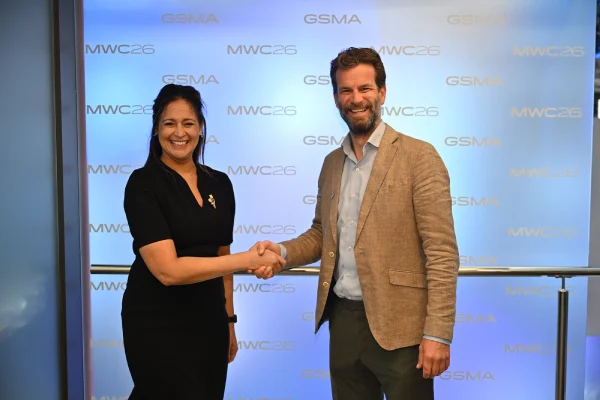
Sianne Ryder, CEO of Events and Industry Services at the GSMA, summarized the initiative’s potential during the launch event:
"The opportunity is a win-win: circular approaches are both more sustainable and deliver meaningful operational and commercial benefits. We are making it easier for organizations to reduce waste while unlocking greater value from existing assets."
As the mobile industry moves toward 2030, the ability to balance high-speed technological progress with ecological responsibility will define the leaders of the sector. The GSMA’s Circularity Services is not merely a service offering—it is an acknowledgment that the future of mobile connectivity must be as sustainable as it is fast.
For operators and partners looking to turn their sustainability commitments into measurable, profitable action, the path forward is now clear.
For more information on how to integrate these solutions into your organization’s operations, visit the GSMA Circularity Services portal.