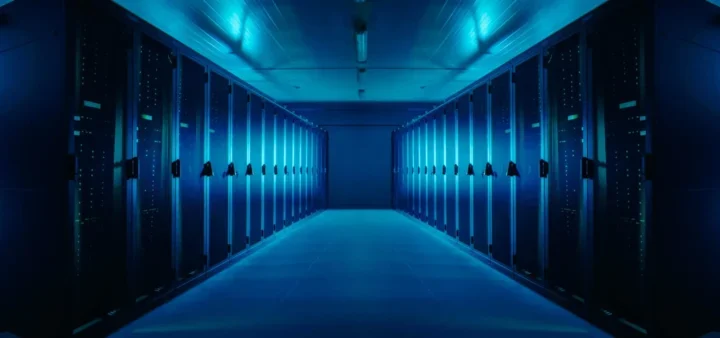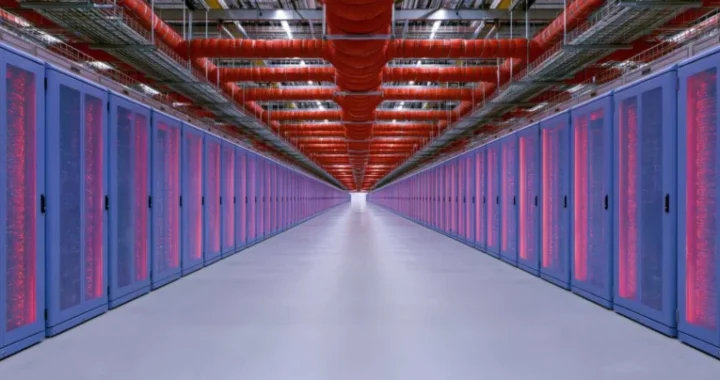




The modern digital economy—a sprawling, interconnected web of cloud computing, generative AI, and high-frequency enterprise applications—rests entirely upon a foundation of physical infrastructure. As global demand for data processing power surges, the humble data center has evolved from a back-office utility into a mission-critical nerve center. With this transformation comes a sobering reality: even a millisecond of downtime can translate into catastrophic financial losses and systemic operational failures.
To mitigate these risks, the Telecommunications Industry Association (TIA) has positioned itself as the architect of reliability. By harmonizing two distinct yet symbiotic frameworks—ANSI/TIA-942 and the Data Center Excellence (DCE) 9000 standard—the industry is moving toward a future where infrastructure is not just functional, but predictable, resilient, and inherently scalable.
Main Facts: The Dual-Front Approach to Reliability
The challenge of data center reliability is multifaceted. It involves the architectural integrity of the facility itself (the "building") and the quality of the individual components that power, cool, and connect the servers (the "supply chain").
The TIA addresses these two fronts through a strategic, dual-standard approach:
- ANSI/TIA-942: This is the gold standard for facility design and site infrastructure. It provides a granular, globally recognized blueprint for how a data center should be built, encompassing power distribution, environmental controls (HVAC), telecommunications, and physical security. It is the framework that dictates the "availability rating" of a data center, ensuring that if a facility claims to be "Rated 4," it possesses the fault-tolerant engineering to survive simultaneous failures.
- DCE 9000: This represents a paradigm shift in supply chain quality management. While TIA-942 ensures the building is designed correctly, DCE 9000 ensures that the equipment installed within those walls—from Uninterruptible Power Supplies (UPS) to advanced cooling systems—meets rigorous, repeatable quality standards. It adapts the stringent quality management principles of the aerospace, automotive, and telecommunications sectors to the specific needs of the data center industry.
A Brief Chronology of Data Center Standardization
The evolution of these standards reflects the broader maturation of the internet and digital infrastructure.
- The Early 2000s (The Formative Years): As enterprise IT moved from on-premise server closets to dedicated facilities, the lack of standardized design guidelines led to a "Wild West" of infrastructure. The TIA responded by convening the TR-42 engineering committee to codify what would eventually become the ANSI/TIA-942 standard.
- The Mid-2010s (Scaling and Complexity): The rise of hyperscale cloud providers forced the industry to rethink redundancy. ANSI/TIA-942 gained global traction, becoming the primary benchmark for consultants and operators looking to certify their facilities for institutional investors and multinational clients.
- 2020–2024 (The Quality Gap): As the speed of construction accelerated to meet the AI boom, a new problem emerged: "infant mortality" of hardware. Rapid deployment cycles often meant that equipment quality was inconsistent. Recognizing that a perfectly designed facility is only as good as its weakest component, TIA launched the DCE 9000 initiative.
- The Present Day: The industry is now seeing the convergence of these two standards, as major operators mandate both TIA-942 site certification and DCE 9000 supplier compliance to ensure end-to-end operational integrity.
Supporting Data: Why Standards are Mission-Critical
The necessity for these standards is not merely theoretical; it is driven by the sheer scale of modern infrastructure.
- The Cost of Downtime: Industry research consistently places the cost of data center downtime between $5,000 and $9,000 per minute. For major e-commerce or financial services platforms, the figure can reach into the millions.
- The Density Challenge: A decade ago, rack densities were typically measured in kilowatts (kW) per rack. Today, with the integration of GPU-heavy AI clusters, densities are climbing into the 30kW–100kW range. This shift renders legacy cooling and power distribution designs obsolete, making the strict adherence to TIA-942’s cooling and airflow guidelines a survival imperative.
- Supply Chain Complexity: An average high-performance data center contains thousands of individual components from hundreds of suppliers. Without a standardized Quality Management System (QMS) like DCE 9000, managing the quality assurance of these parts—and the corresponding audits—is a logistical nightmare. Standardized metrics reduce the "audit burden" on suppliers, accelerating time-to-market for new capacity.
Official Perspectives: Leadership in Infrastructure
The TIA leadership emphasizes that these standards are not just technical requirements; they are business enablers. According to representatives from the TIA’s TR-42 committee, the primary goal of these standards is to eliminate the "guessing game" in site selection and equipment procurement.
"When an enterprise selects a data center, they are effectively outsourcing their uptime," a TIA spokesperson noted during a recent briefing. "By utilizing the TIA-942 framework, the operator provides the client with a predictable performance profile. By enforcing DCE 9000, that same operator ensures that the critical hardware—the lifeblood of the facility—isn’t a point of failure."
Furthermore, the TIA underscores that these standards are "living documents." They are updated periodically to account for emerging technologies such as liquid cooling, modular data center designs, and sustainable energy integration. This adaptability ensures that the standards remain relevant even as the technological landscape shifts under the pressure of AI and edge computing.
Implications: The Future of Digital Infrastructure
The integration of TIA-942 and DCE 9000 has profound implications for the global digital economy.
1. The Commoditization of Quality
As these standards become the baseline requirement for data center procurement, we will see a "commoditization of quality." It will become increasingly difficult for non-standardized, "shadow" data centers to compete. This creates a market where reliability is a prerequisite rather than a value-add.
2. Streamlining Global Deployment
For hyperscale operators—companies like Microsoft, AWS, and Google—or colocation giants like Equinix, these standards provide a common language. A project manager in Singapore and an engineer in Virginia can communicate about "Rated 3" redundancy or "DCE 9000-compliant" power distribution units without ambiguity. This linguistic and technical commonality is vital for the rapid global expansion of the cloud.

3. Sustainability and Efficiency
Reliability and efficiency are two sides of the same coin. A well-designed facility (TIA-942) prevents the waste of energy through optimized cooling pathways, while high-quality equipment (DCE 9000) is inherently more energy-efficient and has a longer operational lifecycle. Consequently, the adoption of these standards is a primary lever for reducing the carbon footprint of the digital economy.
4. Mitigating AI-Driven Risk
The advent of Generative AI has fundamentally changed the operational profile of the data center. AI workloads are constant, intense, and unforgiving of power fluctuations. The stress placed on hardware is unprecedented. In this environment, the "trial-and-error" approach to infrastructure is no longer viable. The rigor of the DCE 9000 supply chain, combined with the structural resilience of TIA-942, provides the only reliable roadmap for supporting the next generation of artificial intelligence.
Conclusion: The Path Forward
The modern data center is the cathedral of the 21st century. It is a structure of immense complexity, holding the collective knowledge and commercial capacity of our civilization. Entrusting such a facility to anything less than a globally recognized, rigorously audited standard is a risk that few organizations can afford.
By championing the synergy between ANSI/TIA-942 for design and DCE 9000 for supply chain quality, the TIA is providing the industry with the tools necessary to navigate an era of explosive growth. As we move further into a future defined by AI and instantaneous global connectivity, these standards will serve as the invisible scaffolding that keeps the digital world standing. For operators, investors, and the end-users who rely on the cloud, this standardization is not merely a technical preference—it is the bedrock of the future.