



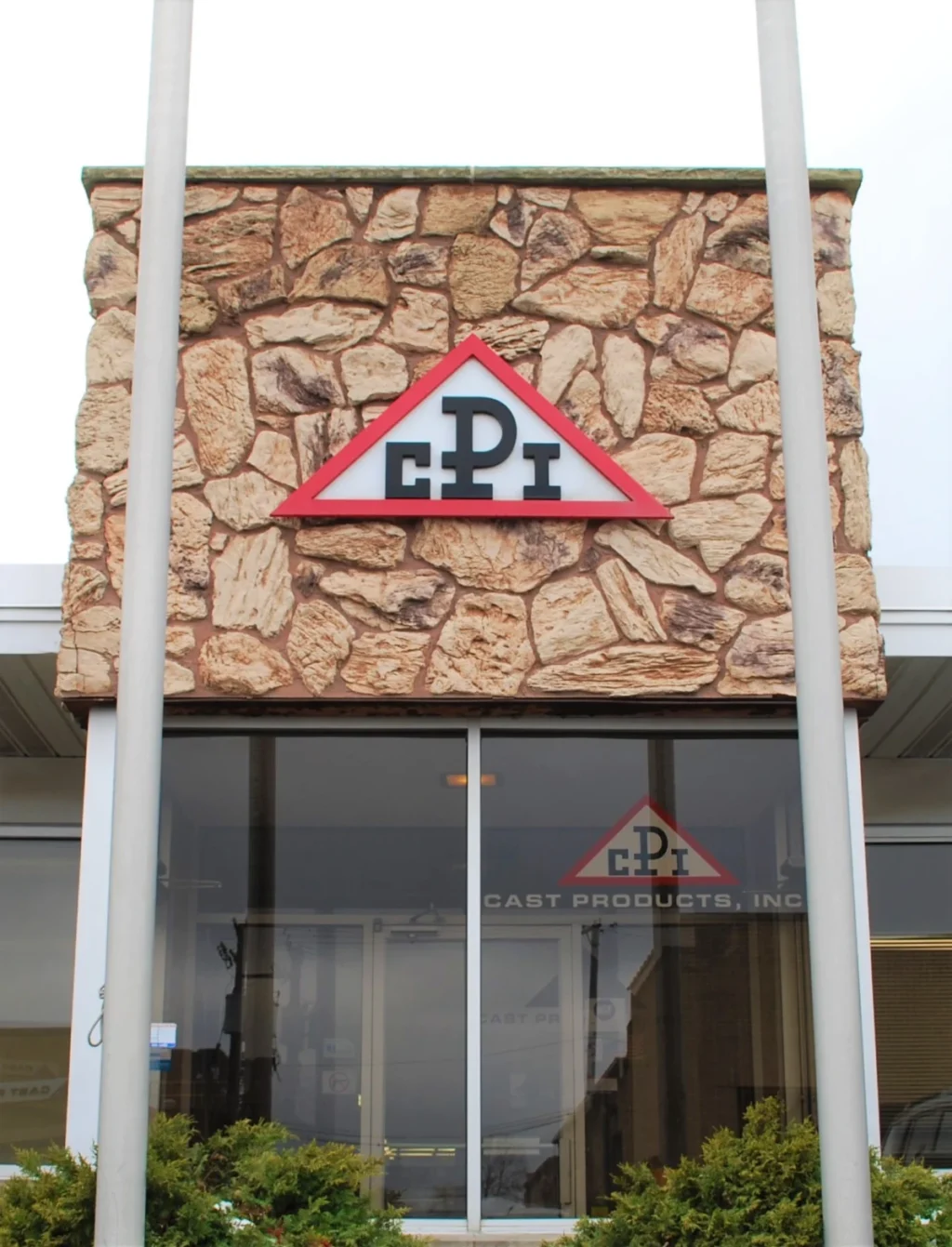
NORRIDGE, Ill. — In a landmark move for the American manufacturing landscape, NSI Industries has officially announced the acquisition of Cast Products Inc. (CPI), a premier, Norridge-based manufacturer specializing in high-volume zinc die casting. This strategic integration marks a significant milestone in NSI’s ongoing mission to bolster domestic production capabilities, enhance supply chain resilience, and expand its footprint in the critical electrical, industrial, and automotive sectors.
The acquisition brings together two powerhouses of American engineering: NSI, known for its expansive portfolio of electrical product solutions, and CPI, a legacy manufacturer with over five decades of expertise in precision metalwork. By folding CPI’s advanced die-casting technology and production capacity into its own ecosystem, NSI is poised to accelerate growth within its high-demand Cable and Conduit Fittings category.
Main Facts: A Synergistic Partnership
The union of NSI and CPI is not merely an expansion of assets; it is a calculated effort to verticalize NSI’s supply chain. CPI, founded in 1966, has built an enduring reputation for excellence in engineered zinc die-cast parts. Their operational model—which encompasses everything from initial design and tool fabrication to secondary processing—complements NSI’s existing operations, which already include industry-trusted brands such as Bridgeport and Remke.
For NSI, the acquisition addresses the growing market demand for high-quality, domestically manufactured electrical components. In an era where supply chain stability is paramount, NSI’s ability to control the production of its zinc die-cast fittings provides a competitive advantage. CPI’s Norridge facility is renowned for its pioneering approaches to tooling and high-precision production, ensuring that NSI can maintain the stringent quality standards its customers have come to expect.
Chronology: A 57-Year Legacy Meets Modern Strategy
The timeline of this acquisition is rooted in decades of consistent performance and industrial evolution.
- 1966: Cast Products Inc. is founded in Illinois, establishing a baseline for quality and precision in the zinc die-casting industry. Over the subsequent decades, the company matures into a critical supplier for the automotive, industrial, and electrical markets.
- Late 20th Century – Early 2000s: CPI distinguishes itself through a commitment to technological advancement, investing in machine technology and pioneering new methods for secondary processing to ensure part longevity and cost-efficiency.
- The NSI Era: NSI Industries continues its aggressive strategy of organic and inorganic growth, acquiring brands like Bridgeport and Remke to become a comprehensive provider for the electrical trade.
- 2023/2024: The formal acquisition of CPI is finalized, marking the start of a new chapter. This move is categorized by industry analysts as a tactical response to the "reshoring" trend, where American companies are increasingly moving manufacturing operations back to the U.S. to mitigate global logistical risks.
Supporting Data: Precision and Capacity
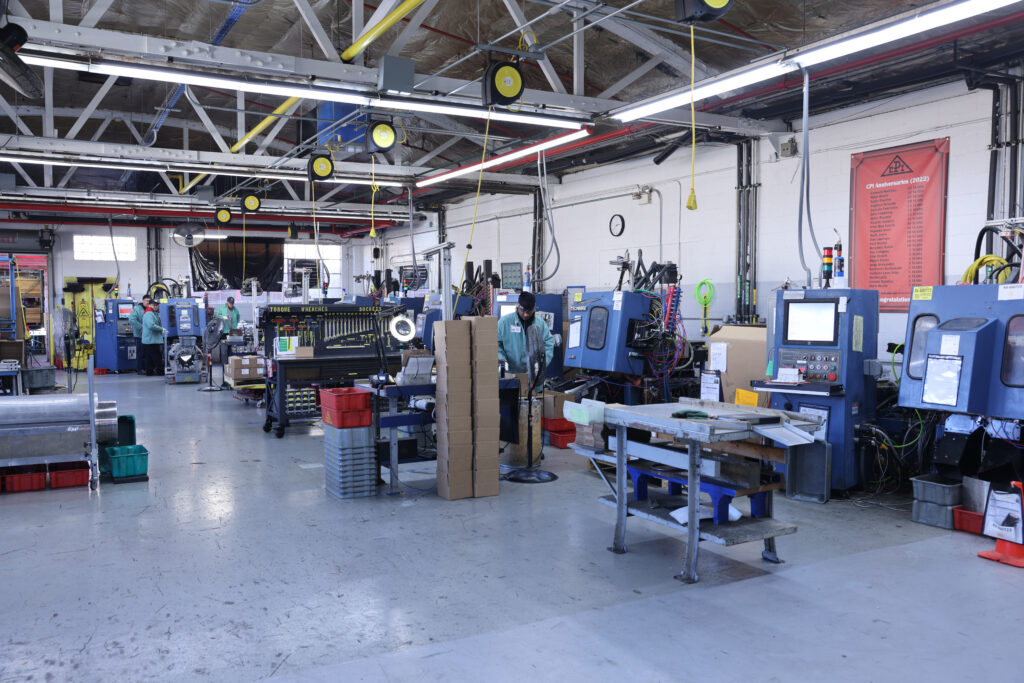
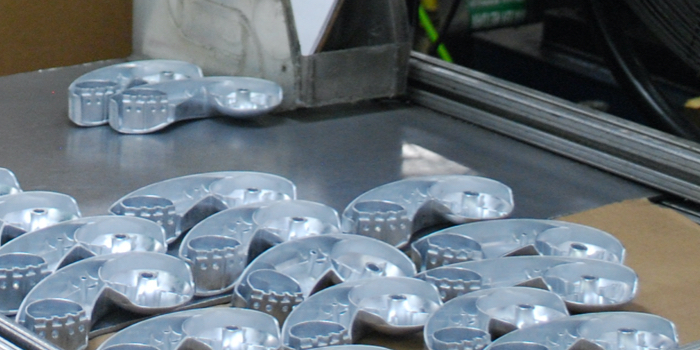
The technical prowess of CPI is the cornerstone of this acquisition. Zinc die casting is a sophisticated manufacturing process that requires exact thermal management, pressure control, and mold integrity. CPI’s facilities are equipped to manage high-volume output without sacrificing the precision required for electrical conduit and cable fittings—components that must meet rigorous safety and durability standards.
Technical Capabilities Overview:
- Tooling Innovation: CPI’s proprietary approach to tooling design allows for shorter lead times and superior part geometry.
- Secondary Processing: Beyond the initial casting, the company offers extensive finishing services, ensuring that components are "ready-to-install" for contractors and original equipment manufacturers (OEMs).
- Scale: With decades of experience in high-volume manufacturing, the Norridge plant adds immediate, scalable production capacity to NSI’s existing catalog, allowing for faster turnaround times for distributors.
The combination of NSI’s national distribution network and CPI’s manufacturing output creates a seamless flow from the foundry floor to the job site. This efficiency is critical in the current construction landscape, where delays in specialized fittings can stall multi-million dollar infrastructure projects.
Official Perspectives: The Value of "Made in the USA"
Leadership at both organizations have highlighted that this merger is built on a foundation of shared values. NSI has consistently championed the "American-made" label, viewing domestic manufacturing as a core tenet of its brand identity.

"The acquisition of CPI represents another major investment by NSI in U.S.-based manufacturing," stated an NSI representative. "By adding CPI’s die-cast production capacity and expertise to our team, we are immediately strengthening our position in the electrical market, particularly within the Cable and Conduit Fittings category, which is already our largest and fastest-growing business."
For CPI, the acquisition offers the resources of a larger corporate entity, allowing the 57-year-old firm to continue its legacy of innovation. The integration allows CPI’s engineering team to leverage NSI’s broader market data to refine their production focus, ensuring that they are manufacturing exactly what the modern electrical contractor needs.
Implications: A New Standard for the Electrical Market
The long-term implications of this acquisition extend far beyond the balance sheets of the two companies involved.
1. Strengthening the Domestic Supply Chain
By securing a domestic source for critical zinc components, NSI is insulating itself against the volatility of international shipping and global trade tariffs. This is a massive boon for NSI’s distributors, who can now rely on a more consistent inventory of American-made parts.
2. Enhanced Product Integration
With brands like Bridgeport, Remke, and now CPI under the NSI umbrella, the company is effectively building a "one-stop-shop" ecosystem. When a contractor specifies NSI products, they are now utilizing a system where the engineering of the fittings, the die-casting of the components, and the final assembly are all aligned under a singular quality-control philosophy.
3. Industry Competitiveness
The ability to produce parts locally with high efficiency allows NSI to maintain competitive pricing, even in an inflationary environment. By utilizing advanced die-casting machine technology, the company is reducing waste and improving energy efficiency at the Norridge plant, which in turn keeps overhead costs manageable.
4. Future-Proofing
The electrical industry is currently undergoing a massive transformation, driven by the electrification of buildings, smart grid technology, and the massive expansion of data centers. These projects require high-specification conduit fittings that can withstand harsh environments. CPI’s technical expertise in zinc casting provides the high-performance materials necessary to support these modern infrastructure needs.
Conclusion: Looking Ahead
As NSI Industries moves forward with the integration of Cast Products Inc., the focus will remain on the synergy between design, production, and distribution. For the end-user—the electrician on the job site or the engineer designing a new commercial complex—this acquisition translates into higher reliability and quicker access to essential components.
The "Trusted Tradition" that CPI has maintained since 1966 is now amplified by NSI’s expansive reach. As both companies look to the future, the emphasis will remain on refining processes, pushing the boundaries of die-casting technology, and proving that American manufacturing remains a vital, competitive, and innovative force on the global stage.
Distributors and customers are encouraged to explore the expanded NSI catalog, which now features the full range of solutions from Bridgeport, Remke, and the newly integrated Cast Products Inc. This portfolio represents not just a collection of parts, but a commitment to the infrastructure that powers the modern world.