






Strategic Partnership Positions HVAC and Electrical Powerhouse for Accelerated Market Dominance
In a move that signals a significant consolidation within the industrial supply sector, NSI Industries—a premier North American manufacturer and supplier of specialized electrical and HVAC components—has officially announced its acquisition by Sentinel Capital Partners. The transaction, the financial terms of which remain undisclosed, marks a transformative juncture for NSI, a company that has spent years cultivating a reputation for reliability, precision engineering, and expansive distribution networks.
For Sentinel Capital Partners, a private equity firm with a storied history of scaling middle-market companies, the acquisition of NSI represents a strategic investment in a resilient, high-growth sector. As NSI looks toward its next phase of development, the partnership is expected to provide the capital, operational expertise, and strategic guidance necessary to propel the brand into its next tier of market influence.
The Core Facts: A Strategic Alignment
NSI Industries serves as the backbone for thousands of contractors and installers across the United States and Canada. By offering a comprehensive catalog of over 20,000 SKUs, the company has positioned itself as a "one-stop-shop" for essential field hardware. The acquisition by Sentinel Capital Partners serves to solidify this foundation.
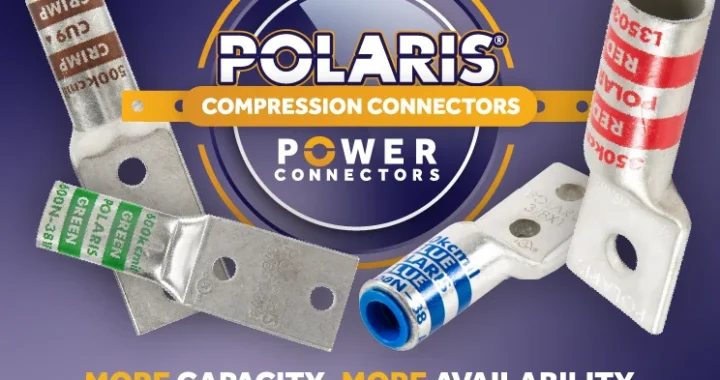
Under the new ownership structure, NSI will continue to operate under its existing leadership, leveraging its established brand portfolio—which includes industry stalwarts such as Bridgeport, Polaris, Tork, Duro Dyne, and Supco. The synergy between Sentinel’s investment philosophy and NSI’s operational model is centered on one primary objective: to accelerate product innovation while maintaining the high-quality service standards that have defined NSI’s market presence for decades.
Chronology: Building a Market Leader
To understand the significance of this acquisition, one must look at the trajectory NSI Industries has charted over the past decade.
The Foundation of Reliability
NSI’s history is rooted in the steady, organic growth of its two primary divisions: Electrical and HVAC. Over the years, the company transitioned from a specialized component provider to a comprehensive multi-brand conglomerate. By strategically acquiring smaller, niche manufacturers—such as the integration of the Polaris and Bridgeport lines—NSI successfully diversified its product offering.
The Era of Scale
Throughout the 2010s and early 2020s, NSI moved beyond simply selling parts to providing total solutions. This involved digitizing their supply chain, optimizing distribution logistics for third-party partners, and investing heavily in the durability of their materials.
The Sentinel Transition
The dialogue between NSI and Sentinel Capital Partners began as both parties recognized the potential for NSI to capitalize on the increasing demand for high-performance building components. Following months of due diligence, the agreement was finalized, marking the transition from NSI’s previous ownership structure to a partnership with one of the most respected middle-market private equity firms in the country.
Supporting Data: By the Numbers
The value proposition for this acquisition is underscored by several key performance indicators that demonstrate NSI’s market resilience and operational scale:
- Product Breadth: With a catalog exceeding 20,000 individual products, NSI maintains one of the most comprehensive inventories in the electrical and HVAC sectors. This breadth reduces the need for contractors to source from multiple suppliers, increasing efficiency.
- Market Reach: NSI’s infrastructure serves a vast network of third-party distributors across North America. This established logistics network is a critical asset that provides a significant barrier to entry for potential competitors.
- Brand Equity: The company manages a "best-in-class" portfolio. Brands like Polaris (insulated connectors) and Duro Dyne (HVAC air regulation) are synonymous with professional-grade quality.
- Sector Stability: Both the electrical and HVAC industries have proven largely recession-proof, as they are tethered to the essential maintenance and infrastructure requirements of the built environment.
Official Responses: A Vision for the Future
The leadership at NSI Industries has expressed profound optimism regarding the transition, emphasizing that the partnership is not a change in direction, but an acceleration of existing goals.
"This is an exciting new chapter for NSI," said G.R. Schrotenboer, CEO of NSI Industries. "Our partnership with Sentinel Capital Partners is a significant milestone, aligning perfectly with our vision to expand our offerings and strengthen our leadership in the markets we serve. With Sentinel’s support, we are confident in our ability to achieve even greater success while continuing to deliver exceptional value to our distributors and contractors."
From the perspective of Sentinel Capital Partners, the investment is an endorsement of NSI’s management team and their proven ability to navigate complex supply chain environments. While private equity firms are often characterized by their focus on aggressive restructuring, the commentary surrounding this deal suggests a more collaborative approach aimed at "bolstering operational capabilities" and "opening new avenues for innovation."
Implications: The Road Ahead
The acquisition of NSI Industries is likely to have significant ripple effects across the construction and industrial supply landscape.
For Contractors and Installers
In the immediate term, little will change for the end-users—the contractors on the job site. However, the infusion of capital is expected to result in faster lead times, a more robust digital ordering experience, and potentially, the rollout of new, technologically advanced components. As the "smart building" trend continues to reshape electrical and HVAC installations, NSI is now better positioned to invest in the R&D required to lead that transition.
For the Competitive Landscape
The acquisition creates a formidable player in the midmarket space. Competitors will likely feel pressure to either innovate their product lines or consolidate their own resources to keep pace with the enhanced operational efficiency of the "new" NSI.
Operational Evolution
Sentinel Capital Partners is known for its "buy-and-build" strategy. It is highly probable that NSI will continue to pursue selective bolt-on acquisitions. By acquiring smaller, innovative firms that complement their existing portfolio, NSI can quickly enter new product categories without the long lead time associated with internal product development.
Market Outlook
The broader macroeconomic climate—characterized by a focus on infrastructure renewal and energy-efficient building standards—places NSI in an enviable position. Whether it is through high-performance wire management solutions or advanced air regulation components, NSI is perfectly aligned with the technical requirements of modern, sustainable construction.
Conclusion: A New Milestone
The acquisition of NSI Industries by Sentinel Capital Partners is a testament to the strength of the company’s brand and the enduring demand for quality in the electrical and HVAC sectors. As the organization embarks on this new chapter, the industry will be watching closely.
By combining the institutional knowledge and customer-centric culture of NSI with the strategic resources of Sentinel, the firm has positioned itself not just to survive the complexities of the current market, but to define its future. For distributors, partners, and contractors, the message is clear: NSI Industries is scaling for the future, and its commitment to providing the essential tools for the American built environment remains stronger than ever.
As NSI continues to integrate these new resources, the market can expect a continued focus on the core values that built the company: reliability, quality, and an unwavering commitment to the professionals who keep North America’s infrastructure running. This is not merely an exit or a transaction; it is a catalyst for the next generation of industrial innovation.