





In an era where the retail landscape is defined by razor-thin margins, a surge in organized retail crime (ORC), and a relentless demand for frictionless customer experiences, store operators are at a crossroads. The modern retail environment requires a sophisticated technological backbone that can simultaneously deter theft, manage complex inventory, and provide high-tech amenities—all without ballooning capital expenditures.
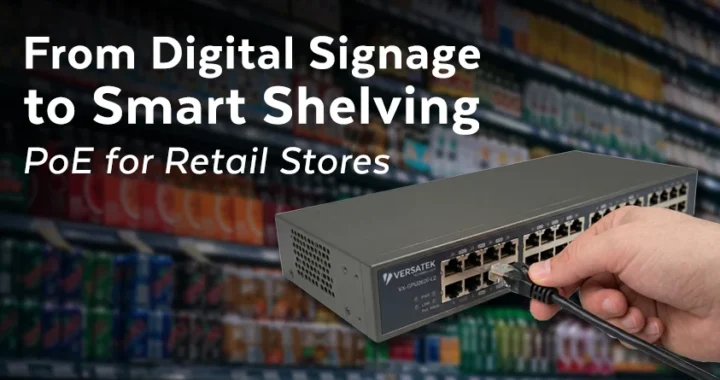
The answer, increasingly, is being found in the infrastructure itself: Power over Ethernet (PoE). By consolidating power and data delivery into a single cable, retailers are building "smart" store ecosystems that are as resilient as they are efficient.
Main Facts: The PoE Paradigm Shift
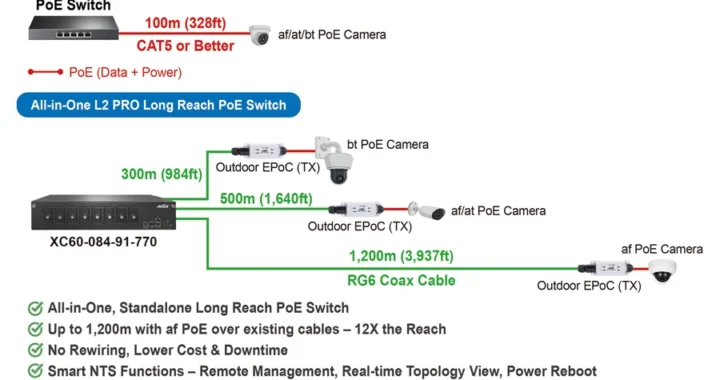
At its core, PoE technology allows both electrical power and data to travel over a single twisted-pair Ethernet cable. This innovation removes the traditional requirement for expensive electrical retrofitting, where every camera, sensor, or kiosk requires a dedicated power outlet.

Modern PoE standards have evolved significantly. Today’s systems can deliver up to 90W of power, sufficient to support high-performance Pan-Tilt-Zoom (PTZ) cameras, sophisticated AI-driven sensors, and high-speed wireless access points. Because these devices can now be placed anywhere the Ethernet network reaches, retailers have unprecedented flexibility in designing their security and service layouts.
Chronology of a Retail Security Crisis
The move toward advanced network-based security is not a matter of luxury; it is a defensive reaction to a deteriorating operational environment.
- 2019 (The Baseline): Retailers operated in a relatively stable environment. While theft existed, it was largely viewed as a manageable cost of doing business.
- 2020–2021 (The Disruption): The global pandemic shifted retail dynamics, forcing a rapid, often haphazard adoption of remote monitoring and contactless technologies.
- 2022–2023 (The Escalation): As stores reopened fully, industry data began to show a dramatic uptick in both the frequency and the hostility of theft. The “smash-and-grab” became a hallmark of the new, more aggressive organized retail crime wave.
- 2024–Present (The Unified Response): Retailers are now pivoting toward long-term, integrated infrastructure. The industry has largely moved away from siloed security (analog cameras and localized alarms) toward centralized, PoE-managed systems that allow for real-time, store-wide oversight.
Supporting Data: The Rising Cost of Inaction
The urgency of this technological shift is underscored by sobering statistics. According to a 2024 survey conducted by the National Retail Federation (NRF), the retail sector is facing an existential threat from theft.

- Shoplifting Surge: Incidents of shoplifting have skyrocketed by 93% compared to pre-COVID levels.
- Financial Impact: Revenue losses associated with these crimes have climbed by 90% since 2019.
- The Violence Factor: Perhaps most concerning to store owners is the human cost. Approximately 90% of retailers surveyed reported a marked increase in violence associated with shoplifting incidents since 2019.
- Organized Retail Crime (ORC): With 62% of stores reporting an increase in ORC incidents—where groups act in coordination to overwhelm staff—the estimated annual cost to the industry has ballooned to $100 billion.
These figures explain why nearly 73% of store managers are actively seeking cost-effective ways to harden their security perimeters without alienating their legitimate customer base.
Official Perspectives: The Role of Industrial Switches
Industry experts emphasize that the strength of a PoE system lies in its management capabilities. Companies like Versa Technology are leading this charge with hardware such as the D62-084-MX-DCP managed PoE switch.
According to technical leads at Versa, the transition to a managed industrial switch is the difference between having a "dumb" network and a "responsive" one. These devices provide:

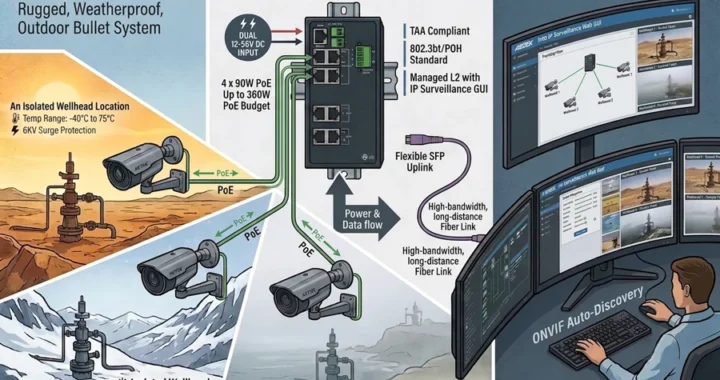
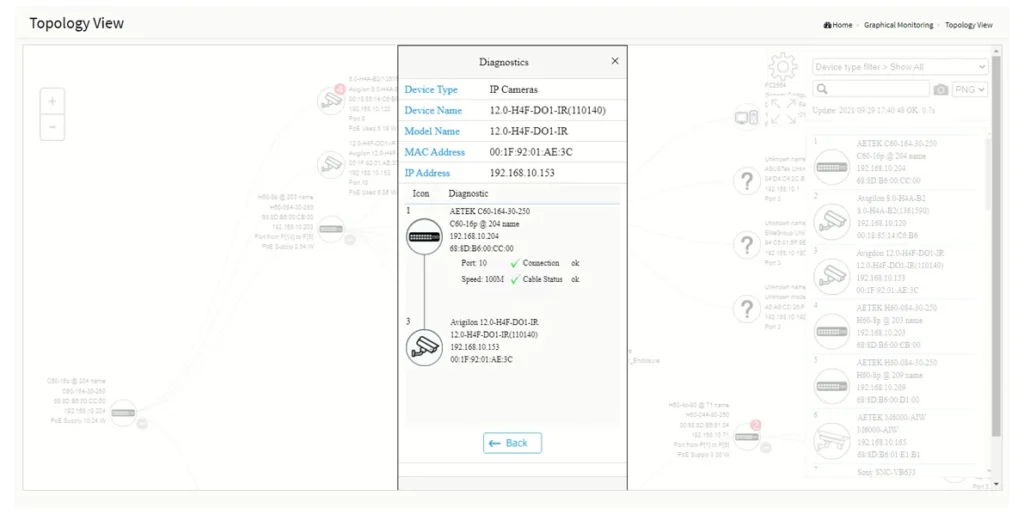
- Auto-Discovery: Using the Open Network Video Interface Forum (ONVIF) protocol, switches automatically recognize and classify connected hardware, from AI cameras to virtual machine software, ensuring seamless integration.
- E-MAP Capabilities: For large-format retailers, the ability to visualize security assets on a topographic or floor-plan map—often integrated with Google Maps—is transformative. It allows for precise planning and rapid response to alerts.
- Remote Management: IT administrators can monitor power consumption per port, toggle devices on and off, or perform remote reboots, minimizing the need for expensive on-site technician visits.
Implications: Beyond Security—The Enhanced Customer Experience
While security is the primary driver for PoE adoption, the secondary benefits are equally compelling. A store with a robust, high-bandwidth PoE backbone is essentially a "smart building."
Price Checking and Real-Time Inventory
Nothing destroys customer trust faster than a price discrepancy at the register or an out-of-stock notification for an item listed as available. PoE-powered scanning stations allow customers to verify pricing instantly. Furthermore, PoE-powered kiosks can bridge the gap between physical and digital inventory, allowing customers to order items for home delivery or store pickup if the shelf is empty, effectively "saving the sale."
Customization and Personalization
The "retailtainment" trend relies on interaction. PoE-powered kiosks enable customers to explore product variations—changing fabrics, colors, or configurations—on high-resolution displays. By linking these kiosks to customer loyalty programs, retailers can provide personalized recommendations based on purchase history, turning a standard shopping trip into a tailored experience.

Resilience Through Power Redundancy
Perhaps the most critical implication of a modern PoE system is its reliability. By connecting PoE switches to an Uninterruptible Power Supply (UPS), retailers ensure that their security infrastructure—including cameras, card readers, and emergency alarms—remains fully operational during a power outage. In a climate where retailers are increasingly vulnerable to both environmental and human-induced disruptions, this "always-on" capability is a vital layer of business continuity.
The Strategic Path Forward
The integration of PoE technology is no longer an optional upgrade; it is a foundational component of modern retail survival. By consolidating power and data, retailers can slash infrastructure costs, improve their security posture against increasingly violent crime, and deploy the high-tech, customer-facing amenities that drive loyalty in a competitive market.
As retailers evaluate their future, the focus must shift from reactive patching to proactive, systemic investment. Whether through the implementation of advanced industrial switches, the adoption of AI-driven video analytics, or the deployment of interactive kiosks, the common denominator is a stable, high-performance network.

Versa Technology remains at the forefront of this evolution, providing the managed and unmanaged industrial switches that form the bedrock of these systems. As the retail sector continues to navigate an uncertain economic landscape, the shift toward a unified, PoE-powered infrastructure offers a clear path toward profitability, security, and a superior customer experience.
For those looking to secure their assets and modernize their operations, the time to assess current network capabilities is now. Contacting specialized suppliers to request a system audit or a quote is the first step toward a more secure and efficient retail future.