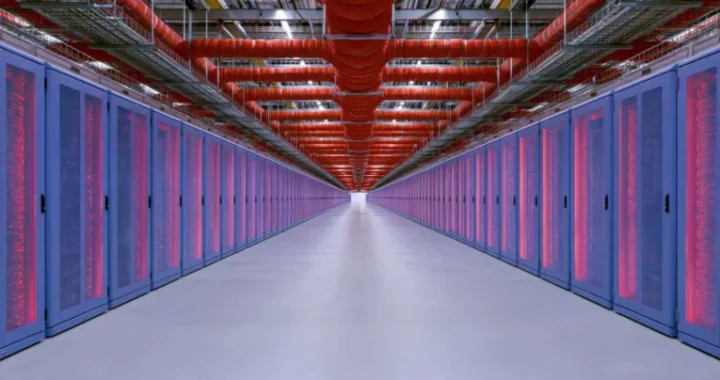








The explosive growth of artificial intelligence (AI), machine learning, and cloud-native services has transformed the modern data center from a mere facility into a critical nerve center of the global economy. As compute-intensive workloads demand higher power densities and increasingly intricate cooling architectures, the margin for error has effectively vanished. In this high-stakes environment, infrastructure failure is no longer just an operational inconvenience—it is a catastrophic financial and reputational event.
Despite the critical nature of these facilities, the industry has historically lacked a unified quality management framework tailored specifically to the physical infrastructure—the power systems, cooling units, and mechanical components that keep the servers running. Addressing this systemic void, the TIA QuEST Forum has introduced DCE 9000, the first quality management system (QMS) standard designed specifically for the data center physical infrastructure lifecycle. By replacing fragmented, proprietary, and often redundant qualification processes with a single, auditable, and consensus-driven standard, DCE 9000 aims to redefine how the industry approaches reliability and speed to market.
The Core Mandate: Why Data Centers Need a New Standard
Existing standards in the ICT sector largely focus on IT hardware, software quality, or broad facility management. However, the physical infrastructure suppliers—those who design, manufacture, and commission the mechanical and electrical backbone of the data center—have operated in a regulatory "no man’s land."
DCE 9000 bridges this gap by establishing a comprehensive lifecycle framework. It covers the entire journey of infrastructure, from initial design and manufacturing to integration, installation, commissioning, and long-term maintenance. The goal is to move the industry toward a "Quality by Design" paradigm, where reliability is baked into the component long before it reaches the data center floor.
Accelerating Growth Through Standardization
A common misconception in engineering and procurement is that standards inherently act as "speed bumps" to innovation and deployment. In the fast-paced world of data center construction, where "speed to revenue" is the primary metric of success, many organizations fear that new requirements will introduce bureaucratic delays.
DCE 9000 challenges this narrative. By creating a common, auditable framework, the standard eliminates the need for the redundant, customer-specific qualification processes that currently plague infrastructure suppliers. When a supplier can meet one universal, high-bar standard, they avoid the "reinventing the wheel" syndrome, allowing for faster procurement and more predictable deployment schedules.
Chronology: A New Model for Standards Development
The development of DCE 9000 represents a departure from the traditional, multi-year standards-writing process. By leveraging agile methodologies and AI-assisted drafting, the TIA QuEST Forum has created a roadmap that prioritizes efficiency without sacrificing technical rigor.
- January 2026: The DCE 9000 Working Group is officially launched by the TIA QuEST Forum.
- Q1–Q3 2026: The Working Group utilizes parallel drafting, with four specialized technical teams working on distinct elements of the standard, supported by coaches to ensure requirements remain practical and auditable.
- September 2026: A unified draft is finalized for member review.
- September 16–17, 2026: The Data Center Excellence Workgroup convenes in Nashville, Tennessee, for a pivotal review session to consolidate findings and refine the draft.
- Q1 2027 (Scheduled): Release 1.0 of the DCE 9000 standard is slated for publication.
This 12-to-15-month development cycle is remarkable when compared to the industry standard. For context, the ongoing revision of ISO 9001—a mature, established framework—began in July 2023 and is not expected to be released until late 2026, a 38-month process. DCE 9000’s agility demonstrates that industry consensus can be reached rapidly when participants are aligned on critical pain points.
Supporting Data: The Voice of the Industry
The success of a standard is measured by its adoption, and early feedback suggests that DCE 9000 is hitting a critical nerve. With over 70 organizations—including hyperscalers like Google, Amazon Web Services, and Oracle, as well as industry stalwarts like Schneider Electric and Johnson Controls—the Working Group represents a cross-section of the entire data center ecosystem.
Key Performance Indicators from Participant Surveys:
- Criticality: 90% of respondents agree that the Working Group is successfully targeting the industry’s most significant failure modes and pain points.
- Value Proposition: Over 70% of participating organizations classify their membership as "very" or "extremely" valuable.
- Collaborative Power: Because TIA QuEST Forum procedures grant every member an equal voice, the standard is being shaped by practical, real-world experience rather than theoretical models.
These metrics underscore a shift in industry mindset: data center leaders are moving away from proprietary "secret sauce" quality processes toward a collaborative, shared baseline that raises the floor for everyone.
Official Perspectives: The Mechanics of Excellence
The leadership team behind DCE 9000 has been explicit about their methodology. They have utilized the ISO Harmonized Structure as the backbone of the standard, ensuring that organizations already compliant with ISO 9001 can integrate DCE 9000 requirements with minimal friction.
The Four Pillars of the Development Process:
- Technical Teams: Four separate groups drafted distinct elements of the standard, ensuring a deep dive into every aspect of infrastructure.
- Measurements Sub-Team: Focused on defining the key performance and operational metrics that will make the standard auditable and objective.
- Code of Practice Sub-Team: Tasked with building the certification scheme and ensuring that auditors are properly trained and qualified to assess compliance.
- Training Sub-Team: Developing comprehensive educational resources to ensure that executives and professionals understand how to implement the standard effectively.
By involving these sub-teams early, the TIA QuEST Forum is ensuring that DCE 9000 is not just a document, but a functional tool for operational improvement.
Implications: The Long-Term Impact on Data Center Infrastructure
The implications of DCE 9000 extend far beyond the initial release. By creating a common language for quality, the standard will likely influence everything from insurance premiums to procurement contracts.
Reduced Schedule Risk
The most immediate impact will be felt on the construction site. By building quality into the design and manufacturing phase, projects can expect a significant reduction in rework. When equipment arrives on-site pre-validated against a global quality standard, the commissioning process becomes faster and less prone to the "surprises" that often push data center projects over budget and behind schedule.
An Evolving Standard
The TIA QuEST Forum has designed DCE 9000 to be a "living" standard. It is not intended to be a static document that is revisited every decade. Instead, the leadership expects the standard to evolve alongside the technology. As AI architectures shift toward liquid cooling or higher-density racks, the standard will be updated to reflect these new quality risks.
Crucially, the decision to update the standard will be driven by industry needs, not by a fixed calendar. This responsiveness ensures that the standard remains relevant in an era of rapid technological disruption.
Shaping the Future
The release of DCE 9000 in Q1 2027 is only the beginning. The TIA QuEST Forum is currently preparing a white paper exploring how the use of AI tools and agile methodologies can be replicated across other sectors. However, for the data center industry, the call to action is clear.
For the infrastructure providers and data center operators who want to ensure they are at the forefront of this shift, the time to engage is now. Participation in the DCE 9000 Working Group provides more than just a seat at the table; it provides the ability to define the requirements that will govern the industry for decades to come.
As the world continues to migrate its digital life into the cloud, the infrastructure supporting that migration must be rock-solid. With DCE 9000, the data center industry is finally building the foundation it needs to support the next generation of global innovation.
For organizations interested in contributing to the evolution of data center quality, contact the TIA Membership Team at [email protected] to learn how to join the TIA QuEST Forum.