






As the global race to deploy Artificial Intelligence (AI) intensifies, the narrative surrounding technological advancement has shifted from mere processing power to the integrity of the underlying architecture. Nations are no longer just competing on algorithms; they are competing on the security and reliability of the digital foundations upon which these algorithms run. In this high-stakes environment, the choice of Information and Communications Technology (ICT) vendors has emerged as a primary determinant of national security, economic sovereignty, and long-term innovation.
Main Facts: The Strategic Imperative of Trusted Infrastructure
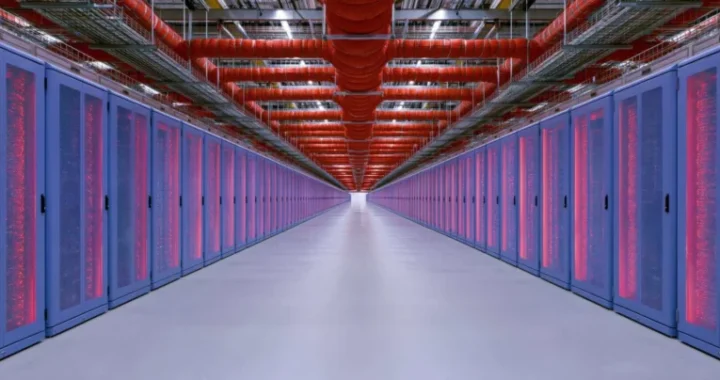
At the core of the modern digital landscape lies a fundamental truth: AI is not a standalone software miracle; it is an ecosystem that relies on robust, secure, and resilient infrastructure. This includes global fiber-optic networks, hyper-scale data centers, cloud platforms, and advanced communications systems. These are not interchangeable commodities. They are the "systems of trust" that dictate how data—the lifeblood of AI—is handled, protected, and analyzed.
The Telecommunications Industry Association (TIA) and various international policy bodies have highlighted that for governments aiming to build AI-driven economies, selecting "trusted vendors" is a strategic necessity. A trusted vendor is defined not merely by technical specifications, but by a commitment to governance, accountability, and transparency. In an era where data manipulation or network backdoors could paralyze a nation’s critical infrastructure, the provenance of technology is as important as its performance.
Chronology: The Evolution of Trusted ICT Standards
The global conversation around trusted vendors has evolved rapidly over the last several years, moving from niche security discussions to central pillars of foreign policy and trade:
- 2018–2019: Growing international concern regarding the security of 5G infrastructure leads to a series of investigations into state-backed technology firms. Governments begin to recognize that "vendor neutrality" is insufficient when the vendor is beholden to a foreign authoritarian legal system.
- 2020: The Center for Strategic and International Studies (CSIS) convenes an international panel of experts to codify what constitutes a "trusted vendor." This marks the birth of a standardized, consensus-based definition rooted in democratic values.
- 2021–2022: The United States and its allies formalize the "Clean Network" principles, focusing on excluding high-risk vendors from sensitive networks. The emphasis shifts toward fostering open-architecture solutions that promote interoperability.
- 2023–2024: The focus broadens from 5G to the AI stack. Policy initiatives, such as the reciprocal trade agreements with El Salvador and Guatemala, demonstrate that the "Trusted Vendor" mandate is now a standard component of U.S. international economic development packages.
Supporting Data: Defining the Trusted Vendor
The consensus developed by the CSIS and adopted by democratic nations outlines a framework where trust is systemic. It is not about the speed of a processor or the capacity of a server; it is about the legal and institutional environment in which the vendor operates.
A trusted vendor is characterized by:
- Jurisdictional Integrity: The company is headquartered in a nation with a robust, independent judiciary and clear protections for intellectual property.
- Corporate Governance: The vendor operates under transparent reporting requirements, preventing state-directed interference in corporate operations.
- Accountability: The firm is subject to enforceable, public-law-based accountability, allowing for legal recourse in the event of security breaches or contract violations.
- Supply Chain Transparency: A demonstrated history of ethical sourcing and a commitment to security-by-design, ensuring that hardware and software are not compromised at the point of manufacture.
These criteria underscore that trust is rooted in legal frameworks rather than speculative technical features. A product may appear functional on a specification sheet, but without the backing of a transparent legal system, that product represents a systemic risk.
Official Responses and Diplomatic Alignment
The Biden Administration, alongside key figures like former Office of Science and Technology Policy (OSTP) Director Michael Kratsios, has championed a proactive stance on this issue. The strategy is twofold: domestic investment and international alignment.
By embedding "trusted vendor" requirements into trade agreements, the U.S. is not merely excluding competitors; it is building a "trusted bloc" of interoperable nations. This approach, championed by TIA and its partners, seeks to ensure that as developing nations build their digital capacity, they are not inadvertently tying their national security to infrastructures that could be compromised by foreign actors.
Official policy discourse emphasizes that democratic governance is a force multiplier for innovation. Transparent regulatory systems and enforceable contracts create a stable environment for R&D. When a company knows its technology will be protected by the rule of law rather than expropriated or surveilled, it is more likely to innovate. Consequently, allied nations benefit from a "network effect" of security, where interoperable, trusted systems allow for the secure sharing of data and intelligence across borders.
Implications: The Future of AI and Sovereignty
The implications of this shift are profound, affecting every level of the digital economy.
1. The Death of "Vendor Lock-in"
One of the most critical implications of the "Trusted Vendor" movement is the renewed emphasis on interoperability. Historically, proprietary systems were used to lock customers into a single ecosystem. Today, the push for open, interoperable standards—such as Open RAN (Radio Access Network)—prevents vendor lock-in. This competition fosters a more dynamic, innovative, and resilient marketplace where governments can swap out components if security concerns arise, without dismantling their entire digital architecture.
2. Sovereignty Through Design
A common misconception is that restricting vendor choice limits sovereignty. In fact, the opposite is true. True digital sovereignty involves owning and operating infrastructure that is not subject to external "backdoor" control. By utilizing trusted vendors, nations ensure that their critical AI infrastructure remains under the control of lawful, accountable institutions. This provides the foundational security necessary to host sensitive national data, such as healthcare records, judicial archives, and military communication, without fear of illicit exfiltration.
3. Economic Resilience and National Competitiveness
Nations that prioritize trusted infrastructure are creating a "future-ready" ecosystem. As AI begins to automate everything from logistics to urban planning, the cost of a catastrophic infrastructure failure will become unmanageable. By building on trusted foundations today, these nations are future-proofing their economies against systemic shocks. Furthermore, they are signaling to global investors that their digital environment is a safe harbor for innovation.
4. Embedding Trust into Design
The TIA’s perspective is clear: trust cannot be "patched" into a system after the fact. It must be embedded into the design, governance, and execution of every digital project. This means that from the moment a new fiber line is laid or a new cloud cluster is configured, security and accountability must be the primary considerations.
Conclusion: The Path Forward
The global race for AI is not a sprint; it is a long-term architectural project. As AI becomes increasingly central to national competitiveness and societal well-being, the fundamental question for leaders is no longer if they should deploy AI, but how they will ensure that the infrastructure supporting it remains secure and accountable.
Trusted ICT vendors provide the necessary foundation for this future. By favoring vendors that operate within transparent, democratic, and rule-of-law-based environments, nations are choosing to build on bedrock rather than sand. As the world stands on the precipice of an AI-driven revolution, the commitment to these principles will define which nations flourish in the decades to come—and which find themselves vulnerable to the unseen risks of compromised digital infrastructure.
The message for policy makers and industry leaders is consistent: resilient digital infrastructure is the prerequisite for any AI ambition. By embedding trust into the very design of our global communications networks, we ensure that the digital future is not just faster and more capable, but fundamentally secure, open, and ready for the challenges of the next century.