




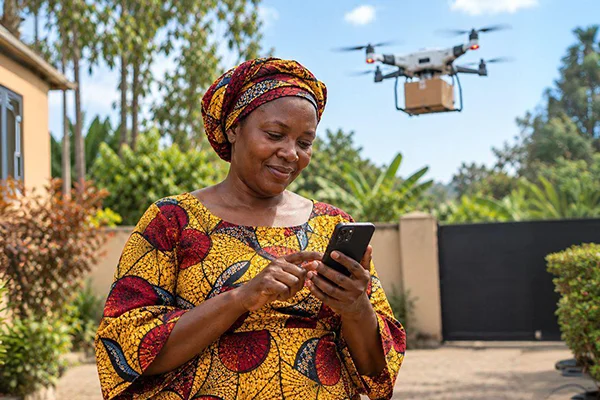
KIGALI, 17 September 2026 – Rwanda, a nation celebrated for its rapid technological strides, stands at a critical juncture in its digital evolution. While the country has successfully blanketed the vast majority of its geography with high-speed mobile network infrastructure, a new report from the GSMA—the global organization representing the interests of mobile network operators—reveals a stark paradox: the "usage gap."
According to the report, Rwanda Digital Economy: Policy reforms that will drive Rwanda’s digital future, while 99% of the population is covered by 3G and 96% by 4G, only 21% were unique mobile internet subscribers as of 2025. To address this, the GSMA has unveiled a comprehensive strategic roadmap that could bring over 1 million additional Rwandans online by 2031, effectively transforming the nation’s digital landscape and bolstering its Vision 2050 development goals.
The Core Challenge: Beyond Coverage
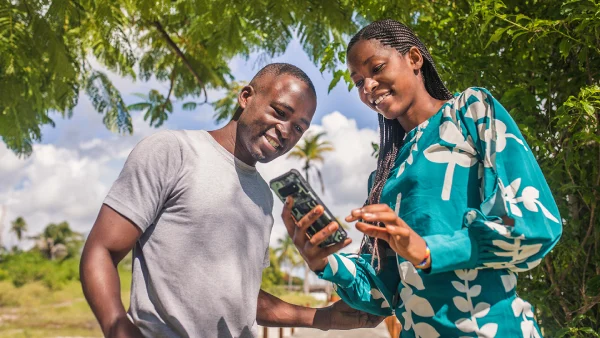
The digital divide in Rwanda is no longer primarily a challenge of infrastructure; it is a challenge of accessibility and utility. Despite East Africa’s most competitive mobile data pricing, the barrier to entry remains prohibitively high for the rural poor and lower-income urban households.
The GSMA’s findings identify three primary "friction points" preventing widespread adoption:
- Device Affordability: The high cost of entry-level smartphones prevents a significant segment of the population from accessing the internet.
- Digital Literacy: A lack of foundational skills prevents citizens from navigating digital interfaces with confidence.
- Content Relevance: For many, the internet is perceived as a luxury rather than a tool, as the current digital ecosystem lacks localized content that addresses daily needs like agriculture, maternal health, or small-scale commerce.
Chronology: From Infrastructure to Inclusion
Rwanda’s journey toward a digital economy has been characterized by aggressive policy interventions and a commitment to modernization.
- 2010–2020: Building the Backbone: During the previous decade, Rwanda focused on fiber-optic rollouts and the expansion of mobile tower infrastructure. This era saw the country cement its status as a regional tech hub, with government services moving online through the Irembo platform.
- 2023: The Strategic Pivot: Recognizing that infrastructure was not translating into universal usage, the government began shifting its focus from supply-side deployment to demand-side stimulation, integrating digital inclusion into the Second National Strategy for Transformation (NST2).
- 2025: The Usage Gap Analysis: Data confirms that while connectivity is ubiquitous, usage remains low, prompting the collaborative effort between the GSMA and local stakeholders to identify the root causes.
- 2026: The Roadmap Release: The publication of the GSMA’s report on 17 September 2026 provides the quantitative and qualitative evidence required to shift policy toward affordability and utility.
- 2031: The Target Horizon: Through the implementation of the recommended reforms, the GSMA projects a 22.1% increase in mobile internet adoption compared to a "business-as-usual" scenario.
Supporting Data and Economic Projections
The GSMA report does not merely argue for social equity; it provides a compelling economic rationale. The study estimates that by addressing the barriers to connectivity, the resulting economic activity and increased digital adoption could yield a net annual fiscal benefit of RWF 218 billion by 2031.
Table: Projected Impact of Proposed Reforms
| Metric | Baseline (2025) | Projected (2031) |
|---|---|---|
| Unique Mobile Internet Subscribers | 21% | ~43% (estimated gain of 1.07M) |
| 4G Coverage | 96% | Near 100% |
| Estimated Annual Fiscal Benefit | – | RWF 218 Billion |
These figures are predicated on the assumption that policymakers will enact targeted tax reductions on low-cost devices and incentivize private sector investment in rural network sustainability. The GSMA argues that the tax revenue lost from lower device levies would be dwarfed by the broader tax base generated by a digitizing economy.
The Global Context: The AI Divide
The struggle for connectivity in Rwanda is mirrored globally. In a parallel release, the GSMA has issued a stern warning regarding an "emerging global AI divide." As smartphone component costs—particularly memory and chipsets—soar, entry-level devices are becoming harder to manufacture at low price points.
"Rising component costs risk putting smartphones and access to emerging AI tools further out of reach," the GSMA warned. For a country like Rwanda, this means that if policy measures are not taken now, the most advanced digital services—which could revolutionize local agriculture or public health via AI-driven diagnostics—will remain inaccessible to the very people who need them most.
Official Responses: A Call for Coordinated Action
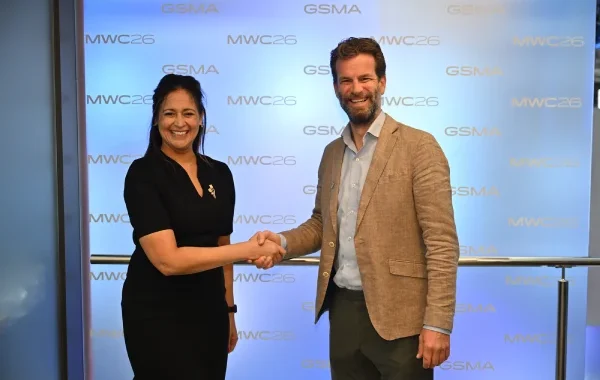
Angela Wamola, Head of Africa at the GSMA, emphasized that the transition from a connected nation to a digitally integrated society requires a multi-stakeholder approach.
"Rwanda has built a strong digital foundation, but too many people still face barriers to using it," Wamola stated. "The next step is to make smartphones more affordable and ensure people have the skills and confidence to access services that matter to them. By focusing on the needs of lower-income and rural households, Rwanda can help more people benefit from connectivity and participate in its digital future."
Government officials are expected to review the report’s four-pillar framework, which calls for:
- Fiscal Incentives: Reducing the cost burden on entry-level handsets through VAT exemptions or smart-tax policies.
- Skills Development: Scaling digital literacy programs that move beyond basic usage to focus on financial, educational, and entrepreneurial digital skills.
- Localized Content: Incentivizing the development of "hyper-local" digital services in Kinyarwanda that offer practical utility for farmers, traders, and students.
- Sustainable Investment: Ensuring that network operators can continue to invest in rural areas where the return on investment is lower, potentially through public-private partnerships or Universal Service Fund (USF) reforms.
Implications for Rwanda’s Digital Future
The implications of this report are far-reaching. If successful, the path to 2031 will see Rwanda move from a country where the internet is a tool for the urban professional to one where it is a public utility for all citizens.
Social Impact: Empowerment and Healthcare
By integrating health services into the digital ecosystem, the government can leverage mobile connectivity to provide remote diagnostics and health information to rural communities. Similarly, the agricultural sector, which employs the majority of the population, stands to benefit from real-time market data and weather patterns delivered directly to the farmers’ mobile devices.
Economic Impact: The Formalization of the Informal Sector
A significant portion of Rwanda’s economy remains informal. Widespread mobile internet access acts as a bridge to formal banking and credit facilities. When a small-scale trader can access digital payments and micro-insurance, they are effectively brought into the formal financial ecosystem, providing them with the stability needed to grow their businesses.
The Governance Mandate
For the administration in Kigali, the GSMA roadmap serves as a blueprint for meeting the targets set out in Vision 2050. The National Broadband Policy and Strategy are now tasked with the heavy lifting of translating these recommendations into legislative action. The challenge, however, will be maintaining the balance between encouraging private sector investment and ensuring that the needs of the marginalized are prioritized.
Conclusion: The Road Ahead
The "usage gap" is not an insurmountable hurdle, but it is a stubborn one. As the global digital ecosystem pivots toward more complex technologies, Rwanda’s ability to ensure its citizens are not left behind will be a defining feature of its development trajectory.
The GSMA’s 2026 report is more than a list of statistics; it is a call to action for government, telecommunications operators, and handset manufacturers to align their efforts. If the stakeholders can mobilize the required investment and policy reforms, the 1.07 million new users projected for 2031 will not just be numbers on a page—they will be the engine of a new, inclusive Rwandan digital economy.
As Rwanda moves toward this target, the world will be watching, as the nation’s success in closing its digital usage gap could serve as a model for other emerging economies facing similar challenges in an increasingly connected, yet unequal, global landscape.
About the GSMA
The GSMA is a global organization unifying the mobile ecosystem to discover, develop, and deliver innovation foundational to positive business environments and societal change. The organization represents mobile operators and organizations across the mobile ecosystem, advancing policy, tackling societal challenges, and underpinning the technology that makes modern connectivity possible. Through its MWC and M360 series of events, the GSMA remains the largest platform for convening the mobile ecosystem. For more information, visit gsma.com.