




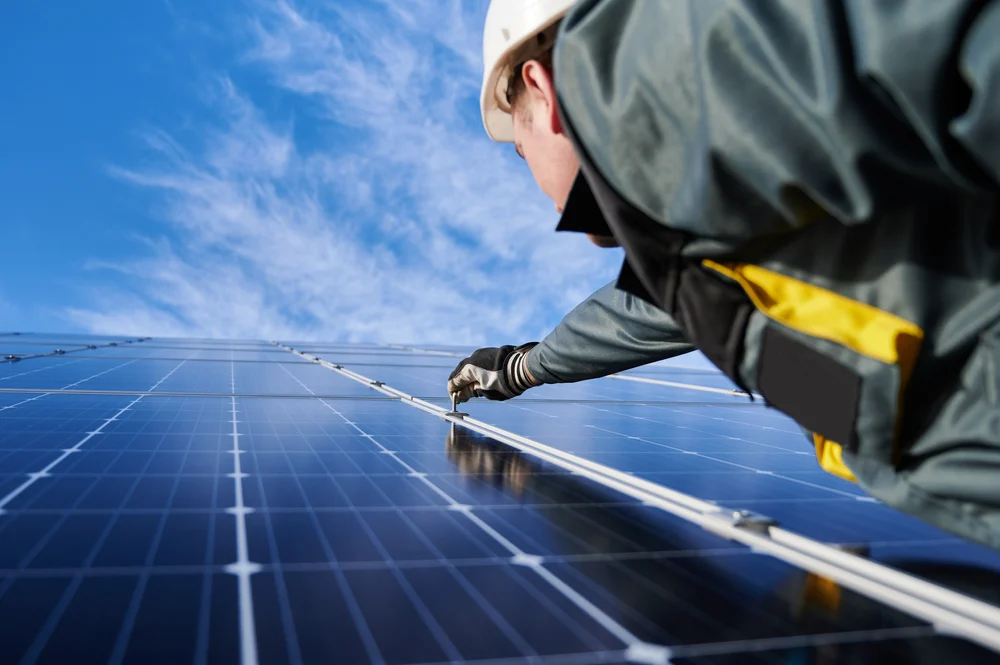
The global transition toward renewable energy is no longer a speculative trend; it is an economic juggernaut. With the solar industry in the United States projected to double in valuation, reaching an estimated $114 billion by 2031, the electrical supply chain is undergoing a fundamental shift. For electrical distributors, the question is no longer whether to enter the solar market, but how to do so with maximum profitability and operational efficiency.
While solar panels often capture the headlines, the true backbone of the industry lies in the "Balance of System" (BOS)—the critical components that connect, protect, and ground solar installations. Industry leaders like NSI are currently positioning themselves at the forefront of this movement, providing the essential infrastructure that ensures the longevity and safety of renewable energy projects.
The State of the Industry: Growth and Market Dynamics
The solar sector is currently experiencing a "perfect storm" of favorable conditions. Government incentives, such as the Inflation Reduction Act, have accelerated domestic deployment, while technological advancements have made solar arrays more efficient than ever. As panel costs continue to decline, the market is shifting focus toward installation quality and long-term system reliability.
For distributors, this growth represents a unique opportunity. While margins on high-ticket items like photovoltaic (PV) panels can be volatile and thin due to global supply chain pressures, BOS components remain a stable, high-margin necessity. Because a solar system is only as reliable as its weakest connection, installers are increasingly prioritizing the quality of the "invisible" components—the conduits, clamps, and grounding hardware that hold the system together.
Understanding the Solar Architecture: The Role of BOS
To effectively service the solar market, distributors must understand the anatomy of an installation. A standard solar project is comprised of three distinct segments:
- The Source: The photovoltaic panels that harvest sunlight.
- The Grid: The interface that integrates the power into the existing electrical infrastructure.
- The Balance of System (BOS): The critical link between the two.
BOS is an umbrella term that encompasses every component required to manage, protect, and regulate the electrical flow. This includes cable management systems, specialized conduit fittings, raintight seals, and, most importantly, the equipment required for bonding and grounding.
Why BOS is the Distributor’s Secret Weapon
Unlike panels, which require massive warehouse space and carry significant shipping risks, BOS components are compact, easy to stock, and essential for every project. Furthermore, because BOS hardware is required for every installation—regardless of whether it is a residential rooftop or a utility-scale solar farm—it creates a reliable, repeatable revenue stream. NSI, a leader in this space, has oriented its entire product strategy around these components, recognizing that while the "panel" market fluctuates, the "protection" market is a constant requirement for professional electrical contractors.
A Chronology of the Solar Integration Strategy
The integration of solar products into the standard electrical distribution catalog has evolved through three distinct phases:
- Phase I: The Niche Era (2000–2010): Solar was largely relegated to specialty renewable energy firms. Electrical distributors primarily viewed these projects as "special orders" rather than core inventory.
- Phase II: The Professionalization Era (2011–2020): As solar moved into the mainstream, installation standards became more rigorous. Electrical inspectors began enforcing stricter adherence to the National Electrical Code (NEC), necessitating the use of certified, high-quality grounding and bonding hardware. Distributors began to carry basic solar-rated components.
- Phase III: The System-Wide Integration Era (2021–Present): Today, we are in the age of full-scale integration. Distributors are now expected to provide a complete "one-stop-shop" experience. The most successful distributors are those who curate comprehensive BOS kits, allowing contractors to source their wire management, protection, and termination needs from a single partner.
Supporting Data: Why Quality Matters in BOS
The longevity of a solar system is typically rated for 20 to 25 years. This longevity mandate changes the purchasing behavior of installers. A system that fails after five years due to a faulty ground connection or a corroded fitting represents a significant financial and reputational liability for the installer.
According to industry data, the "cost of failure" for BOS components is disproportionately high. While a connector might cost a few dollars, the labor required to troubleshoot and replace that connector on a roof or in a field-scale array can cost hundreds. Consequently, installers are moving away from "value-engineered" generic parts in favor of high-quality, code-compliant components from established brands like NSI.
Key performance indicators (KPIs) for BOS components include:
- Environmental Resilience: Ability to withstand UV radiation and extreme thermal cycling.
- Mechanical Integrity: Resistance to physical threats, such as rodent damage or wind-induced vibration.
- Code Compliance: Meeting or exceeding NEC and NFPA standards for grounding and bonding.
Official Perspectives: The NSI Strategy
NSI’s approach to the market is centered on simplifying the supply chain for distributors. By focusing on products like the 162-G series grounding locknuts and specialized raintight reducing washers, NSI allows distributors to consolidate their inventory.
"Distributors don’t want to manage fifty different vendors for one solar project," notes a senior representative from NSI. "By providing a deep, diverse range of BOS components, we empower the distributor to become the local expert. When a contractor walks into a branch, they shouldn’t just be buying parts; they should be buying a solution that guarantees their system will pass inspection on the first attempt."
NSI emphasizes that regional needs vary significantly. In the high-heat climates of the Southwest, the use of EMT (Electrical Metallic Tubing) to protect conductors from UV degradation is mandatory, whereas other regions may prioritize moisture-tight sealings. By leveraging the expertise of local NSI sales representatives, distributors can curate a local stock that specifically matches the environmental and regulatory requirements of their territory.
Implications for the Future of Distribution
The rise of the solar industry forces a change in how electrical distributors operate. It is no longer sufficient to be a "box mover." The distributor of the future must act as a consultant.
1. The One-Stop-Shop Mandate
Contractors are time-poor. The distributor that can provide the panels, the inverters, and the full suite of BOS hardware—from the grounding lugs to the conduit fittings—wins the contract. NSI’s product portfolio, which includes everything from raintight reducing washers to sophisticated bonding hardware, is designed to minimize the number of orders a distributor needs to place.
2. Regulatory Compliance as a Sales Tool
As electrical codes become more stringent, the distributor’s role in vetting products for NEC compliance becomes a value-add service. By stocking only high-quality, code-ready BOS components, distributors protect their customers from the risk of failed inspections and costly rework.
3. Inventory Efficiency
Efficiency in stocking is the key to profitability. By focusing on high-turnover BOS components rather than bulky, depreciating solar panels, distributors can improve their inventory turns. NSI’s focus on versatile products—such as their reducing washers that convert European conduit standards to American knockouts—allows distributors to stock fewer SKUs while covering a wider range of applications.
Conclusion: Seizing the Opportunity
The solar revolution is providing a unique inflection point for the electrical industry. As the $114 billion projection for 2031 looms on the horizon, the distributors who align themselves with reliable, forward-thinking partners like NSI will define the market landscape.
By focusing on the "Balance of System," distributors can ensure that they remain essential to the construction process. The panels may generate the power, but the BOS components provide the safety, durability, and reliability that make the power viable. In this new era, the most profitable electrical supply houses will be those that view themselves not just as retailers, but as essential architects of the modern energy grid.
To thrive in the coming decade, distributors must act now. Engage with your local sales representatives, evaluate your current inventory, and transition toward a model that prioritizes the high-quality, high-margin BOS components that today’s solar installers demand. The future of energy is being built today—ensure your business is at the center of it.