





In an era where the digital wallet has become the primary vault for personal and corporate wealth, cybercriminals are increasingly refining their tools to breach the perimeter of mobile and desktop security. This week, cybersecurity researchers have unveiled a concerning evolution in the landscape of banking trojans. From hybrid Android malware that utilizes mesh-networking to evade detection, to decade-old Windows threats leveraging sophisticated DLL sideloading, the threat actors behind these campaigns are demonstrating unprecedented levels of technical agility and strategic ambition.
As cybersecurity firms such as ThreatFabric, Acronis, and Zimperium release their latest findings, it is clear that the financial sector remains the primary target for organized digital crime. These malicious programs do more than steal credentials; they grant attackers the ability to bypass multi-factor authentication (MFA), manipulate real-time banking transactions, and harvest sensitive personal data from the devices we rely on for our daily lives.
Main Facts: The Triple Threat to Global Finance
The current threat landscape is characterized by three distinct, highly aggressive malware families, each representing a different facet of the evolving cyber-adversary toolkit.
Manic: The Hybrid Spyware-Banking Threat
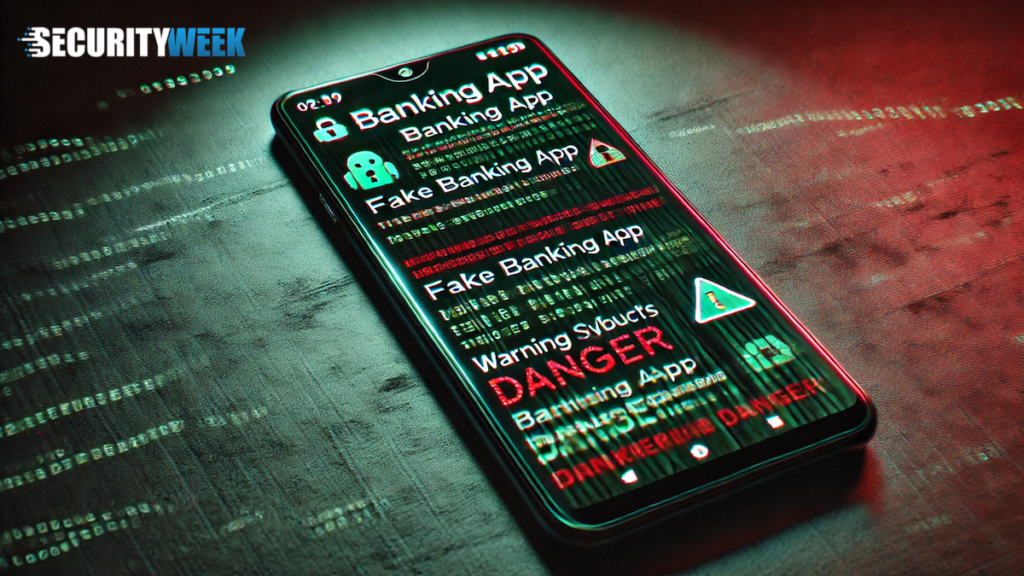
ThreatFabric’s recent analysis of the "Manic" Android malware paints a grim picture of modern mobile threats. Manic is not merely a banking trojan; it is a sophisticated hybrid that combines the illicit financial capabilities of a trojan with the invasive surveillance powers of high-end spyware. By deploying Manic, threat actors gain a persistent foothold in a device, allowing for keystroke logging, the injection of fraudulent phishing overlays, and the remote manipulation of banking and cryptocurrency applications.
Grandoreiro: The Ten-Year Veteran
While many malware strains emerge and vanish within months, the Grandoreiro banking trojan has defied multiple law enforcement takedown efforts over the last decade. Originating in Brazil, this Windows-based threat has successfully expanded its reach across Latin America, North America, and Europe. Its longevity is largely attributed to its constant evolution—most recently utilizing DLL sideloading techniques that allow it to masquerade as legitimate software, such as the Duplicate Files Finder (DFF) application.
ToxicPanda 2.0: The Scaling Menace
Zimperium’s report on ToxicPanda 2.0 highlights the dangerous trend of rapid feature expansion. While its predecessor targeted a modest 16 financial applications, the 2.0 variant has expanded its target list to nearly 350 applications across 16 countries. By leveraging cloud infrastructure—specifically Amazon AWS-hosted buckets—for malware distribution, the operators behind ToxicPanda have significantly increased their capacity to strike at scale.
Chronology of Escalation
The persistence of these threats is not accidental; it is the result of a calculated, multi-year maturation process by cybercrime syndicates.
- 2014–2018 (The Formative Years): Grandoreiro begins its life in Brazil, primarily focusing on domestic financial institutions. During this period, banking trojans were largely rudimentary, relying on simple keyloggers and basic screen-scraping techniques.
- 2019–2022 (Geographic Expansion): Recognizing the limitations of local markets, operators of trojans like Grandoreiro began internationalizing their command-and-control (C2) infrastructure. Simultaneously, the rise of mobile banking prompted a shift toward Android-based threats.
- 2023 (Strategic Pivots): Researchers observed a marked shift in distribution tactics. Malware began incorporating anti-analysis and anti-sandbox features, making it harder for security software to identify malicious behavior before it could execute.
- 2024 (The Current State): We are now witnessing the "Professionalization Phase." Malware families like Manic are incorporating mesh-relay technologies for offline data exfiltration, while ToxicPanda 2.0 utilizes sophisticated shell-level access to compromise the integrity of the operating system itself.
Supporting Data: By the Numbers
The scale of these campaigns is reflected in the technical specifications and target breadth identified by security researchers:
- ToxicPanda 2.0 Reach: The updated malware now supports 167 distinct remote commands, allowing operators to execute highly specific instructions ranging from intercepting SMS messages to fully hijacking banking sessions.
- Target Diversity: ToxicPanda 2.0 now monitors nearly 350 financial applications across 16 countries, including emerging markets such as Nigeria, South Africa, and Indonesia, alongside established economies in Europe.
- Mesh-Relay Efficiency: The Manic malware’s ability to use Bluetooth or Wi-Fi Direct to relay data through nearby infected devices represents a paradigm shift. It allows attackers to circumvent traditional network-level security monitoring by creating a "shadow" network for data exfiltration.
- Anti-Analysis Persistence: Acronis noted that Grandoreiro samples now perform rigorous environment profiling—including checking for virtual machine artifacts and process blacklisting—before establishing a C2 connection, ensuring that the malicious code remains dormant if it senses the presence of a security researcher.
Official Responses and Industry Vigilance
The cybersecurity industry has responded with a call for heightened vigilance and a shift in how financial institutions protect their customers.
The Vendor Perspective
"The ability of these malware families to evade automated analysis is a high priority for the attackers," notes the Acronis Threat Research Unit. Their findings emphasize that financial institutions must move beyond static defenses. The recommendation is to implement behavioral analysis that can detect the signs of infection—such as unauthorized DLL loading—rather than relying solely on file-based signatures.
Security Firm Recommendations
Zimperium and ThreatFabric have both issued guidance for both individual users and enterprises:
- Mobile Hygiene: Users should avoid sideloading applications from third-party websites. Even if a site appears legitimate, it may be a front for a dropper campaign.
- Cloud Infrastructure Monitoring: For enterprises, the use of legitimate cloud storage providers (like AWS) by attackers to host malware highlights the need for strict URL filtering and traffic inspection.
- Advanced Endpoint Detection (EDR): Companies should deploy EDR solutions that are capable of monitoring for privilege escalation attempts, such as the abuse of Android Wireless Debugging (ADB).
Implications for the Financial Sector
The implications of this ongoing surge are profound, affecting everything from individual consumer trust to the regulatory requirements of global banks.
The Erosion of Trust
When banking trojans successfully intercept credentials, the result is often the permanent loss of funds and the compromise of personal identity. As these threats grow more sophisticated, the "burden of security" is increasingly falling on the consumer. If users perceive mobile banking as inherently unsafe due to persistent malware campaigns, the adoption of digital financial services could stagnate.
The "Arms Race" of Infrastructure
The transition of malware distribution to cloud-native platforms like Amazon AWS signifies an "arms race." Attackers are utilizing the same high-availability infrastructure as the institutions they target. This makes it difficult for traditional IP-based blocking to be effective, as the attackers can rotate their infrastructure within minutes, effectively blending in with legitimate web traffic.
Regulatory and Legal Challenges
The cross-border nature of these threats poses a significant challenge to law enforcement. A trojan developed in Brazil, hosted in a US-based cloud bucket, and attacking a user in Ukraine creates a jurisdictional nightmare. This necessitates a more collaborative approach between global law enforcement agencies and the private sector, as unilateral takedown efforts—as seen with the repeated attempts to neutralize Grandoreiro—have proven only partially effective.
The Future of Mobile Security
The integration of mesh-networking capabilities into mobile malware (as seen with Manic) suggests that we are entering a new era of "disconnected" threats. If malware can exfiltrate data through secondary channels like Bluetooth, traditional firewalls and network monitoring tools will become obsolete for mobile security. The future of protection will likely lie in on-device AI-driven behavioral analysis, which can identify anomalous patterns regardless of the network or the communication protocol used.
Conclusion
The evolution of banking trojans like Manic, Grandoreiro, and ToxicPanda 2.0 is a sobering reminder that the digital battlefield is never static. As security professionals patch vulnerabilities, attackers innovate to find new vectors—whether through DLL sideloading, cloud-hosted delivery, or mesh-relay exfiltration. The financial sector must recognize that these threats are not isolated incidents but part of a persistent, evolving campaign against the global economy. By fostering deeper cooperation between security researchers, law enforcement, and financial service providers, the industry can hope to stay one step ahead of the adversaries who seek to undermine the security of our digital lives.