





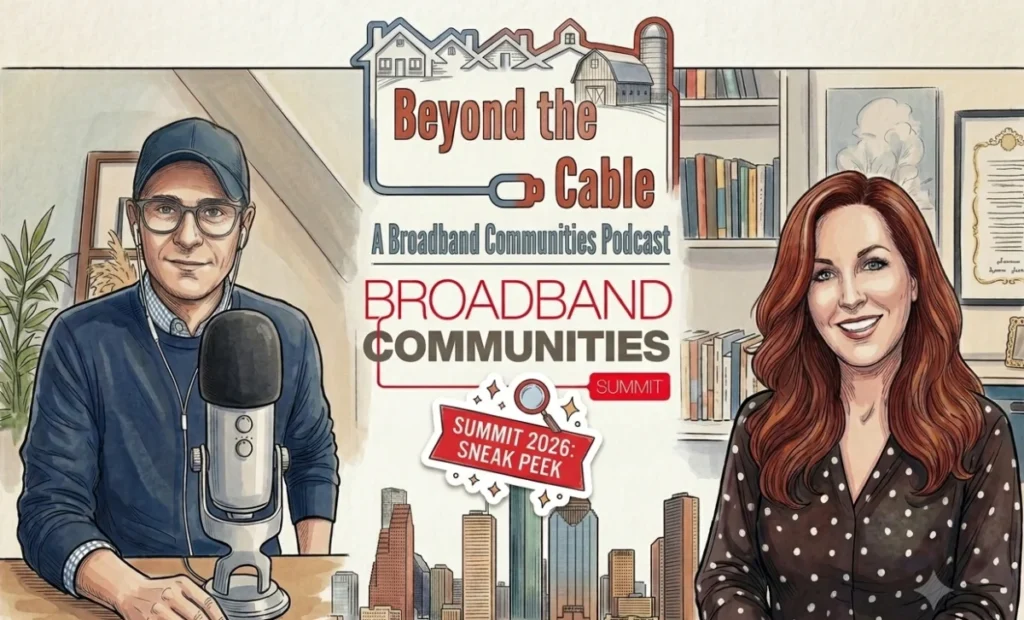
The intersection of real estate and telecommunications has never been more critical than it is today. As we look toward the Broadband Communities Summit 2026, scheduled to take place in the heart of Houston, Texas, the stakes for multifamily owners and operators have reached a fever pitch. At the center of this dialogue is the Multifamily Town Hall, a cornerstone event designed to dissect the complexities of providing high-speed, reliable connectivity to millions of apartment dwellers across the United States. Sponsored by AT&T Connected Communities, this year’s summit promises to be a pivotal moment for an industry grappling with rapid technological shifts and a tightening regulatory environment.
Main Facts: The Nexus of Connectivity and Real Estate
The Broadband Communities Summit has long served as the premier event for property owners, developers, technology providers, and legal experts. In 2026, the George R. Brown Convention Center in Houston will host the event, with a specific focus on the "Multifamily Track." This track is curated to address the unique challenges of Multi-Dwelling Units (MDUs), where the demand for bandwidth often outstrips the existing infrastructure.
The highlight of the opening day is the Multifamily Town Hall, scheduled for 11:30 a.m. on August 26. This session is widely regarded as the "bellwether" for the rest of the conference. According to Valerie Sargent, a renowned multifamily correspondent and advisor for the summit, the Town Hall is where the most pressing issues are first aired, often setting the stage for the technical and legal discussions that follow.
The 2026 Town Hall features a powerhouse lineup:
- Moderator: Matt Ames, Partner at Hubacher Ames & Taylor.
- Key Panelists: Elizabeth Parks, President and CMO of Parks Associates, and Dom Beveridge, Founder of 20 for 20.
The discussion is expected to pivot around the "shared challenges" of the industry—a theme that highlights the need for collaboration between property owners, who provide the physical space, and service providers, who deliver the digital lifeblood. With AT&T Connected Communities as the lead sponsor, the event underscores the importance of public-private partnerships and the role of major carriers in shaping the future of MDU connectivity.
Chronology: A Two-Day Deep Dive into MDU Innovation
The Multifamily Track is strategically structured to move from high-level trends to granular legal and operational strategies over the course of two days.
Day One: August 26, 2026 – Trends and Resident Insights
The journey begins at 11:30 a.m. with the Multifamily Town Hall. This session acts as the "State of the Union" for the rental housing industry. Elizabeth Parks is slated to present a year’s worth of data regarding resident behavior. In the 2026 context, this includes how the maturation of remote work, the rise of "smart" apartments, and the integration of AI-driven home management have shifted resident expectations.
Dom Beveridge will complement this data with operational insights from "20 for 20," a group known for benchmarking the technology spends and strategies of the nation’s top apartment managers. By the end of Day One, attendees are expected to have a clear roadmap of what residents want: namely, seamless, "instant-on" internet and building-wide Wi-Fi that follows them from their unit to the gym and the pool.
Day Two: August 27, 2026 – The Legal and Regulatory Frontier
If Day One is about "what" residents want, Day Two is about "how" owners can legally and profitably provide it. The focus shifts to the George R. Brown Convention Center’s specialized meeting rooms for the legal sessions.
The headline event for the second day is the panel titled “Navigating Broadband Regulation Without Creating Operational Chaos,” sponsored by DIRECTV. Moderated by Linda Willey of Camden Property Trust, this session (featuring legal heavyweights from AT&T, Spectrum, and specialized law firms) will tackle the fallout of recent FCC rulings and state-level legislative changes. The goal is to provide owners with the tools to avoid "operational chaos" while remaining compliant with evolving transparency and competition laws.
Supporting Data: The Statistics Driving the Discussion
The urgency of the 2026 Summit is backed by a wealth of industry data. Elizabeth Parks of Parks Associates has frequently noted that high-speed internet has surpassed traditional amenities—like fitness centers or even in-unit laundry—as the most critical factor for resident satisfaction.
According to preliminary research expected to be discussed at the Town Hall:
- Managed Wi-Fi Dominance: By 2026, it is estimated that over 60% of new multifamily developments are opting for "Managed Wi-Fi" solutions rather than traditional individual subscriber models. This allows for property-wide roaming and provides owners with a new revenue stream, but it also increases their liability and technical responsibility.
- The Connectivity Gap: Despite advancements, a significant percentage of "Class C" and affordable housing properties still struggle with aging copper infrastructure. The Town Hall will address how BEAD (Broadband Equity, Access, and Deployment) funding is—or isn’t—reaching the multifamily sector.
- IoT Proliferation: The average 2026 apartment resident now connects upwards of 15-20 devices, including smart lights, thermostats, and security cameras. This "Internet of Things" (IoT) density requires robust backhaul that many older buildings simply do not have.
Dom Beveridge’s "20 for 20" data suggests that the gap between "tech-forward" operators and "traditional" operators is widening. Those who invest in fiber-to-the-unit (FTTU) are seeing higher retention rates and the ability to command premium rents, while those lagging behind are facing increased "digital obsolescence."
Official Responses: Insights from Industry Leaders
Valerie Sargent, who has been a guiding voice for the Broadband Communities Summit for years, emphasizes that the Town Hall is not just a presentation, but a communal problem-solving session. "I think that’s really where people get some good information to take back," Sargent noted. She highlights that the synergy between Parks’ data and Beveridge’s operational expertise creates a "360-degree view" of the industry.
From a legal perspective, the inclusion of Art Hubacher and Ryan Graney on the August 27 panel indicates a focus on the "fine print" of service agreements. Law firms like Hubacher Ames & Taylor have been at the forefront of defending the rights of property owners to enter into bulk-billing arrangements—a practice that has come under intense scrutiny from the FCC in recent years.
Linda Willey of Camden Property Trust, representing one of the largest Real Estate Investment Trusts (REITs) in the country, will provide the "owner’s voice." Her moderation of the legal panel is expected to focus on the pragmatic: How does a VP of Business Services manage a portfolio of thousands of units when the regulatory landscape changes every six months? The consensus among the scheduled speakers is that "anticipation" is the only defense against "operational chaos."
Implications: The Long-Term Outlook for Multifamily Housing
The discussions held in Houston in August 2026 will have ripple effects for years to come. There are three primary implications for the industry:
1. The Death of the "Dumb" Building
The 2026 Summit marks the definitive end of the era where an apartment building could simply be "four walls and a roof." To be competitive, a building must now be a "digital platform." The Town Hall will likely conclude that connectivity is no longer a utility—it is the foundation of the modern living experience. Owners who fail to modernize their infrastructure will face declining asset values.
2. Regulatory Headwinds and "Bulk" Uncertainty
The legal sessions on Day Two point toward a future of increased transparency. With the FCC looking closely at how broadband is marketed and sold in MDUs, the "exclusive marketing" and "bulk billing" models of the past are being redesigned. The implication is that owners must become more flexible, offering residents more choice while still trying to recoup the costs of their infrastructure investments.
3. The Shift to Professionalized Tech Management
As broadband becomes more complex, multifamily operators are moving away from DIY solutions. The involvement of AT&T Connected Communities and Spectrum Community Solutions at the Summit highlights the trend toward "white-glove" managed services. In the future, property managers will spend less time troubleshooting routers and more time managing the high-level partnerships that keep their buildings connected.
Conclusion
The Broadband Communities Summit 2026 stands as a vital checkpoint for the multifamily industry. As Valerie Sargent suggests, the eyes of the industry will be on Houston this August, not just to see what the current trends are, but to forecast the policy and legal battles of 2027 and beyond. For owners, operators, and partners, the message is clear: the digital transformation of the home is no longer coming—it is already here, and those who do not adapt risk being left in the analog past.
About Broadband Communities:
Broadband Communities is the leading source of information on digital and broadband technologies for buildings and communities. Their annual summit is the premier event for the MDU industry, bringing together the most influential minds in technology and real estate.