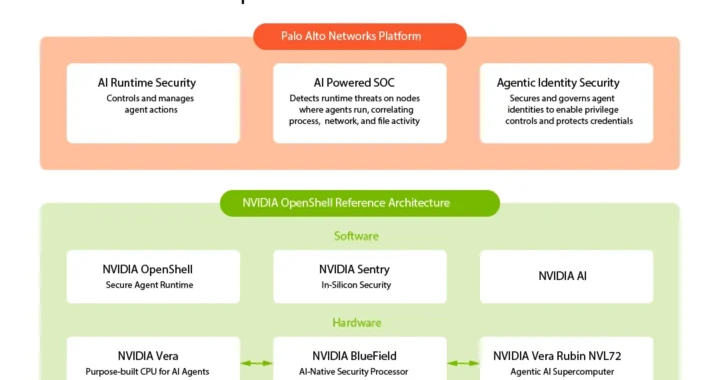








The rapid integration of artificial intelligence into the modern workplace is ushering in a new era of productivity and innovation. However, this transformative shift also introduces unprecedented cybersecurity challenges, leaving traditional security models struggling to keep pace. In response, Palo Alto Networks has launched Unit 42 Managed Agentic Endpoint Security (Managed AES), a pioneering service designed to provide continuous expert defense against the unique threats posed by autonomous AI agents and AI-enabled tools operating directly on endpoints.
The proliferation of AI agents, capable of accessing sensitive data, executing commands, and modifying local workflows, presents a significant blind spot for many organizations. These sophisticated tools, often operating with a high degree of autonomy, bypass the conventional security perimeters, demanding a more dynamic and context-aware approach to protection. A stark reality, highlighted by recent industry reports, reveals that a mere 6% of organizations possess an advanced AI security strategy, underscoring the urgent need for enhanced capabilities. This gap is further exacerbated by the alarming speed at which cyberattacks can unfold. The 2026 Unit 42 Global Incident Response Report reveals that the fastest attacks can escalate from initial compromise to data exfiltration in as little as 72 minutes, a timeline that leaves little room for manual intervention or delayed responses.
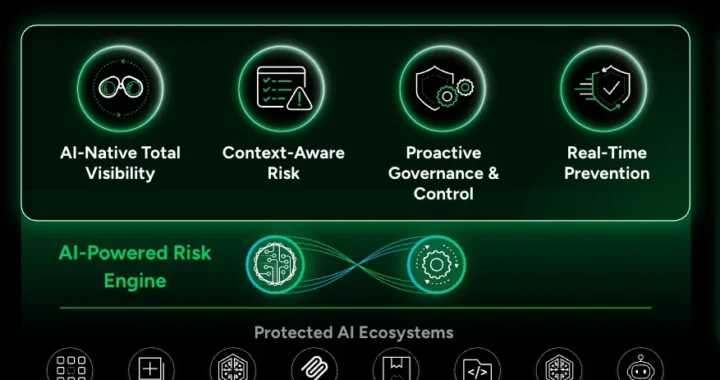
Palo Alto Networks’ new Managed AES service aims to bridge this critical security gap. Built upon the foundation of Cortex AES, their AI-native endpoint security platform, Managed AES offers unparalleled visibility, contextual risk intelligence, and robust protection specifically tailored for the complexities of AI agents and their associated artifacts. What truly differentiates this offering is the integration of 24/7 expert support from Unit 42, Palo Alto Networks’ renowned cybersecurity threat intelligence and incident response team. This human-powered layer of defense transforms raw data into actionable insights, providing organizations with the critical context needed to prioritize risks, proactively hunt for threats, and respond with precision when incidents occur.
The Autonomous Revolution and the Emerging Security Deficit
The fundamental nature of work is undergoing a seismic shift, driven by the increasing adoption of AI agents and AI-enabled tools. These intelligent systems are no longer confined to the cloud or specialized environments; they are actively integrated into the daily operations of endpoints, the very devices employees use to perform their tasks. From AI-powered coding assistants that streamline software development to sophisticated Model Context Protocol (MCP) servers that manage AI model interactions, these autonomous tools possess the capability to access highly sensitive data, execute commands with significant impact, and directly modify local workflows.
This direct access and operational autonomy fundamentally challenge the efficacy of traditional endpoint security models. These legacy systems were primarily designed to protect against known malware signatures and perimeter-based threats. They often lack the granular visibility required to monitor the complex and often novel behaviors of AI agents. Furthermore, they are ill-equipped to provide the necessary governance to manage and control the autonomous actions these agents undertake. The ability of an AI agent to, for instance, download a new model, train it on proprietary data, and then deploy it locally without explicit human oversight, represents a significant departure from established security paradigms.
The implications of this security deficit are profound. Organizations are increasingly exposed to a new class of threats that leverage the very AI tools they are adopting. This can manifest in various ways, from sophisticated insider threats facilitated by AI agents to novel attack vectors that exploit vulnerabilities in AI models themselves. The speed and stealth with which these attacks can operate are particularly concerning. The 72-minute window from initial access to data exfiltration, as reported by Unit 42, underscores the urgent need for security solutions that can detect and respond in near real-time.
A Chronology of Evolving Threats and Proactive Defense
The evolution of cybersecurity threats has always been a dynamic race between attackers and defenders. However, the advent of widespread AI adoption has accelerated this race to an unprecedented degree. Initially, AI was primarily seen as a tool for enhancing security capabilities, such as improving threat detection and automating response. As AI matured, it began to be integrated into the fabric of business operations, leading to the development of autonomous agents.
Early Stages (Pre-2020s): AI in cybersecurity was largely focused on analytical capabilities, enhancing signature-based detection, and improving threat intelligence. Endpoint security solutions were robust but primarily focused on known threats and static configurations.
The Rise of AI Agents (Early 2020s): The development of more sophisticated AI models and the increasing availability of powerful computing resources led to the emergence of AI agents capable of performing complex tasks autonomously. These agents began to be integrated into development workflows, data analysis pipelines, and operational processes.
Emergence of the Security Gap (Mid-2020s): As AI agents proliferated, organizations realized that their traditional endpoint security tools were insufficient to monitor, control, and protect against the unique risks they presented. The lack of visibility into agent behavior and the difficulty in establishing appropriate governance became a significant concern. Reports began to highlight the low adoption of advanced AI security strategies.
Accelerated Threat Landscape (Late 2020s – Present): The rapid adoption of AI, coupled with the inherent vulnerabilities in some AI models and the potential for malicious use, led to an explosion of new and sophisticated attack vectors. The speed of these attacks, exemplified by the 72-minute exfiltration timeline, demanded immediate and decisive action.
The Proactive Response (Present): Palo Alto Networks’ introduction of Unit 42 Managed Agentic Endpoint Security represents a crucial step in addressing this evolving threat landscape. By combining an AI-native platform with dedicated human expertise, Managed AES aims to provide the continuous defense necessary to navigate the complexities of the AI-driven workplace. This proactive approach acknowledges that the threat landscape is no longer static but is continuously shaped by the very technologies organizations are embracing.
Supporting Data: Quantifying the AI Security Challenge
The urgency of addressing AI-related security risks is underscored by compelling data points:
- Low AI Security Strategy Adoption: A mere 6% of organizations have an advanced AI security strategy in place. This statistic, highlighted by Palo Alto Networks, indicates a widespread unpreparedness for the unique challenges posed by AI. This leaves the vast majority of businesses vulnerable to exploitation.
- Rapid Attack Timelines: The 2026 Unit 42 Global Incident Response Report reveals that the fastest attacks can transition from initial access to data exfiltration in a mere 72 minutes. This incredibly short timeframe emphasizes the need for automated detection and rapid, expert-driven response capabilities that can outpace the speed of modern cyber threats.
- Data Exfiltration Risks: AI agents, by their nature, require access to data to function effectively. This inherent requirement increases the attack surface and the potential for sensitive data to be compromised if not adequately protected. The ability of these agents to access, process, and potentially transmit data makes them prime targets for attackers seeking to steal intellectual property, customer information, or confidential business strategies.
- Endpoint Vulnerabilities: As AI agents operate directly on endpoints, they inherit the vulnerabilities of those devices. If an endpoint is compromised, the AI agent operating on it can become a gateway for attackers to access the agent’s functionalities, its associated data, and the broader network. This highlights the critical need for robust endpoint security that specifically addresses AI-related risks.
- The Evolving Nature of Threats: Unlike traditional malware, which often relies on known signatures, AI-driven attacks can be more dynamic and evasive. They can adapt their tactics, leverage AI-generated obfuscation techniques, and exploit novel vulnerabilities in AI models themselves. This necessitates security solutions that can understand and adapt to emergent threat behaviors.
This data paints a clear picture: the widespread adoption of AI is outpacing the development of adequate security measures, creating a fertile ground for cyberattacks. Organizations that fail to address these risks not only face financial losses and reputational damage but also risk hindering their own AI-driven innovation efforts.
Official Responses and Industry Perspectives
The cybersecurity industry, and indeed the business world at large, is acutely aware of the burgeoning challenges posed by AI. Palo Alto Networks’ announcement of Unit 42 Managed Agentic Endpoint Security is a direct response to these industry-wide concerns.
"AI agents and AI-enabled tools are fundamentally changing how work gets done," states the announcement, directly addressing the core issue. This acknowledgment from a leading cybersecurity firm underscores the transformative impact of AI on the threat landscape. The statement further emphasizes the inadequacy of traditional security models: "Traditional endpoint security models fail to offer the visibility or governance required to manage these autonomous actions." This is a critical admission, signaling a need for a paradigm shift in how endpoint security is approached.
The launch of Managed AES is positioned as a solution to this evolving threat. By building upon the Cortex AES platform, Palo Alto Networks is leveraging its existing AI-native infrastructure to provide specialized protection. The emphasis on "24/7 Unit 42 expertise" is a key differentiator, highlighting the value of human intelligence and experience in complementing automated security solutions. "Managed AES adds 24/7 Unit 42 expertise to help organizations put those capabilities into action," the announcement details, stressing the practical application of these advanced tools.
Unit 42’s renowned threat intelligence forms the backbone of this service, enabling experts to provide "AI governance, threat hunting, investigation and response, and AI-related cyber hygiene." This comprehensive approach aims to equip organizations with the tools and knowledge to not only defend against AI-related threats but also to foster a more secure AI ecosystem. The service’s ability to "apply human judgment to turn contextual intelligence into policy recommendations and prioritized actions" speaks to the nuanced understanding required to effectively manage AI risks in a dynamic environment.
The accompanying webinar invitation, "The Next Era of Endpoint Security," further signals the industry’s recognition of this pivotal moment. The webinar promises to delve into how Cortex AES and Unit 42 experts can assist teams in "govern[ing] AI risks, strengthen[ing] visibility and protect[ing] the agentic endpoint." This collaborative approach, involving both technological innovation and expert human oversight, is seen as essential for navigating the complexities of the AI frontier securely.
Industry analysts and cybersecurity professionals are also weighing in on the growing importance of AI security. Many foresee a future where dedicated AI security platforms and managed services become standard components of an organization’s security posture. The focus is shifting from simply detecting threats to understanding the behavior of AI agents, establishing robust governance frameworks, and ensuring that AI adoption does not come at the expense of security.
Implications: Securing the Future of Work with AI Confidence
The introduction of Unit 42 Managed Agentic Endpoint Security has far-reaching implications for how organizations can securely embrace the transformative power of artificial intelligence. At its core, this service empowers businesses to move beyond the apprehension of AI-related risks and step confidently into the future of work.
Enabling Secure AI Adoption at Scale: The primary implication is that Managed AES provides a pathway for organizations to scale their AI adoption without being hampered by crippling security concerns. By offering robust visibility, contextual risk intelligence, and expert response, the service addresses the critical need for trust in AI-driven operations. This allows businesses to explore new AI applications, integrate them into their workflows, and reap the benefits of increased efficiency and innovation, knowing that their endpoints and data are protected.
Bridging the Expertise Gap: The cybersecurity talent shortage is a well-documented challenge, and the specialized skills required to manage AI security are even rarer. Managed AES directly addresses this gap by providing access to the elite Unit 42 threat intelligence and incident response team. This means organizations, regardless of their internal security team’s size or AI expertise, can leverage world-class talent to protect their AI environments. This democratizes advanced AI security, making it accessible to a broader range of businesses.
Proactive Risk Mitigation and Incident Response: The service’s emphasis on continuous expert defense means that potential threats are identified and addressed before they can escalate into full-blown incidents. This proactive approach not only minimizes the financial and reputational damage associated with breaches but also reduces the operational disruption that can occur during incident response. The ability to quickly and effectively respond to AI-related threats is paramount in the current threat landscape, where attacks can unfold with unprecedented speed.
Establishing AI Governance and Cyber Hygiene: Beyond immediate threat response, Managed AES fosters a culture of robust AI governance and cyber hygiene. By providing policy recommendations and prioritized actions, the service helps organizations establish clear guidelines for the use of AI agents, ensuring compliance and minimizing the introduction of new vulnerabilities. This long-term focus on secure AI practices is crucial for sustainable AI integration.
Shaping the Future of Endpoint Security: The development and launch of Cortex AES and its managed service represent a significant evolution in endpoint security. It signals a shift from a reactive, signature-based approach to a proactive, AI-aware, and context-driven model. This sets a new benchmark for how endpoint security solutions will need to adapt to protect against increasingly sophisticated and autonomous threats. Organizations that embrace these advanced solutions will be better positioned to thrive in the AI-driven economy.
In conclusion, Unit 42 Managed Agentic Endpoint Security is more than just a security product; it is a strategic enabler for businesses navigating the complexities of the AI revolution. By combining cutting-edge technology with unparalleled human expertise, Palo Alto Networks is providing organizations with the confidence and security necessary to unlock the full potential of AI, ensuring that innovation and protection go hand in hand. The future of work is undeniably AI-powered, and with solutions like Managed AES, businesses can face this future with resilience and assurance.