






In an era where water scarcity has transitioned from a distant environmental concern to an immediate domestic crisis, the UK’s utility sector is undergoing a quiet but profound technological transformation. Southern Water, one of the United Kingdom’s largest water and wastewater service providers, has officially announced a landmark partnership with Lightsonic, a pioneer in acoustic sensing technology. This collaboration aims to turn the nation’s burgeoning fiber-optic network into a sophisticated, subterranean “nervous system” capable of pinpointing leaks with unprecedented precision.
The initiative comes at a critical juncture. As the UK grapples with aging infrastructure, record-breaking summer temperatures, and mounting regulatory pressure to reduce waste, the integration of telecommunications and utility management offers a glimpse into the future of smart cities. By utilizing Openreach’s existing fiber infrastructure, Southern Water and Lightsonic are proving that the solution to one of the world’s oldest engineering problems—leaky pipes—might lie in the very cables that deliver the country’s high-speed internet.
Main Facts: A Digital Stethoscope for the Underground
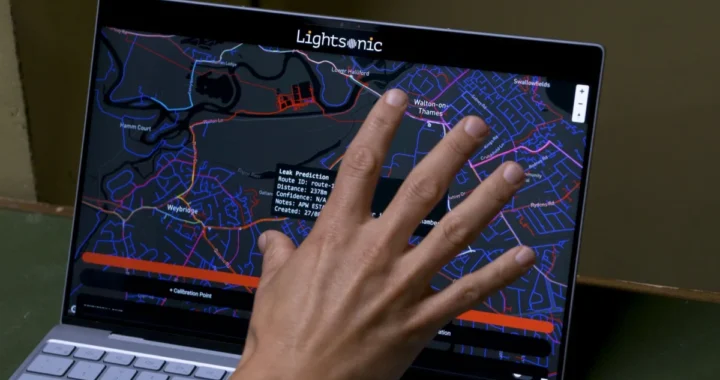
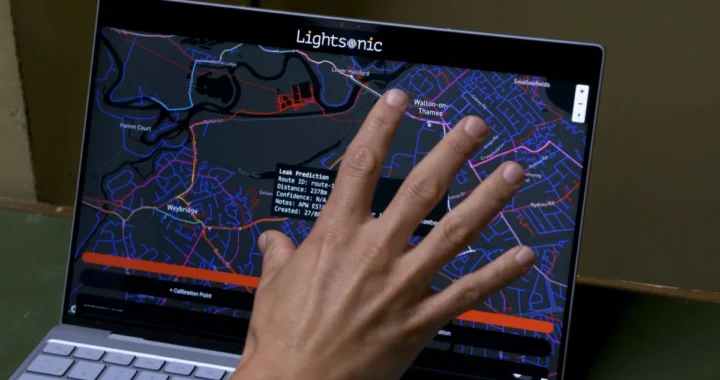
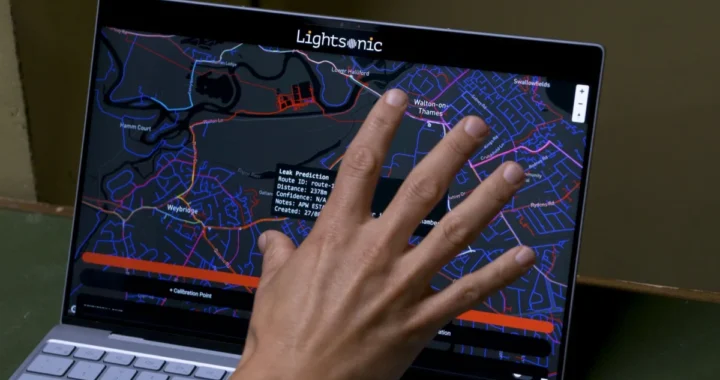
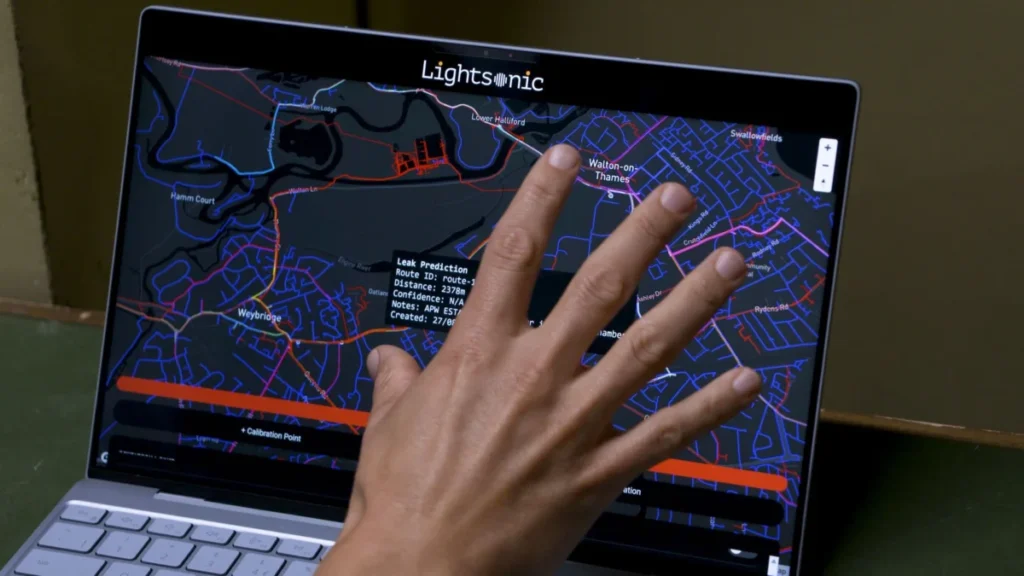
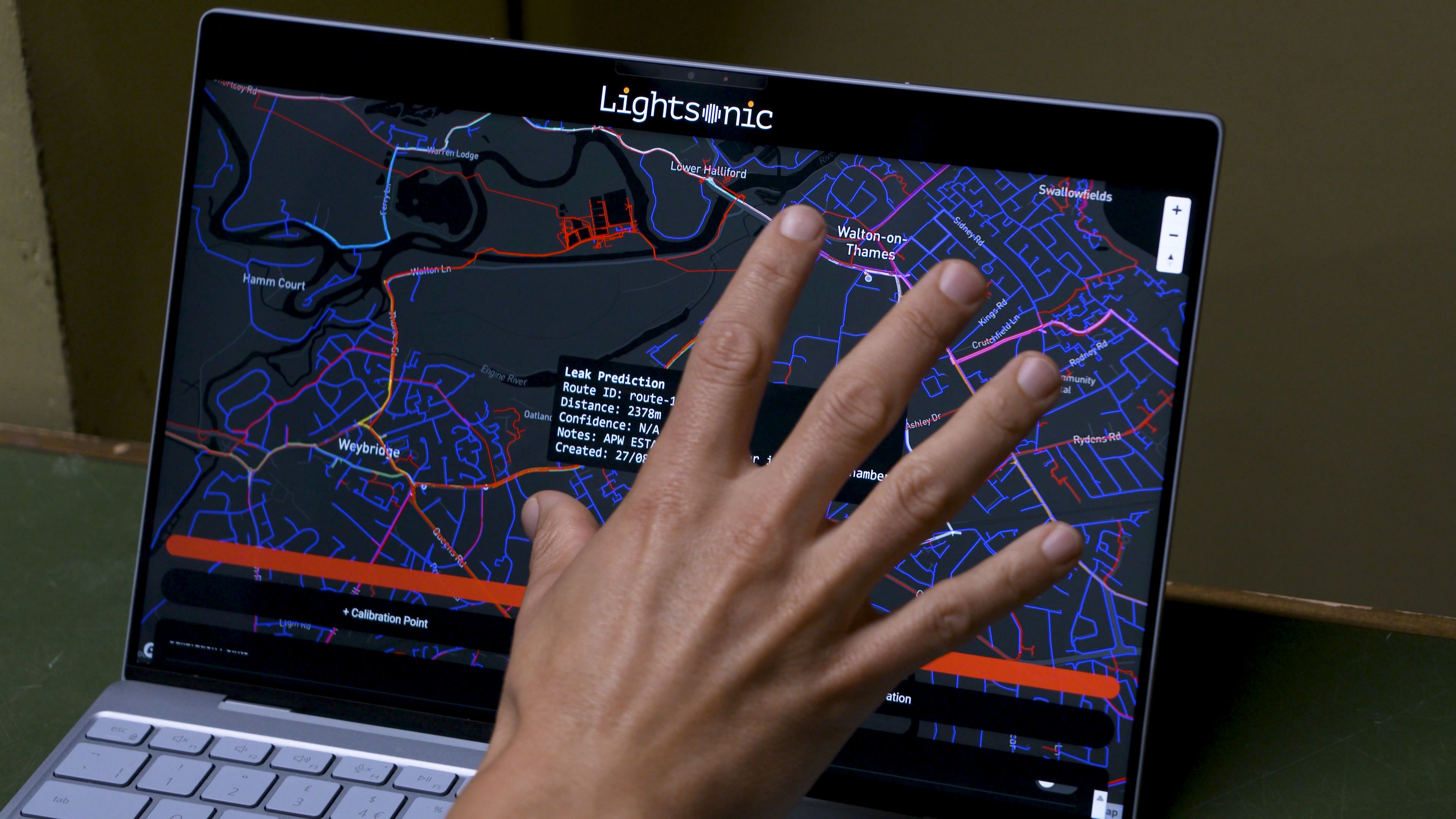
The core of the partnership involves the deployment of Lightsonic’s proprietary acoustic sensing units across the UK’s water network. These units are integrated into Openreach’s Full Fibre network, which frequently shares the same underground conduits and paths as water pipelines. The technology has already demonstrated remarkable efficacy, having helped save more than 4 million liters of water per day across a 650km stretch of the UK’s water network during preliminary phases.
The scale of the problem is staggering. The UK’s aging pipe network, much of which dates back to the Victorian era, loses approximately 2.6 billion liters of water every single day. For Southern Water, which serves millions of customers across the South of England—a region particularly susceptible to "water stress"—the ability to identify and fix these leaks is not just an operational goal; it is a matter of regional security.
Lightsonic’s solution typically detects 1.2 million liters of water leaks per day for every 100km of network covered. By scaling this across Southern Water’s territory, the partnership aims to drastically reduce the "unaccounted-for water" that currently plagues the industry.
Chronology: From Pilot Projects to Regional Deployment
The journey toward this large-scale rollout began earlier this year, marking a rapid transition from proof-of-concept to industrial application.
- March 2024: Openreach and Lightsonic launched their initial trials in collaboration with Affinity Water. This pilot was designed to test the sensitivity of fiber-optic cables in a real-world environment. The goal was to determine if standard telecommunications fiber could effectively double as a sensor without interfering with data transmission.
- Spring/Summer 2024: Following the success of the Affinity Water trials, the data confirmed that the "Full Fibre" infrastructure could provide continuous, real-time monitoring of utility assets. The results showed that the system could not only detect leaks but also categorize them by severity, allowing for prioritized maintenance.
- Late 2024: Southern Water officially joins the fold, moving the technology into a broader geographical footprint. This stage of the rollout focuses on high-risk areas in the South of England, where soil conditions and aging infrastructure have historically made leak detection difficult.
- The Future: The partnership is now looking toward a nationwide scale-up, with Lightsonic and Openreach positioning the solution as a "plug-and-play" upgrade for any water company operating near fiber-optic lines.
Supporting Data: The Science of Fiber-Optic Sensing
To understand why this partnership is revolutionary, one must look at the underlying technology: Distributed Acoustic Sensing (DAS). Traditionally, leak detection involved manual "acoustic logging," where technicians would place microphones on valves or use ground-penetrating radar—a slow, expensive, and often inaccurate process.
How Lightsonic Works
Lightsonic’s technology utilizes a phenomenon known as Rayleigh backscattering. As laser pulses travel through a fiber-optic cable, a small amount of light is reflected back to the source. If a nearby water pipe develops a leak, the high-pressure escape of water creates a specific vibration or "acoustic signature."
These vibrations cause microscopic physical changes in the fiber-optic cable. Even a movement as small as a few nanometers alters the phase of the reflected light. Lightsonic’s sensing units analyze these changes in real-time, effectively turning kilometers of fiber into a continuous string of thousands of virtual microphones.
Efficiency Metrics
The data supporting this transition is compelling:
- Detection Rate: 1.2 million liters saved per 100km annually.
- Existing Infrastructure: By using Openreach’s network, there is zero need for new excavation to lay sensors, reducing the carbon footprint of the monitoring project itself.
- Real-Time Capability: Unlike traditional methods that might only check a pipe once every few months, the fiber-optic system provides 24/7 surveillance.
Official Responses: A Unified Vision for Water Security
The leaders of the involved companies have emphasized that this is more than just a commercial deal; it is a response to a national emergency.
Tommy Langnes, CEO of Lightsonic, highlighted the convergence of environmental and infrastructural pressures. “Ageing infrastructure, leaking networks, and mounting climate pressure are converging, causing major water stress,” Langnes stated. “By utilizing existing fiber optic infrastructure, we have a solution that can be quickly and effectively scaled across the UK to help utility companies get a handle on leaks, secure supply, and generate savings that can be reinvested to upgrade our aging network.”
Trevor Linney, Director of Network Technology at Openreach, pointed out the multi-purpose value of the UK’s digital rollout. “The results of our existing pilots with Lightsonic show that our new full fiber infrastructure can deliver value far beyond broadband—and could prove to be a real game changer in solving real-world challenges like water conservation,” Linney said. He noted that the partnership makes utility monitoring “genuinely scalable, without the cost and disruption of building a separate sensor network.”
For Southern Water, the partnership represents a commitment to digital transformation. By adopting "passive sensing frameworks," the company is shifting from a reactive maintenance model (fixing pipes after they burst) to a predictive model (fixing leaks before they become catastrophic).
Implications: Beyond the Pipe
The implications of the Southern Water and Lightsonic partnership extend far beyond the immediate reduction in water loss. This project sets a precedent for how "Digital Twins" and "Smart Infrastructure" will function in the mid-21st century.
1. Environmental and Climate Resilience
The UK is currently experiencing some of its hottest weather on record. With hosepipe bans becoming a common summer occurrence and the construction of vital new reservoirs, such as the one planned for the South East, facing five-year delays, every drop of water saved is critical. Reducing leaks is the fastest and most cost-effective way to bolster water security without the environmental impact of building new dams or desalination plants.
2. Economic Efficiency
Water companies in the UK face heavy fines from the regulator, Ofwat, for failing to meet leakage targets. By significantly lowering the cost of leak detection, Southern Water can redirect capital toward long-term infrastructure upgrades. Furthermore, the "no-dig" nature of fiber-optic sensing means fewer road closures and less disruption for the public, which carries its own set of economic benefits.
3. The "Dual-Use" Infrastructure Model
This partnership proves that the massive investment in the UK’s fiber-optic network (led by companies like Openreach) has a "dual-use" value. Fiber is no longer just for Netflix or remote working; it is a critical tool for environmental monitoring. This could eventually extend to monitoring gas leaks, traffic patterns, or even early earthquake warnings, turning the telecommunications network into a holistic national monitoring system.
4. Regulatory Pressure
As the UK government and Ofwat tighten the screws on utility companies regarding environmental performance and resource management, the Southern Water/Lightsonic model provides a blueprint for compliance. Other water companies, such as Thames Water or United Utilities, will likely be watching these results closely as they face similar pressures to modernize.
Conclusion
The partnership between Southern Water and Lightsonic, facilitated by Openreach’s infrastructure, marks a milestone in the "Internet of Things" (IoT) application for heavy industry. By listening to the "whispers" of the underground through pulses of light, the UK is finding a way to patch the holes in its Victorian past using the technology of its digital future. In a world where water is increasingly becoming "blue gold," the ability to monitor 650km of network and save 4 million liters of water a day is not just a technological feat—it is an essential evolution for a nation under climate stress.