



Introduction
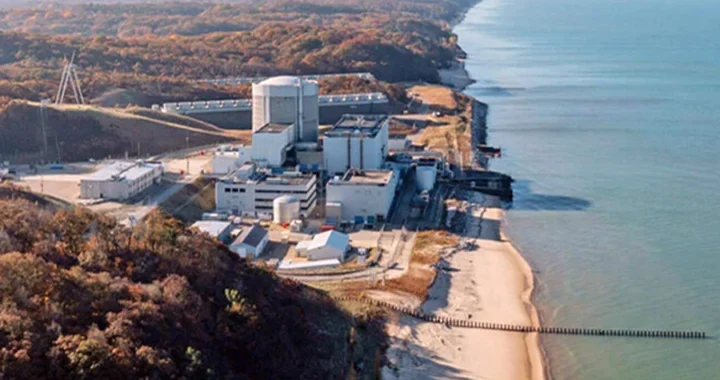
The 805-MW Palisades nuclear power plant, situated on the shores of Lake Michigan, has officially entered a critical phase in its journey toward operational restoration. As of August 30, 2026, the facility transitioned into "Mode 6"—the refueling phase—following the installation of new fuel assemblies into the reactor core. This milestone is not merely a logistical step; it is a meticulously regulated technical progression overseen by the U.S. Nuclear Regulatory Commission (NRC). For the industry, the restart of Palisades represents a significant test case for the reactivation of shuttered nuclear assets in an era of surging electricity demand.
Main Facts: The Path to Mode 6
The transition to Mode 6 serves as a definitive marker that the plant is moving from a dormant state toward active power generation. Under NRC technical specifications, nuclear power plants must adhere to a rigid, six-stage operational hierarchy. Each mode imposes specific requirements on reactor coolant temperature, pressure, and the availability of safety systems.
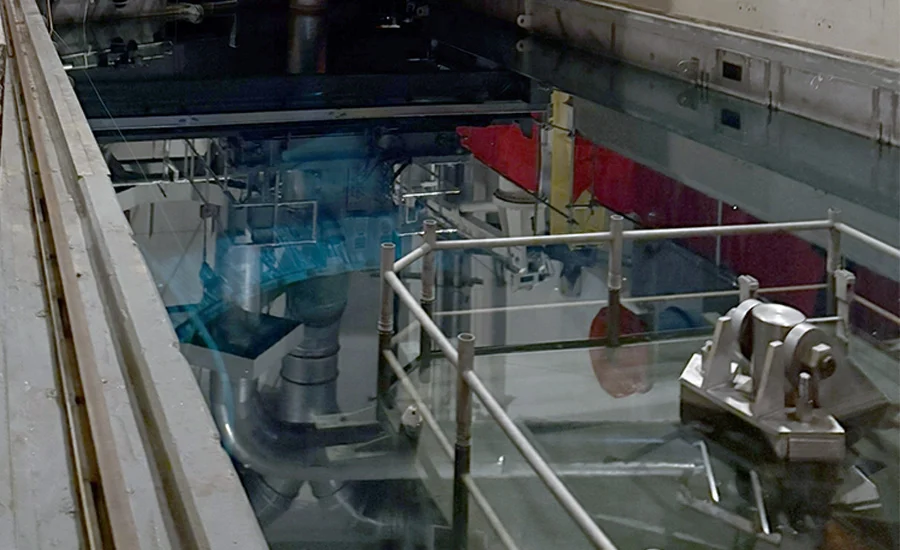
By commencing fuel loading, operator Holtec International has signaled that the plant’s mechanical infrastructure, including the newly upgraded fuel-handling machinery, has met the necessary safety thresholds to proceed. The fuel-loading process is an exacting operation, requiring precise alignment of fuel rods into the reactor vessel, all performed under the watchful eyes of regulatory inspectors. This phase ensures that the reactor’s reactivity can be controlled throughout the subsequent startup sequence.
The Six Operational Modes: A Chronology of Startup
To understand the complexity of bringing a nuclear plant back online, one must look at the NRC-mandated transition through the various operational modes. Each stage requires a comprehensive suite of tests, safety certifications, and administrative approvals.
Mode 6: Refueling
The current state of the Palisades facility, Mode 6 is defined by the reactor being shut down for the purpose of replacing or rearranging fuel. During this phase, the reactor vessel head is typically removed, and the refueling canal is flooded to provide biological shielding for personnel.
Mode 5: Cold Shutdown
Once refueling is complete, the plant will transition to Mode 5. In this state, the reactor remains shut down, but the facility begins the methodical process of preparing auxiliary systems for operation. Cold shutdown is a critical "holding pattern" where technicians verify that all cooling systems are leak-tight and that the pressure boundary of the reactor coolant system is fully integrity-tested.
Mode 4: Hot Shutdown
As the plant advances toward Mode 4, the reactor remains subcritical—meaning it is not producing a self-sustaining chain reaction—but the coolant temperature is allowed to rise. This mimics the thermal expansion and hydraulic conditions of an active plant, allowing operators to ensure that pumps, valves, and control rod drive mechanisms behave as expected under heat stress.

Mode 3: Hot Standby
In Mode 3, the plant is effectively "warm." The reactor coolant system reaches normal operating temperatures and pressures. While the plant remains shut down, it is effectively in a "ready-to-go" state. Operators use this phase to perform final control room checks, emergency system synchronizations, and instrumentation calibrations.
Mode 2: Startup
This is the transition from a non-nuclear state to a nuclear-producing state. In Mode 2, operators intentionally establish and slowly increase nuclear power. This phase is characterized by intense oversight, as the plant moves from a subcritical state to the minimum power level required to conduct physics tests and confirm that the reactor behaves according to its design specifications.
Mode 1: Power Operation
The final milestone, Mode 1, signifies that the reactor has reached its normal, full-power producing capacity. Once the plant is synchronized with the electrical grid, it begins contributing its 805-MW capacity to the regional energy infrastructure.
Supporting Data: The Engineering Challenge
The reactivation of Palisades is an engineering feat that spans multiple disciplines, from civil engineering—strengthening the containment structures—to mechanical and nuclear engineering, which involves the replacement of antiquated control systems with modern digital architecture.
The fuel-handling machinery currently in use at Palisades is a critical component of this process. Unlike original legacy equipment, the modern machinery utilized by Holtec is designed for higher precision and automated feedback loops. According to industry data, the successful integration of these systems is the primary predictor of how quickly a plant can progress from Mode 6 to Mode 1. The 805-MW output of the plant is substantial, enough to power hundreds of thousands of homes, and its return is viewed as a vital buffer for the Midwest’s energy grid as older coal-fired plants are retired.
Official Responses and Regulatory Oversight
The NRC continues to maintain a rigorous presence at the Palisades site. Every movement of nuclear fuel is documented, and the technical specifications governing the six modes are non-negotiable.
Holtec International has framed the commencement of fuel loading as a fulfillment of its commitment to the U.S. Department of Energy and the regional stakeholders who rely on the plant’s baseload power. In recent statements, Holtec officials emphasized that the "refueling" designation is more than a technicality; it is the physical embodiment of the plant’s transition from a retired asset back into a productive national resource. The project has undergone extensive audits to ensure that the decades-old infrastructure meets modern seismic and safety standards, a requirement that has necessitated unprecedented investment in the facility’s structural components.

Implications for the Energy Sector
The Palisades project is being closely watched by energy analysts globally. If successful, it serves as a blueprint for "nuclear life extension"—the practice of refurbishing nuclear power plants that were once slated for permanent decommissioning.
Economic Impact
The restart is a significant economic engine for Michigan, providing high-skilled jobs in engineering, operations, and security. Beyond the local economy, the return of 805 MW of carbon-free baseload power contributes to state-level clean energy goals, helping to mitigate the intermittency issues associated with renewable energy sources like wind and solar.
Technical Precedents
Industry experts note that the technical lessons learned at Palisades regarding the "Mode transition" process will likely influence future regulatory frameworks. As the world faces a "nuclear renaissance," the ability to efficiently and safely move a plant through these six modes without incident is a core competency that will define the next generation of nuclear operators.
Challenges Ahead
Despite the progress, the road to Mode 1 is not without risks. The transition from cold storage to high-pressure, high-temperature operation puts significant strain on aging pipework, valves, and electrical insulation. The engineering team at Palisades must remain vigilant against "infant mortality" failures—where repaired or dormant components fail shortly after being brought back into service.
Conclusion
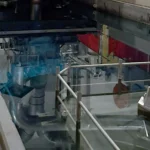
The sight of the fuel-handling machine hovering over the Palisades reactor cavity is a powerful image of industrial renewal. By entering Mode 6, the plant has officially crossed the threshold from a static piece of infrastructure to an active, evolving project. While the steps from Mode 6 to Mode 1 involve complex, high-stakes engineering, the successful completion of fuel loading suggests that the facility is on a steady trajectory.
For the energy sector, Palisades is no longer just a memory of the past; it is a critical piece of the future. As operators continue to navigate the technical requirements of the NRC, the industry waits to see if this Michigan giant can once again reliably light the grid, setting a precedent for the reactivation of nuclear capacity across the United States. The meticulous adherence to the six operational modes is the bedrock of this effort, ensuring that when the plant finally reaches Mode 1, it does so with the safety and reliability that modern nuclear energy demands.