




In an era defined by the rapid proliferation of artificial intelligence (AI), massive cloud computing clusters, and the relentless demand for high-performance computing (HPC), the physical layer of the internet is facing an unprecedented stress test. As data centers transition from centralized hubs to complex, interconnected ecosystems, the requirement for fiber density and spatial efficiency has reached a critical inflection point.
Lightera, the specialized fiber optic entity under the global umbrella of the Furukawa Electric Group, has stepped into this breach with the launch of TeraPatch™. This modular optical infrastructure solution is engineered to serve as the structural backbone for the next generation of data centers and telecommunications networks, promising to redefine how operators manage, scale, and maintain their physical fiber assets.
Main Facts: The TeraPatch™ Solution
At its core, TeraPatch™ is an answer to the "density crisis." As hyperscale data centers attempt to cram more computing power into smaller footprints, the traditional methods of cable management and termination are becoming bottlenecks.
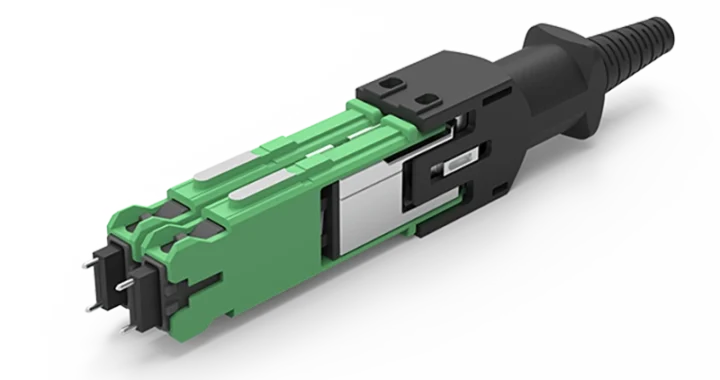
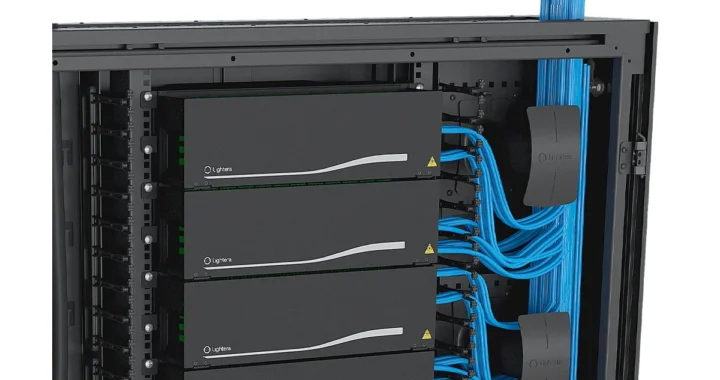
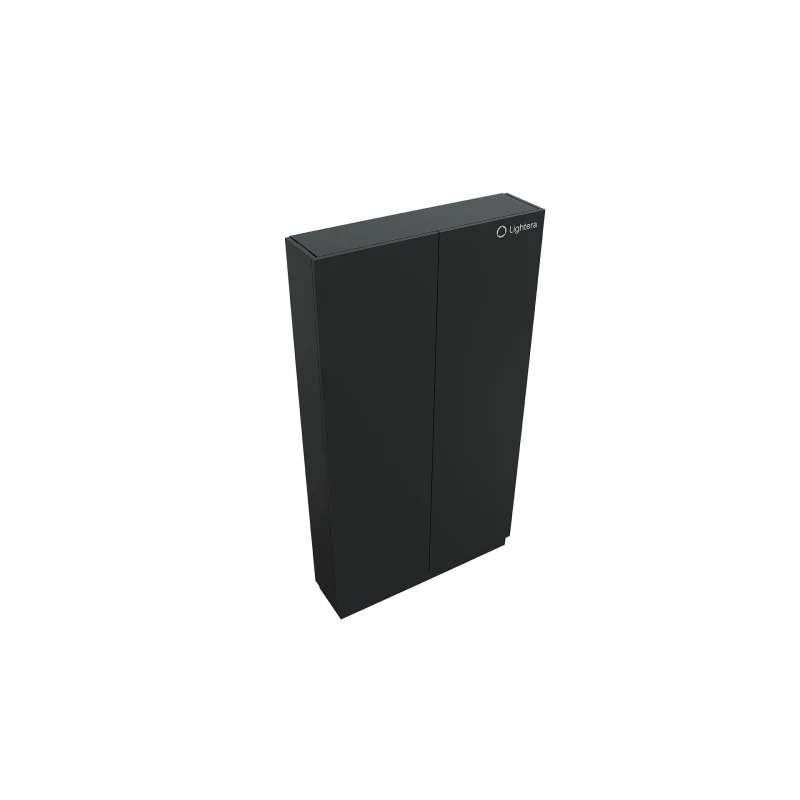
TeraPatch™ provides a standardized, modular architecture designed to maximize rack space and simplify the intricate web of fiber optic connectivity. The system is specifically optimized for high-density environments, supporting the termination of up to 3,456 fibers within a single, unified system. A key technical feature is its native compatibility with Rollable Ribbon cables—a technology that allows for greater fiber density without increasing cable diameter, thereby improving airflow and reducing weight in overhead cable trays.
The solution is not merely a single product but a comprehensive portfolio of optical cabinets, transition modules, splicing units, and termination hardware. By allowing operators to expand their fiber networks without requiring invasive structural modifications, TeraPatch™ minimizes the downtime traditionally associated with "forklift upgrades" or major facility re-cabling.
Chronology of Development: From Concept to Latin American Launch
The genesis of TeraPatch™ reflects the strategic shift within the Furukawa Electric Group to localize high-end R&D to meet regional and global demands.
- Phase 1: Market Analysis (2022-2023): Lightera’s engineering teams identified a growing gap between legacy fiber management systems and the requirements of modern AI clusters. As GPU-accelerated computing began to dominate data center roadmaps, the need for lower latency and higher connectivity density became apparent.
- Phase 2: R&D and Prototyping: Development took place primarily in Brazil, leveraging the country’s significant engineering talent pool and Lightera’s deep manufacturing expertise. The goal was to build a system that was "future-proof"—capable of being installed today but modular enough to accept future fiber technologies.
- Phase 3: Beta Testing and Optimization: The system underwent rigorous field testing to ensure it could withstand the operational realities of edge computing environments and colocation facilities, where space and speed of deployment are at a premium.
- Phase 4: Official Launch (2024): Lightera officially unveiled TeraPatch™ in Latin America. The launch marks the first step in a broader global rollout strategy, positioning the brand to compete directly with international players in the high-density infrastructure market.
Supporting Data: The Math Behind the Efficiency
To understand why TeraPatch™ is a significant development, one must look at the challenges inherent in modern data center operations.
Density and Scalability
Traditional fiber management systems often suffer from "stranded capacity"—where the inability to efficiently add new connections forces operators to install entirely new cabinets. With a capacity of 3,456 fibers, TeraPatch™ offers a significant leap in density. This density allows for:
- Space Optimization: Reducing the footprint of optical distribution frames (ODFs) by up to 30% compared to legacy systems.
- Operational Agility: The "modular architecture" allows for "pay-as-you-grow" investment. Operators can deploy the base frame and add modules as fiber counts increase, rather than over-provisioning infrastructure on Day 1.
Economic Impact
By reducing the need for physical infrastructure upgrades, TeraPatch™ targets two critical metrics for any data center manager: Capital Expenditures (CapEx) and Operating Expenses (OpEx).
- CapEx Efficiency: By extending the life of the existing facility through better space utilization, companies avoid the massive costs of physical expansion or building new data halls.
- OpEx Reduction: Faster deployment times translate directly to lower labor costs. Furthermore, the intuitive design of the cable organization system reduces the risk of human error—a leading cause of network outages in high-density environments.
Official Responses: Insights from the Engineers
The vision behind TeraPatch™ is rooted in the philosophy of proactive infrastructure management.
"Data center infrastructure is undergoing a major transformation, driven by a growing number of connections and the need for continuous evolution," explains Luiz Henrique Zimmermann Felchner, Senior Engineering Manager at Lightera. "TeraPatch™ helps organize this growth and prepares networks to keep pace with these changing demands. We aren’t just selling a cabinet; we are selling the ability for a network to evolve without requiring a complete overhaul."
The strategic importance of this product to the Lightera brand is underscored by Cássio Cardoso, Product Engineer (RCDD) at Lightera. "Developed in Brazil, TeraPatch™ will initially be launched in Latin America, with plans to expand into additional markets. This initiative is part of the company’s strategy to develop technologies that address the evolving demands of digital infrastructure."
Cardoso’s emphasis on the regional development highlights a trend toward "regionalizing" global tech supply chains, ensuring that solutions are designed to handle the specific climate, regulatory, and operational environments of the regions they serve.
Implications: The Future of the Physical Layer
The introduction of TeraPatch™ arrives at a moment when the industry is grappling with the "AI Infrastructure Paradox": we are building increasingly small, efficient, and powerful chips (CPUs/GPUs), yet the physical infrastructure required to move the data between them is becoming increasingly cumbersome.
1. The Death of the "Forklift Upgrade"
In the past, when a data center reached its fiber limit, it often meant a disruptive, multi-week project to rip out existing cabinets and install new ones. TeraPatch™ aims to relegate this to history. By enabling incremental expansion within the same rack space, it allows the physical layer to match the agility of the virtualized software-defined data center (SDDC).
2. Supporting Edge and Colocation Growth
While hyperscalers dominate the headlines, the growth of the "Edge"—smaller data centers placed closer to the end-user—requires a different set of constraints. These sites are often space-constrained and lack on-site specialized maintenance teams. The modular, error-resistant design of TeraPatch™ makes it ideal for these remote environments, where simplicity and reliability are paramount.
3. Sustainability and Resource Efficiency
By optimizing space, TeraPatch™ also contributes to better energy management. Denser fiber management allows for better airflow through the cabinets, reducing the cooling load on the data center. As the industry faces increasing scrutiny over its environmental footprint, these "hidden" efficiency gains become vital components of a corporate sustainability strategy.
4. Setting a New Standard for Connectivity
As Lightera prepares to take TeraPatch™ to the global market, it establishes a new benchmark for what modularity means in fiber optics. The industry is moving away from proprietary, rigid systems and toward open, scalable standards. TeraPatch™ aligns perfectly with this trend, providing a bridge between current fiber architectures and the unknown, high-bandwidth demands of the next decade.
Conclusion
The launch of TeraPatch™ by Lightera is more than a product announcement; it is a signal of the maturity of the Latin American technology sector and a direct response to the global infrastructure needs of the AI era. As artificial intelligence continues to reshape the landscape of computing, the "hidden" heroes of the digital world—the cables, cabinets, and connectors—must evolve to support the load.
With its high density, modular flexibility, and emphasis on long-term operational cost-effectiveness, TeraPatch™ appears well-positioned to become a staple in the data centers of tomorrow. For network operators, it provides the predictability and stability required to plan for an future that is, by all accounts, going to be defined by exponentially larger volumes of data. As the world becomes increasingly interconnected, Lightera is ensuring that the physical foundation of that connectivity is stronger, more organized, and more capable than ever before.