





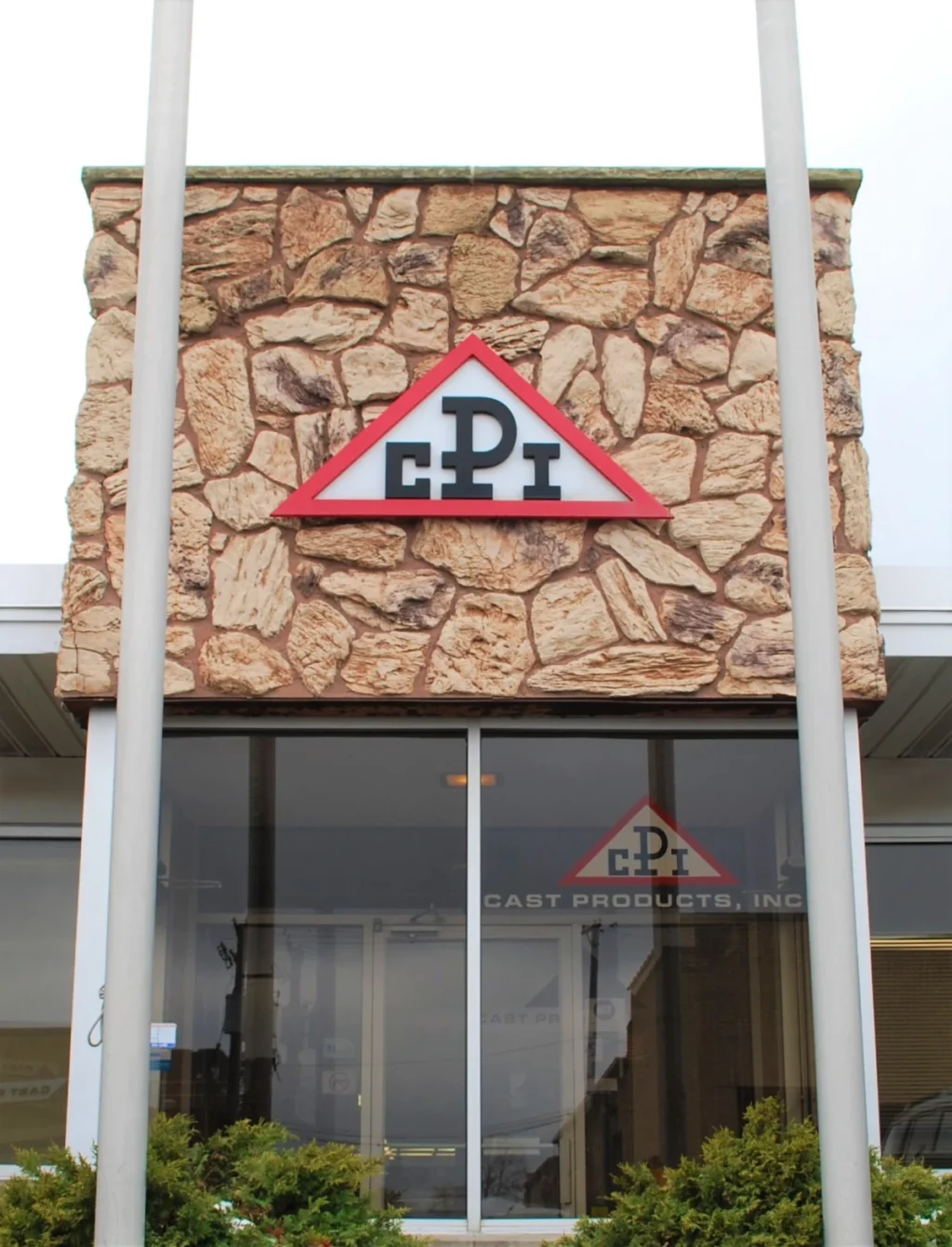
In a strategic move that underscores a deepening commitment to domestic production, NSI Industries has officially announced the acquisition of Cast Products Inc. (CPI), a premier manufacturer of high-volume zinc die-cast components based in Norridge, Illinois. This acquisition represents a pivotal milestone for NSI, integrating five decades of metallurgical expertise into its growing portfolio of electrical, industrial, and automotive solutions.
By folding CPI into its corporate structure, NSI is not only expanding its technical capabilities but also securing its supply chain in the critical Cable and Conduit Fittings category—a segment that has served as the engine of NSI’s recent market expansion.
The Strategic Importance: Core Facts of the Acquisition
The acquisition of Cast Products Inc. is more than a simple asset purchase; it is a tactical consolidation of market power. For 57 years, CPI has operated as a leader in the zinc die-casting space, known for its ability to handle complex, high-volume production runs that require extreme precision.
For NSI, the primary benefit lies in the immediate increase in production capacity. As demand for high-quality electrical infrastructure components continues to rise across the United States, having an in-house, state-of-the-art facility for zinc die casting allows NSI to bypass the volatility of international supply chains. CPI’s Norridge facility is renowned for its technological sophistication, encompassing advanced tool fabrication, automated die-casting machinery, and comprehensive secondary processing services.
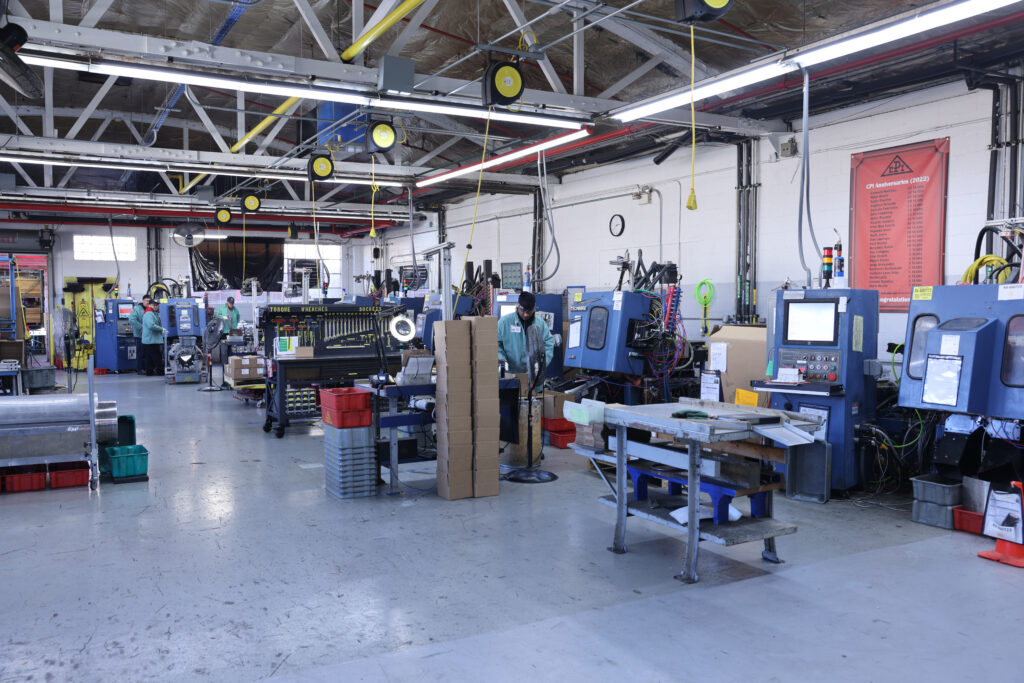
By bringing these processes under the NSI umbrella, the company effectively creates an end-to-end manufacturing ecosystem. From initial design and engineering to the final casting and finishing of components, NSI now maintains total oversight of the quality and availability of its zinc-based product lines.
A Legacy of Excellence: The Chronology of Cast Products Inc.
To understand the gravity of this acquisition, one must look at the history of Cast Products Inc. Since its inception in 1966, the company has operated with a singular focus: redefining the limits of zinc die-casting technology.
- 1966 – The Foundation: CPI was established in Illinois, entering the market during a period of industrial boom. The company quickly differentiated itself by focusing on high-volume, engineered solutions rather than generic, low-margin casting.
- The 1980s – Technological Integration: CPI began early adoption of computer-aided design (CAD) in its tooling department, allowing for more complex geometries in electrical fittings—a move that secured their reputation as a preferred partner for automotive and industrial clients.
- The 2000s – Refinement and Efficiency: Through the turn of the millennium, CPI prioritized the modernization of its floor. By investing in robotic arms and high-speed injection technology, the company significantly reduced waste and improved the density and durability of its zinc parts.
- 2023 – Joining the NSI Family: The acquisition marks the latest chapter in the company’s history, integrating its legacy of 57 years into the robust NSI network, which includes established industry pillars like Bridgeport Fittings and Remke Industries.
Supporting Data: Why Zinc Die Casting Matters
The choice of zinc as a primary material is no coincidence. Zinc alloys offer a unique combination of mechanical properties that make them ideal for electrical conduit fittings and industrial components.
According to industry data, zinc die-cast parts exhibit superior dimensional stability, high impact strength, and excellent electrical conductivity—essential traits for parts that must withstand the harsh environments of construction sites or industrial manufacturing floors.

Technical Advantages
The capabilities now available to NSI through the CPI facility include:
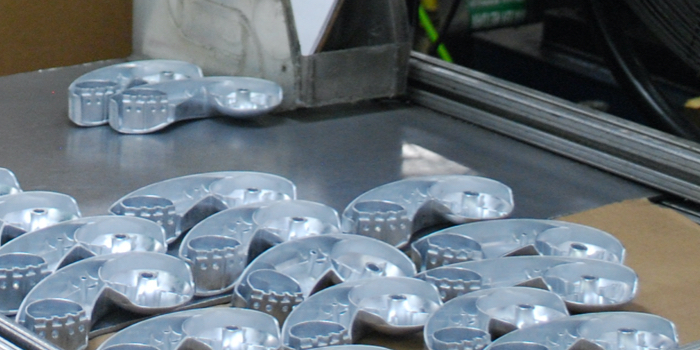
- Precision Tolerances: CPI utilizes advanced tool design to ensure parts meet tight specifications, reducing the need for secondary machining.
- High-Volume Throughput: The facility is optimized for long production runs, ensuring that distributors and contractors have access to consistent, reliable inventory.
- Secondary Processing: Beyond casting, the facility handles vibration finishing, drilling, and tapping, ensuring that parts arrive at the job site "ready-to-install."
The economic data surrounding this acquisition is equally compelling. By keeping the manufacturing process stateside, NSI avoids the logistical bottlenecks and geopolitical risks associated with overseas sourcing. This "Made in America" approach has become a significant competitive advantage for NSI, as distributors and electrical contractors increasingly prioritize supply chain reliability over the marginal cost savings of offshore production.
Official Perspectives: The Synergy of the Partnership
Leadership from both NSI and CPI have expressed that this union is built on a shared philosophy: the belief that American manufacturing should be synonymous with technological innovation rather than just labor-intensive production.
"The acquisition of CPI represents another major investment by NSI in U.S.-based manufacturing," a company spokesperson stated. "The momentum in the Cable and Conduit Fittings category—already our largest and fastest-growing business—will experience an immediate boost with the addition of CPI’s die-cast production capacity and expertise to our team."
From the perspective of CPI’s long-term management, the move is seen as a way to provide their existing customer base with broader resources. By tapping into NSI’s extensive distribution network, CPI’s specialized products will reach a wider array of markets, ranging from massive electrical infrastructure projects to niche industrial applications.
Implications for the Industry
The integration of CPI into NSI is expected to have a ripple effect across the electrical and industrial sectors.
1. Market Consolidation and Product Breadth
With the inclusion of CPI alongside Bridgeport and Remke, NSI has solidified its position as a "one-stop-shop" for electrical professionals. This breadth of offering simplifies the procurement process for electrical distributors, who can now rely on a single, trusted entity for a vast range of high-quality, American-made fittings.
2. Supply Chain Resilience
In an era of global economic uncertainty, the ability to manufacture, engineer, and ship from domestic facilities is the ultimate competitive moat. This acquisition serves as a signal to the market that NSI is prioritizing long-term stability over short-term gains. Contractors can expect more consistent lead times and a higher degree of quality control, as the proximity of manufacturing to the end-user minimizes the risks inherent in long-distance shipping.
3. Innovation at the Edge
The focus on "pushing the technological edge" suggests that NSI intends to move beyond traditional casting. Future investments will likely focus on the digitization of the manufacturing floor—incorporating more IoT (Internet of Things) sensors into die-casting machines to monitor part quality in real-time. This level of sophistication ensures that NSI remains at the forefront of the industry, capable of responding to the increasingly complex needs of modern construction and industrial automation.
Conclusion: A Future Forged in Zinc
The acquisition of Cast Products Inc. is a testament to the enduring viability of American manufacturing when combined with modern, innovative management. By honoring the 57-year history of CPI while providing the capital and operational scale of NSI, the company is positioning itself to lead the market for decades to come.
For the electrical professional, the message is clear: the tools you rely on are being made with greater care, closer to home, and with more technological expertise than ever before. As NSI continues to weave together its brands—Bridgeport, Remke, and now CPI—the result is a comprehensive suite of products that sets the standard for quality in the electrical industry.
As the construction and industrial sectors evolve to meet the demands of a modern economy, NSI’s investment in domestic capacity ensures that it will not just keep pace with the market, but continue to define it. Through the precision of zinc die-casting and the reliability of American ingenuity, the future of NSI and its partners appears stronger than ever.