




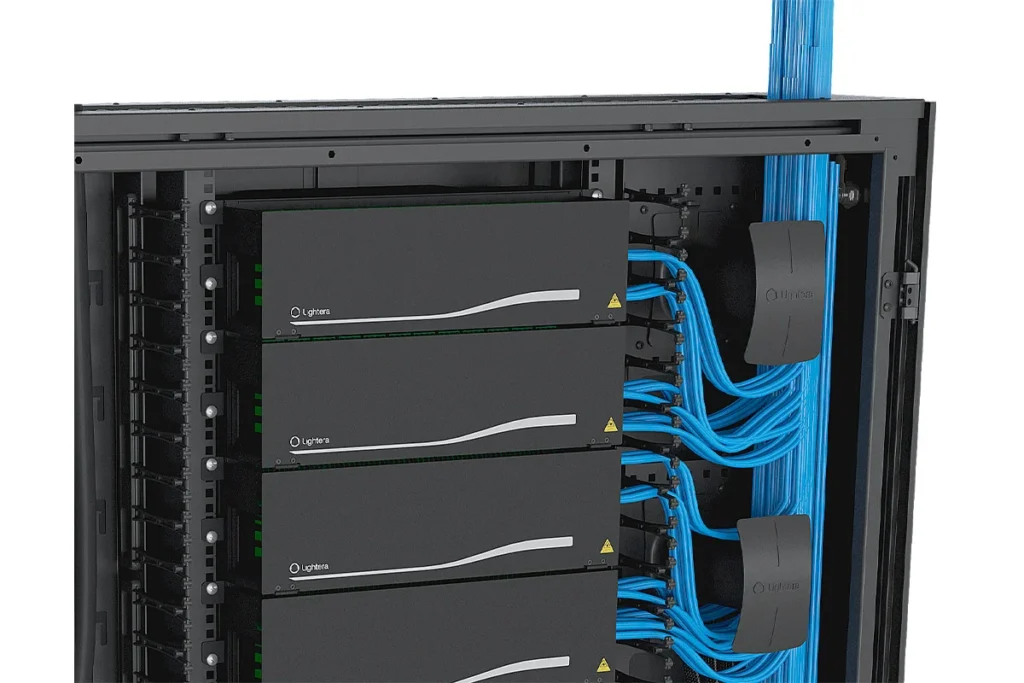
In an era defined by the explosive proliferation of Artificial Intelligence (AI), machine learning, and hyperscale cloud computing, the physical layer of the internet is facing an unprecedented stress test. As data centers grapple with the dual challenges of massive bandwidth requirements and limited physical space, Lightera—the unified global fiber optic powerhouse of the Furukawa Electric Group—has introduced a transformative solution: TeraPatch™.
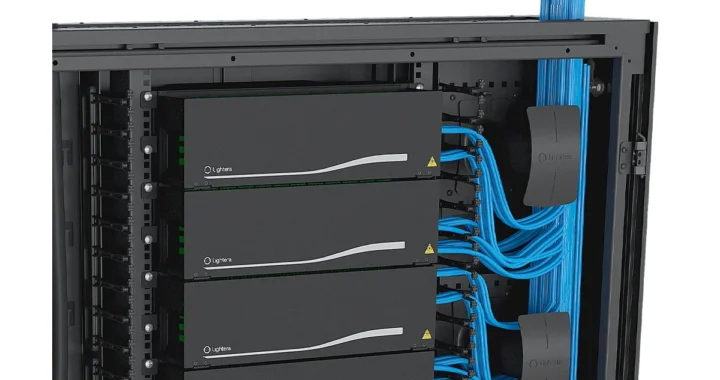
Designed to serve as the backbone for the next generation of data centers and telecommunications networks, TeraPatch™ is a modular, high-density optical infrastructure platform engineered to resolve the bottlenecks inherent in today’s high-traffic environments. By supporting up to 3,456 fibers in a single system, the platform addresses the urgent need for scalability in an industry where downtime is measured in millions of dollars and efficiency is the ultimate competitive advantage.
Main Facts: The Anatomy of TeraPatch™
At its core, TeraPatch™ is not merely a hardware product; it is a comprehensive architectural response to the "density dilemma." As AI-driven workloads demand more connections per square foot, traditional cable management systems have reached their breaking point.
Key Technical Specifications:
- High-Density Capacity: The platform facilitates the termination of up to 3,456 fibers within a single, optimized system.
- Rollable Ribbon Compatibility: Designed specifically for modern Rollable Ribbon cables, which offer superior density and flexibility compared to traditional fiber configurations.
- Modular Architecture: The system allows for incremental upgrades, meaning operators can scale their networks without the need for forklift upgrades or major structural overhauls.
- Versatile Application: The portfolio encompasses a wide array of optical cabinets and modules capable of handling transition, splicing, and termination.
By standardizing the modular approach, Lightera ensures that data center operators can deploy infrastructure that is "future-ready"—capable of supporting current 400G and 800G requirements while providing a clear path to the next iterations of high-speed connectivity.
Chronology: The Evolution of Fiber Management
The development of TeraPatch™ did not occur in a vacuum; it is the culmination of years of R&D within the Furukawa Electric Group ecosystem.
- Pre-2023: The Demand Spike: As AI models like GPT-4 and large-scale cloud migrations became standard, Lightera’s engineering teams identified a consistent pain point among major telecom providers and hyperscalers: the "cabling chaos" that ensues when fiber counts increase exponentially.
- Development Phase: Engineering teams in Brazil—a strategic hub for Lightera’s innovation—began conceptualizing a platform that could house thousands of fibers while maintaining accessibility for maintenance teams. The focus was on "Density without Disruption."
- 2024 Launch: The official unveiling of TeraPatch™ marks the transition from conceptual prototyping to market deployment.
- Strategic Rollout: The initial launch phase is currently focused on the Latin American market, a region experiencing rapid data center construction and digital infrastructure investment. Plans for global expansion are already in the pipeline, signaling Lightera’s intent to compete directly with global giants in the optical connectivity space.
Supporting Data: Why Density Matters
To understand the necessity of TeraPatch™, one must look at the math behind modern data centers. A typical hyperscale data center today may house tens of thousands of servers. Each server, when connected to top-of-rack switches and distributed across a spine-leaf architecture, generates a staggering volume of fiber interconnections.
The Efficiency Metric
In traditional systems, high-density setups often led to "cable congestion," where the physical volume of wires hindered airflow and made maintenance nearly impossible. TeraPatch™ addresses this through:
- Reduced Footprint: By maximizing fiber density per rack unit (RU), operators can free up valuable floor space for more compute power (servers/GPUs).
- OpEx Reduction: Maintenance teams can access individual fibers or modules without disturbing live traffic. In a 24/7 AI-driven environment, the ability to perform "hitless" upgrades is a game-changer.
- CapEx Optimization: Instead of investing in massive, over-provisioned infrastructure on Day One, operators can deploy TeraPatch™ modules as their capacity needs grow. This "pay-as-you-grow" model aligns capital expenditure with revenue-generating traffic.
Official Responses and Strategic Vision
The leadership at Lightera views TeraPatch™ as a cornerstone of their broader strategy to lead the digital transformation of infrastructure.
"Data center infrastructure is undergoing a major transformation, driven by a growing number of connections and the need for continuous evolution," explains Luiz Henrique Zimmermann Felchner, Senior Engineering Manager at Lightera. "TeraPatch™ helps organize this growth and prepares networks to keep pace with these changing demands."
For Felchner, the product is a response to the inevitability of change. He notes that the biggest failure in infrastructure planning is the assumption that the current network state will remain static. TeraPatch™ is built on the philosophy of "constant evolution."
Cássio Cardoso, Product Engineer (RCDD) at Lightera, emphasizes the regional and global significance of the launch: "Developed in Brazil, TeraPatch™ will initially be launched in Latin America, with plans to expand into additional markets. This initiative is part of the company’s strategy to develop technologies that address the evolving demands of digital infrastructure."
By keeping the design and engineering local, Lightera has been able to iterate quickly based on the specific, rugged, and high-growth needs of the Latin American market, providing a testing ground that is now ready for global scaling.
Implications: The Future of the Physical Layer
The introduction of TeraPatch™ has profound implications for three distinct segments of the industry:
1. The Hyperscale Data Center
For companies like AWS, Microsoft Azure, and Google Cloud, space is the most expensive commodity. TeraPatch™ allows these entities to densify their optical patching, potentially delaying the need to build new data centers by maximizing the throughput of existing facilities.
2. Enterprise and Colocation Providers
For colocation providers, the ability to offer "future-proofed" connectivity to tenants is a major differentiator. TeraPatch™ provides the modularity required to support a diverse set of client needs, from standard enterprise workloads to high-performance computing (HPC) clusters.
3. Edge Computing and Telecom
As 5G networks and edge computing push processing power closer to the user, space-constrained environments like micro-data centers are becoming the norm. TeraPatch™’s standardized, compact design makes it ideal for these "Edge" deployments, where the cost of a full-scale rack system is often prohibitive.
Conclusion: Balancing Performance and Sustainability
Ultimately, TeraPatch™ represents a bridge between the physical constraints of today’s infrastructure and the limitless demands of tomorrow’s digital economy. By streamlining the way we organize, terminate, and expand fiber optic networks, Lightera is helping the industry move past the "cabling bottleneck."
The focus on reducing both CapEx and OpEx is particularly timely. As economic headwinds force companies to scrutinize their technology budgets, a solution that promises to make networks more efficient while simultaneously increasing their capacity is highly compelling.
As Lightera continues to roll out TeraPatch™ across the globe, the platform is poised to become a standard for environments where reliability, density, and agility are non-negotiable. In the silent, humming world of the data center, TeraPatch™ provides the order necessary to keep the global AI machine running—seamlessly, efficiently, and at the scale the future demands.