






London, 12 August 2026 – In a significant move to reshape the environmental footprint of the global telecommunications sector, GSMA Industry Services has officially unveiled its new "Circularity Services" offering. This strategic initiative is designed to provide mobile operators and ecosystem partners with a robust framework to extend the lifespan of electronic devices, drastically reduce e-waste, and unlock latent financial value from redundant assets.
The launch, announced today in London, marks a turning point in how the mobile industry approaches the "take-make-dispose" model, transitioning instead toward a circular economy that prioritizes recovery, refurbishment, and responsible recycling.
The Core Offering: A Dual-Track Strategy
The GSMA’s new circularity portfolio debuts with two marquee commercial partnerships, each targeting a different, yet complementary, facet of the e-waste crisis.
1. Closing the Loop: The ‘One for One’ Philosophy
At the heart of the consumer-facing strategy is the "One for One" service. Pioneered by the social enterprise Closing the Loop, this program creates a direct, measurable link between the sale of a new mobile device and the mitigation of environmental impact. For every new device an operator sells, the program funds the collection and responsible recycling of one end-of-life device.
This model is particularly impactful in regions where formal waste collection infrastructure is nascent or non-existent, ensuring that hazardous electronic materials are diverted from landfills and safely processed.
2. RGX: Optimizing Enterprise Asset Disposition (EAD)
While "One for One" addresses consumer hardware, the GSMA is simultaneously tackling the enterprise sector through a partnership with RGX. RGX provides a neutral, automated, online marketplace for Enterprise Asset Disposition (EAD). By connecting organizations with a vetted network of service providers, the platform facilitates competitive bidding for redundant equipment. This ensures that telecom operators and large-scale enterprises can recover maximum financial value from idle assets while maintaining strict compliance with environmental regulations.
Chronology: From Recognition to Implementation
The road to this announcement reflects years of mounting industry pressure regarding the environmental cost of digital connectivity.
- 2023-2024: Industry leaders identified that device lifecycle management was becoming a significant ESG (Environmental, Social, and Governance) hurdle. Sustainability reports from major operators increasingly highlighted the carbon footprint associated with manufacturing new handsets.
- Early 2025: GSMA began identifying key "Circular Economy" innovators, conducting due diligence on potential partners that could offer scalability across global markets.
- Late 2025: Pilot programs involving major players like Vodafone, Samsung, and AT&T demonstrated the efficacy of the "One for One" and RGX models in controlled environments.
- August 2026: The formal launch of GSMA Circularity Services, consolidating these proven methodologies into a single, accessible platform for the global membership.
The Data Behind the Drive: Why Circularity Matters
The necessity for this initiative is underscored by sobering statistics regarding the global e-waste epidemic. According to recent industry data, the mobile industry produces millions of tonnes of e-waste annually. Beyond the environmental damage, this represents a massive loss of rare earth minerals—including gold, silver, copper, and cobalt—that are essential for future hardware production.
- Value Recovery: Studies suggest that enterprise hardware that sits idle for more than 18 months loses approximately 30-50% of its residual value.
- Material Efficiency: Through effective refurbishment and recycling, up to 90% of the raw materials found in a modern smartphone can theoretically be recovered and returned to the supply chain.
- Consumer Sentiment: Market research indicates that over 65% of mobile consumers are more likely to choose a brand that provides a transparent, verifiable end-of-life plan for their devices.
Official Perspectives: Industry Leaders Speak Out
The Vision for Scale
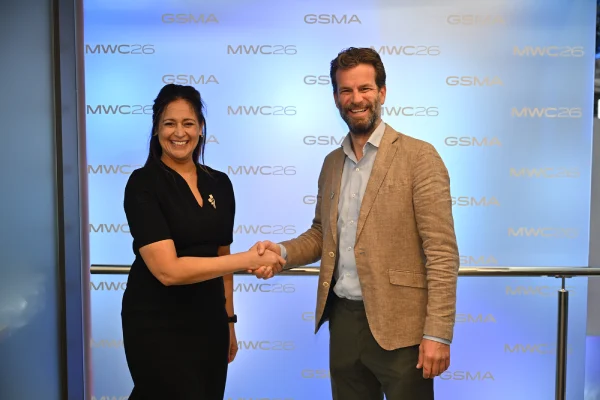
Sianne Ryder, Chief Executive Officer of Events and Industry Services at the GSMA, emphasized that sustainability and profitability are no longer mutually exclusive.
"The launch of Circularity Services marks an important step in helping operators take practical action," Ryder noted. "By bringing together solutions that support both responsible recycling and asset recovery, we are making it easier for organizations to reduce waste while unlocking greater value from existing assets. The opportunity is a win-win: circular approaches are both more sustainable and deliver meaningful operational and commercial benefits for the industry."
Closing the Loop on Consumer Impact
Joost de Kluijver, Co-founder and CEO of Closing the Loop, sees the GSMA partnership as a vital catalyst. "The GSMA is globally respected as a unifier of the mobile ecosystem. By linking one new device sold to the collection and responsible recycling of one end-of-life phone, we help operators take practical action. One for One is also a differentiator at the point of sale that adds clear value for customers and the brand."
Michael Jungwirth, Head of Sustainability at Vodafone Germany, echoed these sentiments, highlighting the cross-border nature of the initiative. "E-waste is a global problem. That’s why our solutions must not end at national borders. With One for One, we take responsibility and set an example for the industry. Not just a sign of change, but a sign of action."
The Enterprise Transformation
Sean Miles, Co-founder of RGX, stressed the importance of transparency in the B2B sector. "Innovation is only as good as its ability to scale. RGX helps organizations manage enterprise asset disposition and e-waste more efficiently through a trusted, transparent marketplace. We are helping operators turn circularity ambitions into action."
Roman Smith, Director of Global Environmental Sustainability at AT&T, confirmed the value of this approach: "RGX has been a valued strategic collaborator as we’ve developed our retail e-waste initiative. Their platform and expertise have helped support practical circularity solutions, and we appreciate the work they’ve done with our teams to advance more sustainable device recovery and recycling opportunities."
Implications: The Future of the Mobile Ecosystem
The introduction of GSMA Circularity Services carries significant implications for the future of the mobile industry:
1. Regulatory Compliance and ESG Reporting
With governments worldwide imposing stricter "Right to Repair" laws and extended producer responsibility (EPR) mandates, the GSMA offering provides a roadmap for compliance. Operators can now leverage these services to provide auditable reports on their sustainability progress, shielding them from the risks of "greenwashing" accusations.
2. A Shift in Consumer Experience
The "One for One" model allows mobile operators to pivot their marketing strategy. Instead of focusing solely on the "next big thing" in hardware, retailers can emphasize the "impact-neutral" nature of a purchase. This appeals to a growing demographic of eco-conscious consumers who view device ownership as a partnership between the user and the planet.
3. Operational Cost Efficiencies
For the enterprise side, the RGX marketplace introduces efficiency in what has traditionally been a fragmented, "opaque" market. By automating the disposition process, organizations reduce the administrative burden of asset recovery, improve their bottom line through competitive auctions, and reduce their reliance on linear supply chains.
4. Global Scalability
While the RGX platform is currently optimized for the United States, the GSMA’s involvement suggests a rapid international expansion. The organizational power of the GSMA will allow these services to be exported to developing markets, creating a global standard for how telecommunications hardware is handled from "cradle to grave."
Conclusion: A Call to Action
The GSMA’s Circularity Services offering is more than a logistical upgrade; it is a fundamental shift in the industry’s ethical compass. By providing the tools to manage the entire lifecycle of ICT assets, the GSMA is enabling the industry to decouple growth from environmental destruction.
As the industry moves toward 2030, the ability to demonstrate, track, and prove circularity will likely become a primary competitive advantage. For operators, the message is clear: the most valuable asset in the modern mobile era is not just the network, but the responsible management of the devices that connect us all.
For more information regarding the transition to circular business models, industry stakeholders are encouraged to visit the GSMA Circularity Services portal.