






In a defining moment for regional energy cooperation and climate policy, the Maine Public Utilities Commission (MPUC) granted approval in late August for a colossal dual-infrastructure initiative that promises to transform the landscape of Northern Maine. The project, centered on an 800-MW onshore wind farm developed by Clearway Energy Group LLC and a 1,200-MW high-voltage transmission line spearheaded by utility giant Avangrid, represents the largest renewable energy investment in the state’s history.
This project is not merely a regional upgrade; it is a critical pivot point for New England’s decarbonization strategy. As the region faces mounting pressure to meet aggressive clean energy mandates, the Maine initiative serves as a litmus test for interstate collaboration in an era of rising electricity demand and volatile energy costs.
The Core Infrastructure: Bridging Resources and Demand
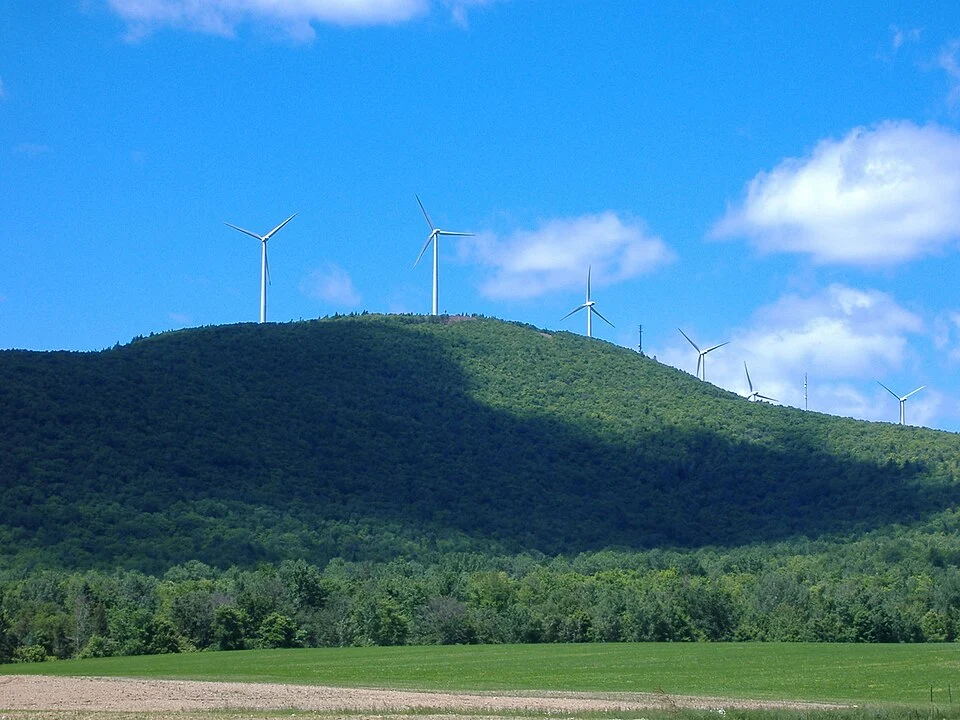
The project’s geography is as strategic as its scale. The wind generation site, situated in the windswept expanse of Aroostook County, will capitalize on one of the most potent wind resources in the Northeast, bordering Canada. The output from these turbines will be funneled into a massive 111-mile transmission artery. This line will originate in Haynesville, Aroostook County, and stretch south to Pittsfield, Maine, where it will integrate directly into the regional power grid managed by ISO New England.
While Maine will be the primary beneficiary—securing roughly 600 MW of the wind farm’s output for its own residential and commercial use—the remaining capacity is earmarked for the broader New England market. This includes Connecticut, Massachusetts, Rhode Island, and Vermont. By anchoring this massive generation source in Northern Maine, the project aims to inject significant, low-cost renewable energy into a grid that is currently struggling to balance legacy reliance on fossil fuels with the rapid electrification of the heating and transportation sectors.
Chronology of Development: From Policy to Procurement
The journey toward this approval began years ago, rooted in Maine’s 2025 Energy Plan, which mandates a 90% clean energy transition by 2030 and a full 100% by 2040. However, the logistical path was fraught with the complexities of interstate governance.
- Initial Planning and Forecasting: Recognizing the looming supply gap, the New England states began assessing regional load requirements. Projections from ISO New England indicate that regional electricity consumption is set to grow by 9% by 2035, necessitating immediate grid hardening and generation expansion.
- The Regulatory Green Light: On August 26, the MPUC finalized its approval of the project, setting the stage for contract negotiations. This decision followed intense deliberations regarding cost allocation, which had previously been a point of contention among the participating states.
- Strategic Procurement: Unlike traditional projects, this initiative required a delicate balancing act of cost sharing. The states agreed to a model where transmission costs are shared proportional to the value provided to each jurisdiction. Notably, Maine’s financial exposure is capped at 11%, shielding local ratepayers from the bulk of the construction burden.
- Future Milestones: The project now moves into a multi-year phase of federal oversight. This includes rigorous environmental impact reviews and the critical necessity of Federal Energy Regulatory Commission (FERC) approval for the transmission line.
Supporting Data: Why This Project Matters
The urgency of this development is underscored by a sobering statistic: approximately 50% of Maine’s residential heating is currently dependent on oil. This heavy reliance leaves the state vulnerable to global market fluctuations, driving the government’s ambitious target to reduce that figure to 30% by 2030.
The economic and energy-security arguments for the project are substantial:
- Cost Savings: Official projections estimate a potential $387 million in savings for electricity customers over the 30-year lifespan of the project.
- Project Scale: At 800 MW of wind generation, the project dwarfs the state’s current 900 MW of operating onshore wind capacity, nearly doubling the state’s wind-powered output in a single stroke.
- Regional Synchronization: The project aligns Maine’s energy goals with those of its neighbors. Rhode Island (2033), Vermont (2035), Connecticut (2040), and Massachusetts (2050) all have distinct, aggressive timelines for achieving 100% clean energy, making this regional grid integration a matter of existential necessity for the New England energy market.
Official Perspectives: A Model for the Nation
The political and corporate response to the project has been a blend of cautious optimism and strategic pride. Gov. Janet Mills highlighted the dual benefits of the project in a recent statement, noting that "developing new energy resources and transmission in Northern Maine can help deliver more affordable and reliable power, strengthen our grid, reduce Maine’s exposure to energy cost volatility, and create thousands of jobs and new economic opportunities in rural communities."
Commissioner Patrick Scully, in a laudatory assessment of the interstate cooperation required, suggested that the project stands as a national blueprint. "This project has demonstrated that separate sovereign governments can work together to plan for and procure significant transmission and generation investments, and most surprisingly, agree on how to share the costs and benefits," Scully remarked. "I think this effort deserves national attention."
Conversely, the project has not been without its detractors. Critics, including Maine Rep. Reagan Paul, have voiced concerns regarding the potential for cost overruns and the long-term impact on ratepayers, highlighting the friction between ambitious climate policy and fiscal caution.
From the developer’s perspective, the focus is now on execution. Nick Benjamin, Clearway Energy’s senior development director, emphasized the project’s longevity: "This project will deliver lasting economic benefits for northern Maine and help stabilize energy bills for decades to come." Meanwhile, Avangrid spokesperson Jon Breed noted that while the project faces a dense schedule of engineering and environmental permitting, the team intends to leverage existing power corridors and rights-of-way to minimize ecological disruption.
Implications: The Road Ahead
As the project shifts from the boardroom to the field, several key challenges remain. Commissioner Carrie Gilbert has been vocal about the difficulties of coordinating across different procurement processes and legislative schedules. Furthermore, the reliance on voluntary agreements that must be submitted to FERC creates a layer of bureaucratic uncertainty that could impact the construction timeline.
The project is currently in the contract negotiation phase, with no specific contractors named as of late August. As these specifics are finalized, stakeholders will be watching closely to see how the project handles the logistics of construction in the rugged climate of Aroostook County.
Ultimately, the Clearway-Avangrid initiative is more than a wind farm and a transmission line. It is a bold, high-stakes attempt to resolve the "trilemma" of energy policy: balancing affordability, reliability, and environmental sustainability. By connecting the remote, high-wind potential of Maine’s northern border to the dense population centers of Southern New England, the project addresses the supply-demand imbalance that has plagued the region for decades.
If successful, the Maine initiative will not only reach the state’s goal of 100% clean energy by 2040 but will also serve as a foundational case study for regional grid integration. As the climate crisis necessitates faster transitions away from fossil fuels, the ability to coordinate across state lines—and to share the heavy financial burden of infrastructure—will be the defining factor in whether the Northeast can successfully navigate the energy transition. For now, all eyes are on Aroostook County, where the future of New England’s power grid is beginning to take shape.