






For any electrical professional, the mastery of splicing and tapping conductors is the cornerstone of a successful installation. Whether working on a commercial build-out, an industrial facility, or a complex residential infrastructure project, the efficiency of the power distribution system relies heavily on the integrity of its connections. Selecting the right connector is not merely a matter of hardware choice; it is a strategic decision that impacts labor costs, long-term maintenance, and site safety.
In an industry where time is the most valuable commodity, pre-insulated connectors have emerged as the gold standard for splicing and tapping. As the original innovator of this technology, Polaris® has spent over 35 years refining these components, transforming a labor-intensive, multi-step process into a streamlined, all-in-one solution.
Main Facts: The Anatomy of Modern Connectivity
At their core, pre-insulated connectors serve a fundamental purpose: facilitating the flow of current between conductors of varying types and sizes. While they appear simple, their design reflects decades of engineering intended to bridge the gap between ease of installation and rugged durability.
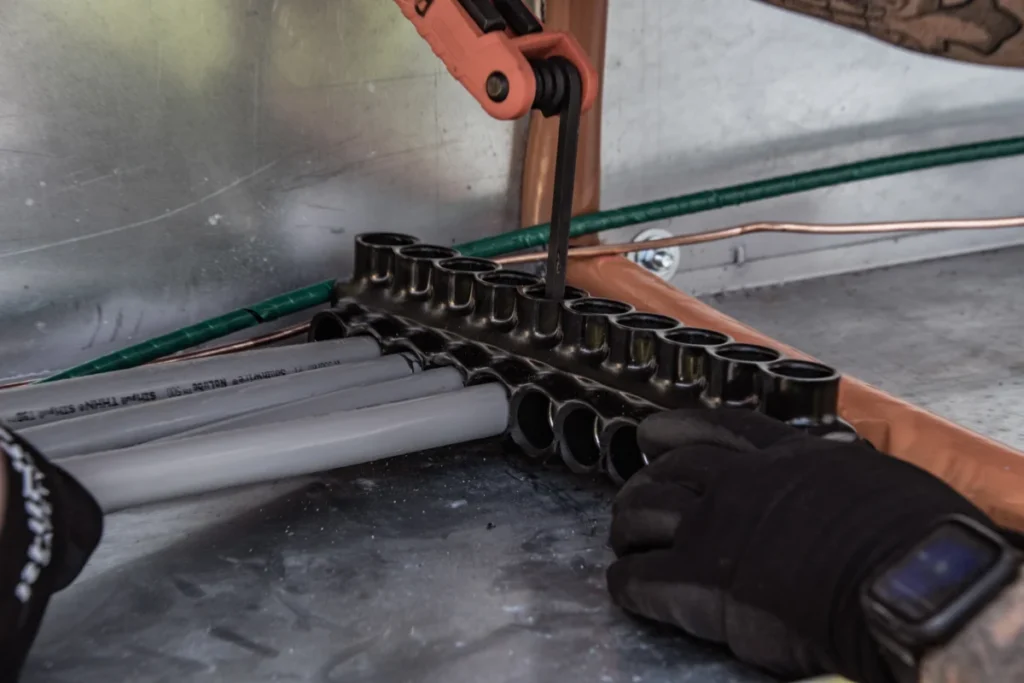
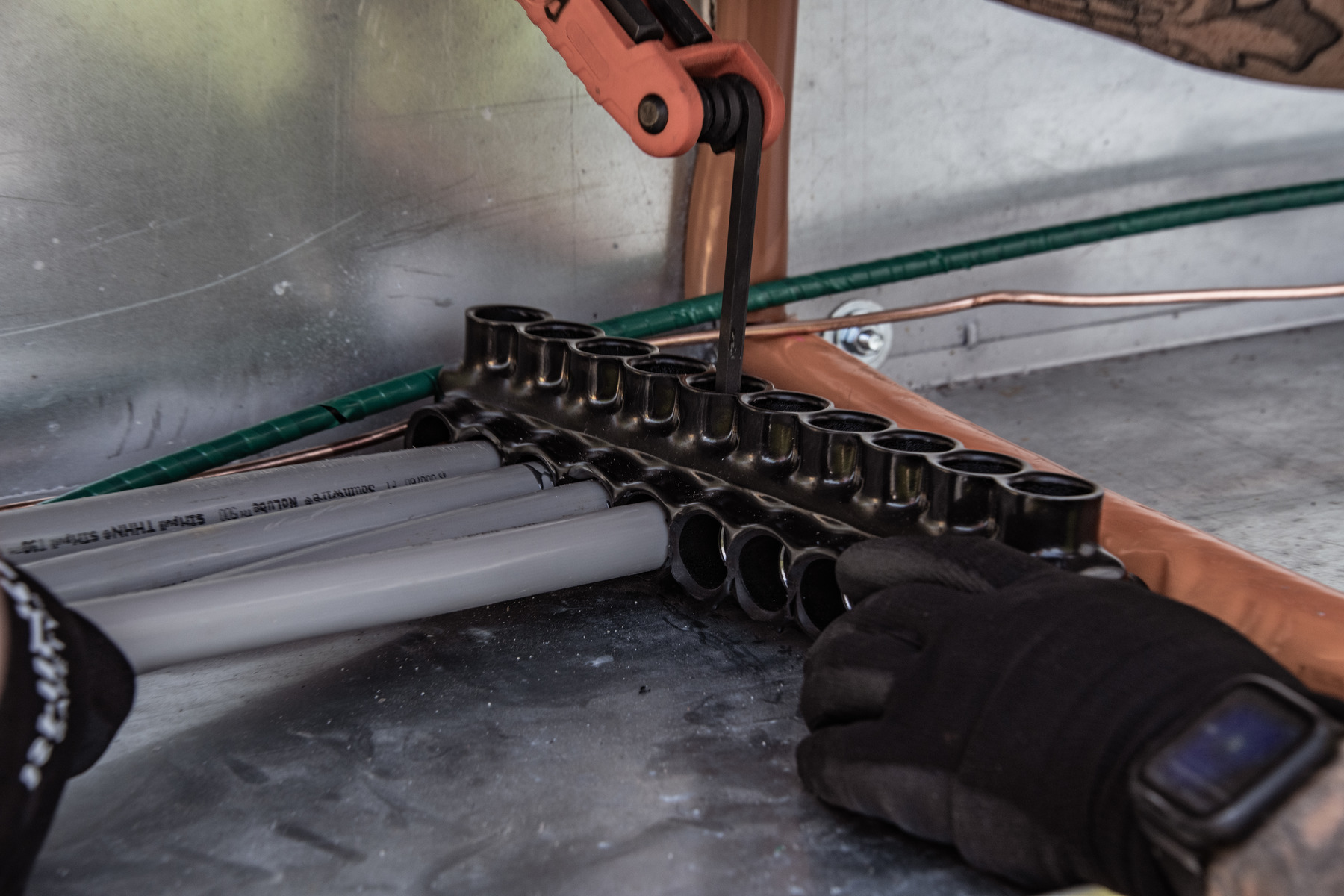
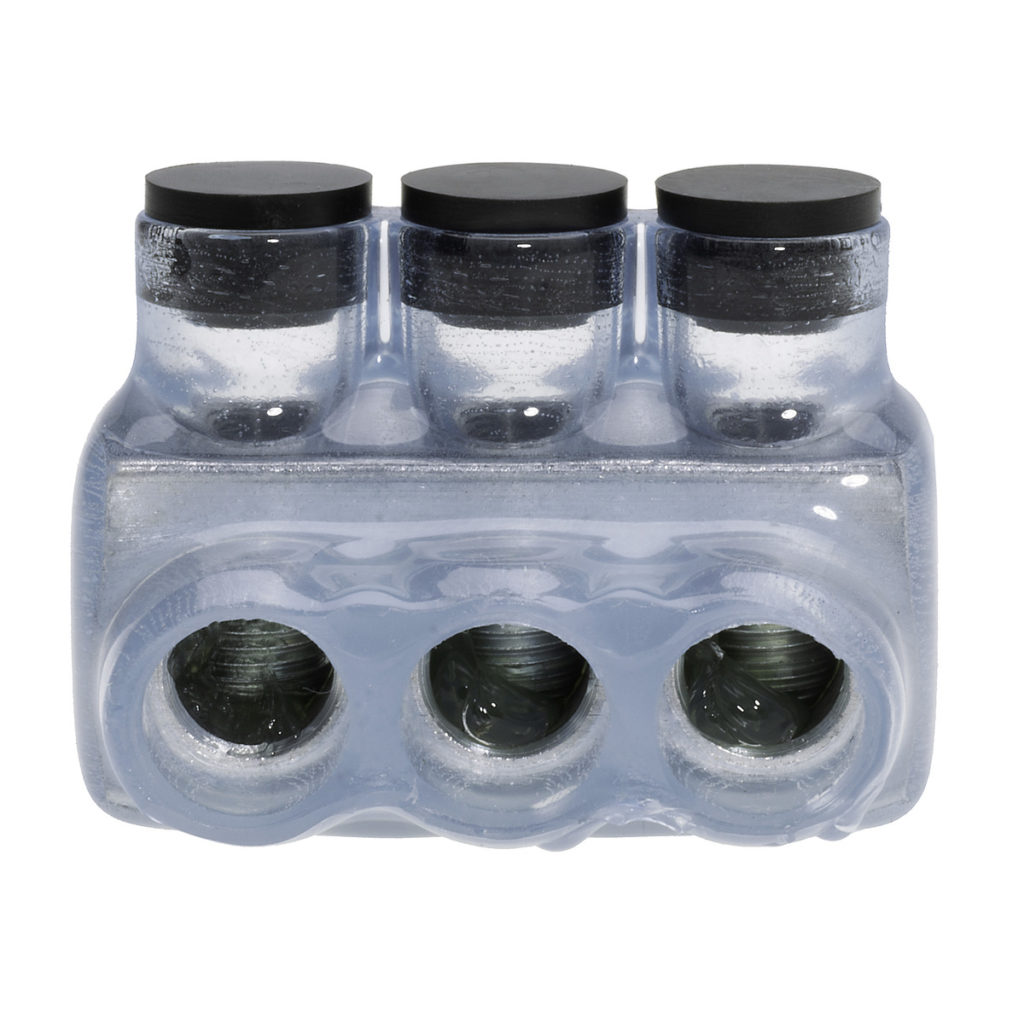
A standard pre-insulated connector consists of a high-strength, conductive metal body housed within a durable, dielectric insulation sleeve. Each port within the unit features a precision-engineered screw mechanism. To form a secure, low-resistance joint, an electrician simply strips the conductor, inserts it into the port, and tightens the screw against the metal body. Once the connection is set, the screw port and any unused entry points are sealed with integrated plugs.
The versatility of this design is staggering. Modern portfolios, such as the Polaris range, offer configurations featuring anywhere from 2 to 12 wire ports. These units accommodate a broad spectrum of wire sizes, ranging from #14 AWG to 750 KCMIL, and are available in inline, single-side, and dual-side entry orientations. This adaptability ensures that regardless of the spatial constraints—whether in a congested cable tray or a spacious junction box—there is a connector engineered for the specific physical requirements of the job.
Chronological Evolution: From Taping to Integrated Insulation
To understand the value of modern pre-insulated connectors, one must look at the historical "pain points" of the trade. For decades, the industry relied on traditional mechanical connectors that required manual insulation. This process involved wrapping exposed metal joints in layers of electrical tape, mastic, or heat-shrink tubing.
The Era of Manual Insulation
In the mid-20th century, splicing conductors was a time-consuming affair. Electricians had to ensure that the mechanical splice was not only electrically sound but also perfectly insulated. Inadequate taping led to moisture ingress, short circuits, and potential arc flashes. The "human error" factor was high; if a technician was fatigued or working in a tight, dimly lit crawlspace, the quality of the insulation could suffer.
The Innovation of Pre-Insulated Technology
Recognizing these inefficiencies, the industry began to shift toward pre-insulated units in the late 1980s. Polaris was at the forefront of this shift, introducing a design where the insulation was molded directly onto the connector body. This effectively removed the "taping" step from the workflow.
Over the last 35 years, this evolution has progressed from simple, single-port connectors to complex, multi-port arrays capable of handling high-amperage, fine-stranded, and parallel-run conductors. Today, the focus has shifted toward ergonomic design—ensuring that the housing is not only functional but also gentle on the hands during the installation of hundreds of units in a single shift.
Supporting Data: Why "All-In-One" Saves Money
The transition to pre-insulated connectors is supported by compelling labor data. When a project manager estimates an electrical installation, labor represents the largest variable.
1. The Labor Multiplier
Consider the time difference between traditional and pre-insulated methods. A traditional splice requires:
- Stripping the wire.
- Installing the mechanical connector.
- Applying the primary insulation (tape).
- Applying secondary protection (mastic/weatherproofing).
By contrast, the pre-insulated workflow is reduced to:
- Stripping the wire.
- Inserting the conductor.
- Securing the screw.
This process eliminates the need for consumable materials like rolls of tape and reduces the total installation time per connection by an estimated 40% to 60%. Across a large-scale project involving thousands of connections, this represents hundreds of billable hours saved.
2. Ergonomics and Site Safety
Working in cable trays or raceways often requires reaching into tight, cramped areas. The rounded, ergonomic design of modern pre-insulated connectors minimizes the risk of cuts or abrasions to the technician’s hands. Furthermore, the insulation layer is chemically resistant and abrasion-resistant, providing a level of physical protection that traditional tape-wraps cannot guarantee.
3. Environmental Resilience
Modern connectors are rated for a variety of environments. Many are designed to be "sealed" units, meaning that once the ports are plugged, they are protected against debris, dust, and moisture. Specialized versions even allow for direct burial or temporary submersion, providing a level of reliability that gives contractors peace of mind when working in harsh exterior conditions.
Official Perspectives: Quality and American Manufacturing
In discussions regarding electrical infrastructure, the distinction between "commodity hardware" and "engineered solutions" is vital. Polaris, as a leading manufacturer, emphasizes that the quality of the raw materials and the precision of the manufacturing process are what set high-end connectors apart from generic alternatives.
"Polaris is an established brand with a reputation for innovation and quality," notes the company’s internal standards documentation. "We know electrical connectors, and we manufacture ours in America to guarantee the highest standard of quality with quick lead times."
For professional contractors, the "Made in USA" designation serves as a proxy for supply chain reliability. In an era where global logistics can be volatile, having a domestic manufacturer that offers a vast range of sizes—and even custom manufacturing for unique, one-off project requirements—is a critical strategic advantage.
Furthermore, the company highlights that their connectors are often the "most asked for by name." This brand recognition is not merely about marketing; it is about the trust that master electricians place in the product’s performance under load. Whether using the Polaris Grey for fine-stranded wires or UV-resistant versions for exposed, outdoor environments, the reliability of the component is the final barrier against system failure.
Implications for the Future of Electrical Contracting
The implications of adopting advanced connector technology are clear: contractors who leverage superior components increase their capacity for complex projects.
Reducing Call-Backs and Liability
The most significant cost in any electrical project is the "call-back." If a splice fails due to moisture ingress or a loose connection, the cost of repair—including troubleshooting, site visits, and potential damage to equipment—far outweighs the cost of the original connector. Using a high-quality, pre-insulated connector that is purpose-built for the application reduces the likelihood of these failures.
Adapting to Modern Wire Types
As the industry moves toward more sustainable building practices and higher energy efficiency, the types of conductors being used are evolving. The rise of fine-stranded wires, which offer better flexibility but present unique challenges for traditional mechanical connectors, requires specialized engineering. Pre-insulated connectors like those offered by Polaris are designed to accommodate these modern wire types, ensuring that as technology changes, the connection remains robust.
The Role of Customization
Not every project fits a standard configuration. As electrical designs become more intricate, the ability to source custom-manufactured connectors or parallel-rated configurations becomes essential. This flexibility allows engineers to push the boundaries of design without worrying that the physical connection point will become the "weak link" in the circuit.
Conclusion
The humble electrical connector is, in many ways, the most critical component in any electrical system. It is the point of transition where power is distributed, and it is the point where failure is most likely to occur if the hardware is substandard.
By choosing pre-insulated connectors, electricians are choosing a proven, efficient, and reliable path forward. Whether it is the ergonomic design that protects the technician, the time-saving installation process that protects the project budget, or the advanced materials that protect the circuit from environmental hazards, these connectors represent the pinnacle of modern electrical utility.
As the industry continues to evolve, the demand for quality, innovation, and domestic manufacturing will only grow. For the electrician on the job, the message is clear: stick with the original, rely on proven quality, and ensure that every connection is built to last.