




Introduction: The Infrastructure Imperative
As the global economy accelerates its transition toward an AI-centric paradigm, the physical layer of the internet—the fiber optic backbone—is facing an unprecedented stress test. The explosive demand for high-performance computing (HPC) and massive cloud workloads has necessitated a radical rethink of how data centers are interconnected. Addressing this critical juncture, Lightera, the unified global fiber optic entity of the Furukawa Electric Group, has officially unveiled TeraPatch™, a modular optical infrastructure solution engineered to facilitate the next generation of data-intensive networking.
TeraPatch™ is not merely a hardware upgrade; it is a strategic response to the physical limitations of current data center architectures. By offering high-density fiber management that bridges the gap between today’s bandwidth requirements and the unyielding growth of AI-driven traffic, Lightera is positioning itself as a vital architect of the digital age.
Main Facts: The Architecture of TeraPatch™
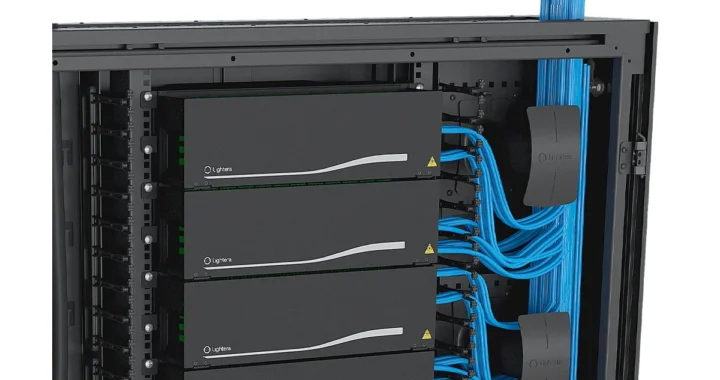
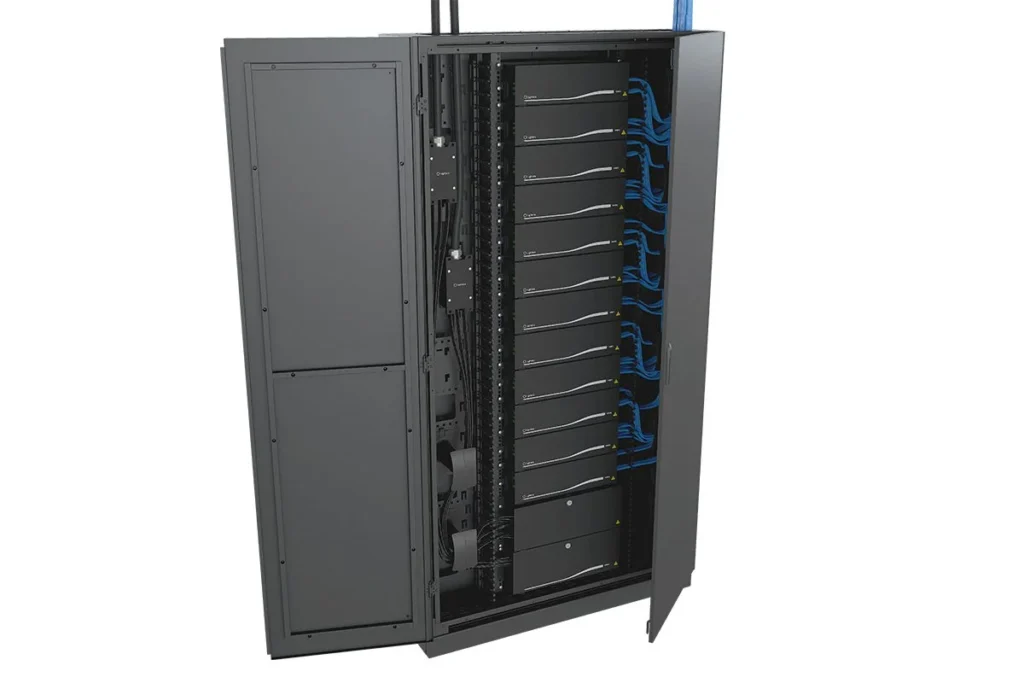
At its core, TeraPatch™ is a standardized, modular optical platform designed to provide agility in environments where space and downtime are the primary constraints.
Key Technical Specifications:
- Density at Scale: The system supports the termination of up to 3,456 fibers within a single, unified system, specifically optimized for Rollable Ribbon fiber technology.
- Modular Versatility: The portfolio encompasses a comprehensive suite of optical cabinets and modules capable of handling transition, splicing, and termination.
- Operational Simplicity: The architecture is designed to allow for "live" network expansions, meaning operators can scale their bandwidth capacity without disrupting existing, critical data traffic.
- Environmental Compatibility: From hyperscale data centers—the sprawling giants of the cloud—to smaller colocation and edge computing sites, the platform is designed to be agnostic, fitting into diverse physical footprints.
By streamlining the cable organization process, TeraPatch™ eliminates the "spaghetti cabling" often found in legacy data centers, which is a primary cause of airflow blockage, maintenance errors, and thermal inefficiencies.
Chronology: The Evolution Toward TeraPatch™
The development of TeraPatch™ reflects a multi-year effort by Lightera to synthesize the vast expertise of the Furukawa Electric Group’s global fiber operations.
- Market Analysis Phase: Over the past three years, Lightera’s engineering teams conducted deep-dive studies into the challenges faced by data center operators. The primary pain point identified was the "density gap"—the inability of traditional patching systems to keep pace with the massive fiber counts required by 400G and 800G optical transceivers.
- R&D and Design: Leveraging their extensive R&D capabilities in Brazil, Lightera’s engineers focused on a "modular-first" design philosophy. The goal was to move away from rigid, single-purpose infrastructure toward a "Lego-like" system that could evolve alongside hardware refreshes.
- Prototype and Pilot: Throughout the last eighteen months, the solution underwent rigorous testing in simulated high-load environments, ensuring that the 3,456-fiber termination density could be managed without compromising signal integrity.
- Launch Phase: The formal announcement marks the beginning of the initial rollout in Latin America. This phase is designed to establish a regional footprint before the platform is scaled for the global market, aligning with the company’s broader strategy of localization and regional technical support.
Supporting Data: The Pressure on Modern Data Centers
The demand for TeraPatch™ is grounded in the macroeconomic shift toward Artificial Intelligence. According to industry analysts, AI-driven traffic is expected to grow by a compound annual growth rate (CAGR) that traditional optical distribution frames simply cannot support.
The Density Problem
Data centers are currently transitioning from standard 10G/40G configurations to 400G and 800G, with 1.6T on the horizon. This leap requires an exponential increase in fiber counts. Traditional infrastructure consumes valuable square footage to manage these fibers, driving up the cost per rack unit. TeraPatch™ mitigates this by maximizing the fiber-to-space ratio, allowing operators to defer the high costs of expanding physical facilities.
Operational Expenditures (OpEx) and Maintenance
The "time-to-deploy" is a critical metric for data center operators. A standard manual cabling upgrade can take days or weeks, with significant risks of human error. By providing a structured, modular environment, TeraPatch™ reduces the time required for new fiber termination by an estimated 30–40% compared to traditional, non-modular systems.
Official Responses: Insights from Lightera Leadership
The launch of TeraPatch™ is viewed by Lightera’s leadership as a pivotal milestone in the company’s ongoing mission to simplify the complexities of modern networking.
Luiz Henrique Zimmermann Felchner, Senior Engineering Manager at Lightera, stated:
"Data center infrastructure is undergoing a major transformation, driven by a growing number of connections and the need for continuous evolution. TeraPatch™ helps organize this growth and prepares networks to keep pace with these changing demands. We aren’t just selling a cabinet; we are providing a blueprint for sustainable growth in an era where data demand is infinite."
Cássio Cardoso, Product Engineer (RCDD) at Lightera, emphasized the regional focus and global vision:
"Developed in Brazil, TeraPatch™ will initially be launched in Latin America, with plans to expand into additional markets. This initiative is part of the company’s strategy to develop technologies that address the evolving demands of digital infrastructure. We recognize that our partners in the region need world-class reliability, and this product brings that level of engineering to their doorstep."
Implications: A New Standard for Infrastructure
The introduction of TeraPatch™ carries significant implications for the data center industry at large, impacting capital expenditure, long-term scalability, and sustainability.
1. Financial Efficiency (CapEx and OpEx)
In the high-stakes environment of data center management, capital is often tied up in "over-provisioning"—building for a future that may or may not materialize exactly as predicted. TeraPatch™ allows for a "pay-as-you-grow" model. Operators can start with a baseline configuration and add modules as capacity demand increases, effectively optimizing CapEx and ensuring that capital is deployed only when revenue-generating capacity is needed.
2. The "Future-Proof" Advantage
One of the most persistent issues in data center management is the "stranded asset" problem—where infrastructure becomes obsolete because it cannot accommodate new technologies. By prioritizing a modular, flexible architecture, TeraPatch™ ensures that the physical layer of the network does not become a bottleneck for future hardware refreshes, such as the introduction of new transceiver types or even higher-density fiber standards.
3. Sustainability and Space Optimization
As data centers face increasing scrutiny regarding their energy and spatial footprints, the ability to do more with less becomes a competitive advantage. By optimizing cable paths and reducing the physical hardware required to manage high-density fiber, TeraPatch™ indirectly contributes to better airflow and thermal management. This leads to lower cooling requirements—a major contributor to a data center’s total carbon footprint.
4. Market Expansion Strategy
By launching initially in Latin America, Lightera is signaling its intent to dominate an emerging market that is currently undergoing rapid digital transformation. As Latin American governments and enterprises continue to invest heavily in connectivity and cloud services, the availability of localized, high-performance infrastructure like TeraPatch™ provides a significant advantage over imported, "one-size-fits-all" solutions.
Conclusion: Preparing for the Hyper-Connected Future
The launch of TeraPatch™ marks a significant moment for Lightera and the broader fiber optic industry. As the world becomes increasingly reliant on the invisible threads of fiber that power AI models, cloud clusters, and high-performance research, the importance of the physical infrastructure layer cannot be overstated.
TeraPatch™ provides a sophisticated, scalable, and efficient solution to the problems of today, while maintaining the flexibility required to tackle the unknown challenges of tomorrow. By focusing on the intersection of density, modularity, and operational simplicity, Lightera has positioned itself as a leader in the race to build the next generation of data infrastructure. As the technology expands from the Brazilian market to the global stage, its impact on the reliability and efficiency of the world’s digital backbone is likely to be profound.