






Palo Alto, CA – [Insert Date] – The rapid integration of Artificial Intelligence (AI) into the modern workplace is ushering in a new era of productivity and innovation. From sophisticated coding assistants that streamline software development to autonomous agents capable of accessing sensitive data and executing complex commands, AI-enabled tools are fundamentally transforming how work gets done. However, this technological leap presents a significant and growing challenge to traditional endpoint security models, which are proving increasingly inadequate in providing the necessary visibility, governance, and proactive defense against these novel threats.
The burgeoning landscape of AI agents and AI-enabled tools operates with a level of autonomy and access that bypasses the conventional perimeter-centric security approaches. These agents, designed to interact directly with endpoints, can now modify local workflows, access proprietary information, and execute commands without direct human oversight. This paradigm shift leaves organizations vulnerable, creating a critical security gap that requires immediate attention and innovative solutions.
The Alarming Security Gap: A Race Against Time
The current state of AI security adoption is starkly revealed by recent industry data. A mere 6% of organizations possess an advanced AI security strategy, underscoring a widespread lack of preparedness for the evolving threat landscape. This deficiency is compounded by the alarming speed at which cyberattacks can unfold in the age of AI. The 2026 Unit 42 Global Incident Response Report highlights a chilling statistic: the fastest attacks can progress from initial access to data exfiltration in an astonishingly short 72 minutes. This rapid escalation leaves little room for error and demands a security posture that is both agile and deeply informed.
As AI adoption continues its exponential growth, the imperative for organizations to gain comprehensive context around AI-driven activities becomes paramount. This context is crucial for effective risk prioritization, enabling security teams to focus their resources on the most significant threats. Furthermore, having readily available, expert response capabilities is essential to ensure that businesses can confidently embrace the transformative potential of AI without succumbing to its inherent risks.
Introducing Unit 42 Managed Agentic Endpoint Security: A Proactive Defense for the AI Frontier
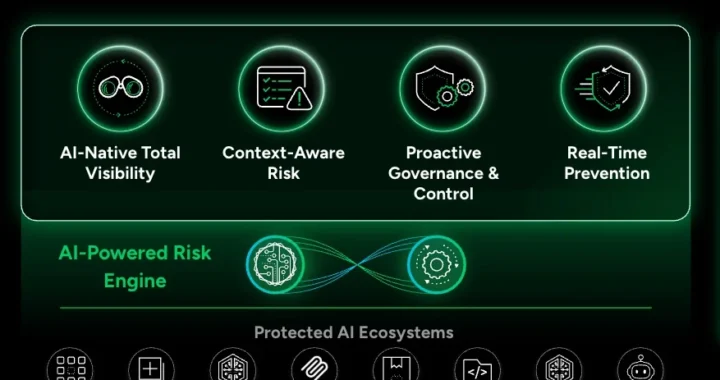
In response to this pressing need, Palo Alto Networks today announced the launch of Unit 42 Managed Agentic Endpoint Security (Managed AES). This groundbreaking service is built upon Cortex AES, Palo Alto Networks’ innovative AI-native endpoint security platform. Cortex AES is engineered to provide unparalleled visibility, contextual risk intelligence, and robust protection specifically designed for the unique challenges posed by AI agents and their associated artifacts.
Managed AES elevates these capabilities by integrating 24/7 expertise from the renowned Unit 42 threat intelligence and incident response team. This human-led oversight transforms raw data into actionable insights, empowering organizations to effectively manage AI governance, conduct proactive threat hunting, investigate and respond to emerging threats, and implement essential AI-related cyber hygiene practices. By applying expert human judgment, Managed AES translates contextual intelligence into prioritized policy recommendations and decisive actions, ensuring that security strategies remain adaptive and effective in the face of a constantly evolving AI environment.
Continuous Expert Defense for the AI Environment
Managed AES delivers a continuous stream of Unit 42 expertise, meticulously addressing four critical areas of AI endpoint security:
1. AI Governance and Policy Enforcement:
The autonomous nature of AI agents necessitates a robust framework for governance. Managed AES provides the necessary tools and expertise to establish and enforce clear policies around AI agent deployment, data access, and operational parameters. This includes:
- Defining AI Agent Behavior: Establishing baseline behaviors and acceptable operational limits for all AI agents operating within the organization’s network. This involves understanding what data AI agents are authorized to access, what commands they can execute, and what modifications they can make to local systems.
- Data Access Control for AI: Implementing granular controls to ensure AI agents only access the minimum data necessary for their intended function, significantly reducing the risk of accidental or malicious data exposure.
- Command Execution Oversight: Monitoring and auditing all commands executed by AI agents, providing an audit trail for accountability and enabling the detection of anomalous or unauthorized actions.
- Continuous Policy Refinement: Leveraging Unit 42’s threat intelligence to identify new risks and vulnerabilities associated with AI agent usage, and continuously updating governance policies to address these emerging threats. This ensures that policies remain relevant and effective as the AI landscape evolves.
2. AI Threat Hunting and Proactive Detection:
The speed and sophistication of AI-powered threats demand a proactive approach to security. Managed AES augments an organization’s internal security team with Unit 42’s elite threat hunters, who are equipped with deep knowledge of the latest AI-driven attack vectors. This includes:
- Identifying Novel Attack Techniques: Continuously searching for new and emerging attack methods that leverage AI agents, such as prompt injection attacks, adversarial machine learning techniques, or AI-driven reconnaissance.
- Detecting Malicious AI Artifacts: Identifying and analyzing AI models or code that have been compromised or are designed for malicious purposes, preventing their deployment or use within the organization.
- Behavioral Anomaly Detection: Establishing and monitoring behavioral baselines for AI agents and endpoints to detect deviations that may indicate a compromise or malicious activity, even if traditional signature-based detection methods fail.
- Contextualizing Alerts: Providing human analysis to contextualize security alerts generated by Cortex AES, differentiating between legitimate AI operations and potential threats, thereby reducing alert fatigue and improving response efficiency.
3. AI-Related Incident Investigation and Response:
When an incident occurs, rapid and effective response is critical to minimize damage. Managed AES provides 24/7 access to Unit 42 incident responders, who possess specialized expertise in handling AI-related security breaches. This includes:
- Rapid Triage and Containment: Quickly assessing the scope and impact of an AI-related incident, and implementing immediate containment measures to prevent further spread or damage.
- Forensic Analysis of AI Operations: Conducting in-depth forensic investigations into the actions of compromised AI agents, understanding their attack vectors, and identifying the extent of data exfiltration or system compromise.
- Root Cause Analysis: Determining the underlying cause of the incident, whether it’s a vulnerability in the AI agent, a misconfiguration, or a sophisticated external attack.
- Remediation and Recovery: Developing and executing comprehensive remediation plans to eradicate the threat, restore affected systems, and prevent recurrence.
- Post-Incident Review and Lessons Learned: Conducting thorough post-incident reviews to identify areas for improvement in security posture and operational procedures, and sharing these lessons learned with the organization.
4. AI Cyber Hygiene and Best Practices:
Beyond incident response, Managed AES focuses on fostering a culture of strong AI cyber hygiene throughout the organization. This proactive approach aims to prevent incidents before they occur. This includes:
- AI Security Awareness Training: Educating employees on the risks associated with AI tools and the importance of adhering to AI governance policies.
- Secure AI Development Lifecycle: Advising on best practices for developing and deploying AI applications securely, from initial design to ongoing maintenance.
- Regular Security Audits: Conducting periodic audits of AI agent usage and configurations to identify and address potential security weaknesses.
- Vulnerability Management for AI Ecosystems: Identifying and mitigating vulnerabilities within the broader AI ecosystem, including third-party AI tools and platforms.
Expert Protection Across Your AES Environment
Palo Alto Networks understands that organizations operate with diverse IT infrastructures and security needs. To accommodate this, Managed AES offers flexible deployment models for Cortex AES, ensuring that organizations can choose the platform configuration that best suits their environment. Regardless of the chosen deployment model, customers will receive the same high level of 24/7 expert security coverage from the Unit 42 team. This allows for a seamless integration of advanced AI security capabilities without requiring a complete overhaul of existing infrastructure.
Organizations can select from various Cortex AES deployment options, each designed to integrate deeply with their existing security stack and operational workflows. Whether an organization prefers a cloud-native solution, an on-premises deployment, or a hybrid approach, Cortex AES provides the underlying technology, and Managed AES ensures the crucial human-led expertise is always at the ready. This approach ensures that the commitment to securing AI adoption is not hindered by infrastructure limitations.
Securely Scale AI Adoption with Confidence
The transformative power of AI is undeniable, but its successful integration hinges on the ability of organizations to manage its inherent risks. Unit 42 Managed AES is designed to empower security teams with the essential tools and expertise to understand how AI is being utilized, proactively address emerging risks before they escalate, and respond with speed and precision when threats inevitably emerge.
By seamlessly combining the deep contextual intelligence provided by Cortex AES with the frontline threat intelligence and unparalleled analytical capabilities of Unit 42 experts, Managed AES offers a holistic solution. This integrated approach provides businesses with the confidence they need to embrace AI technologies, unlock new avenues of innovation, and drive competitive advantage, all while maintaining a robust and resilient security posture.
The journey into the AI-powered future is one of immense opportunity, but it is also one that demands a vigilant and informed approach to security. With the introduction of Unit 42 Managed Agentic Endpoint Security, Palo Alto Networks is providing organizations with the critical defense mechanisms needed to navigate this new frontier.
Looking Ahead: The Next Era of Endpoint Security
The rapid evolution of AI presents a continuous challenge to the cybersecurity landscape. As AI agents become more sophisticated and integrated into critical business operations, the need for specialized security solutions will only intensify. Palo Alto Networks remains committed to leading this evolution, providing innovative technologies and expert services that empower organizations to harness the power of AI securely.
To further explore the future of endpoint security in the age of AI, organizations are invited to register for the upcoming webinar, "The Next Era of Endpoint Security." This insightful session will delve deeper into how Cortex AES and the dedicated Unit 42 experts collaborate to help teams effectively govern AI risks, significantly strengthen visibility across their digital environments, and provide unparalleled protection for the increasingly agentic endpoint. The conversation around AI security is ongoing, and Palo Alto Networks is at the forefront, ensuring that businesses can innovate with confidence in this transformative era.