






Introduction: A New Era for the Missouri River Crossing
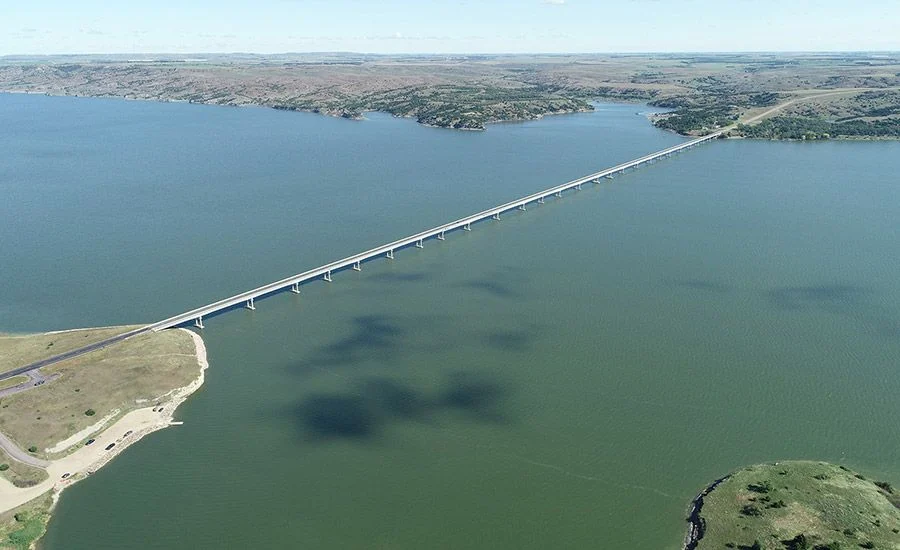
In a move that marks the most ambitious infrastructure undertaking in its history, the South Dakota Department of Transportation (SDDOT) has officially greenlit the replacement of the Platte-Winner Bridge. Spanning the vast expanse of the Missouri River, this vital artery serves as a critical connection for the southeastern part of the state. The project, awarded to Burnsville, Minnesota-based Ames Construction, carries a price tag of $290 million and represents a complex, multi-year engineering feat that aims to rectify long-standing geological challenges while modernizing one of the state’s most vital pieces of infrastructure.
As the state’s longest bridge, the Platte-Winner crossing has been a landmark since its completion in 1966. However, after nearly six decades of service, the structure has reached the end of its functional life. The upcoming replacement project is not merely a repair; it is a complete reimagining of how traffic will traverse this challenging terrain, incorporating modern engineering standards to ensure safety and connectivity for the next century.
The Scope of the Project: Engineering and Design
The sheer scale of the project underscores its significance to South Dakota’s transportation network. The new structure will be a steel girder bridge supported on advanced drilled shafts, designed to withstand both the environmental rigors of the Missouri River valley and the increasing demands of modern traffic.
Design Specifications
The new bridge will stretch approximately 5,770 feet, slightly longer than the existing 5,655-foot structure. Perhaps more importantly for modern safety standards, the roadway will see a significant expansion in width, increasing from 28 feet to 36 feet. This additional space will accommodate wider lanes and improved shoulders, allowing for safer passage of commercial vehicles, agricultural equipment, and passenger traffic.
The choice of a steel girder design is calculated to provide both durability and structural efficiency. By utilizing drilled shaft foundations, engineers aim to bypass the unstable soil layers that have plagued the current site for decades.
A Two-Fold Package
While the Platte-Winner bridge is the centerpiece of the $290-million design-bid-build contract, the scope also includes the replacement of a smaller bridge in Douglas County. Ames Construction secured this secondary project with a bid of $652,000—a figure approximately $64,500 below the state’s initial estimate. This secondary project, while smaller in scale, remains a critical component of the regional infrastructure improvements intended to bolster connectivity across the southeast corridor.
Chronology: From 1966 to 2031
The history of the Platte-Winner Bridge is one of utility marred by persistent environmental obstacles.
- 1966: The original Platte-Winner bridge is opened to traffic, providing a much-needed link across the Missouri River. For nearly 60 years, it has served as a primary conduit for the region.
- The Mid-Life Crisis (1990s–2020s): Throughout its lifespan, the bridge has struggled with its alignment. The current bridge path has been subject to recurrent landslides, leading to significant structural stress. Over the decades, the SDDOT has been forced to commit millions of dollars toward emergency repairs and ongoing mitigation efforts to keep the crossing safe and operational.
- 2024–2025: The planning phase for the replacement project reaches fruition. After evaluating the deteriorating condition of the bridge and the unsustainable costs of continued maintenance, the South Dakota Transportation Commission officially opens the project to competitive bidding.
- August 2026: Ames Construction is formally awarded the contract.
- 2026–2030: The construction phase. This period will see the staging of heavy machinery, the mobilization of labor forces, and the intricate process of erecting the new steel girder structure.
- June 2030: Target date for the new bridge to open to traffic. This milestone will signal the completion of the main construction effort.
- November 2031: Scheduled date for the final removal of the existing 1966 structure, marking the conclusion of the project and the decommissioning of the old crossing.
Supporting Data: Bidding Analysis and Market Reality
The procurement process for a project of this magnitude offers a window into the current state of the construction industry in the American Midwest. The $290-million award to Ames Construction was not without controversy regarding budget expectations.
Comparative Bid Data
The bidding pool for this massive project was highly competitive, reflecting the high stakes involved. The submitted bids were as follows:

- Ames Construction: $290 million
- Lunda Construction Co.: $306 million
- Kraemer North America: $313 million
- Platte-Winner Constructors: $451 million
Notably, Ames Construction’s bid was $40 million above the state’s original estimate for the Platte-Winner structure. This gap highlights the disparity between internal governmental cost projections and the market realities facing private contractors today.
Official Responses and Industry Context
The discrepancy between the state’s estimates and the actual bid prices has been the subject of significant scrutiny. Julie Stevenson, spokesperson for the South Dakota Department of Transportation, provided context regarding the elevated costs in a recent communication.
"The bids likely came in higher than the engineer’s estimate due to the size and complexity of the project, current construction-market conditions for both materials and labor, and the project’s remote, rural location," Stevenson noted.
Addressing the Complexity
The "remote, rural location" factor cannot be overstated. Logistics in rural South Dakota present unique hurdles, including the transport of massive steel girders and the mobilization of specialized equipment to a site that is far from major industrial hubs. Furthermore, the volatility in global steel prices and the ongoing scarcity of skilled labor in the civil engineering sector have created a "perfect storm" for project pricing, leading many state departments of transportation across the country to recalibrate their budgetary expectations.
Implications: The Future of South Dakota Infrastructure
The replacement of the Platte-Winner Bridge is more than just a capital improvement project; it is a strategic investment in the economic and social fabric of southeastern South Dakota.
Mitigating Geological Risks
By selecting a new alignment and utilizing superior foundation technology, the SDDOT is effectively "de-risking" the crossing. The previous history of landslides and structural degradation will be mitigated by the modern design, which avoids the volatile geological zones that historically caused the most expensive maintenance issues. This will likely save the state millions in future operational costs.
Economic Impact
For the residents and businesses in the region, the bridge represents a lifeline. It facilitates the movement of agricultural goods—the backbone of South Dakota’s economy—as well as the daily commutes of workers and tourists visiting the Missouri River area. The widening of the bridge to 36 feet is a proactive measure to accommodate future traffic growth and larger farm equipment, ensuring the bridge remains relevant for decades to come.
Setting a Precedent
As the largest project the SDDOT has ever led, this endeavor sets a precedent for how the state handles large-scale, complex infrastructure in the future. The successful management of this project will likely determine the procurement strategies, risk assessment models, and construction oversight practices for upcoming decades. It underscores the transition toward larger, more resilient, and more technologically sophisticated infrastructure projects, moving away from simple maintenance and toward long-term asset management.
Conclusion
As Ames Construction prepares to break ground, the eyes of the engineering and transportation communities remain fixed on South Dakota. The replacement of the Platte-Winner Bridge is a testament to the necessity of infrastructure evolution. By confronting the realities of an aging structure and a challenging environment, the South Dakota Department of Transportation is ensuring that the state’s longest bridge will continue to serve as a symbol of connectivity and progress. While the costs are significant, the long-term benefits—safety, efficiency, and resilience—will provide the region with a solid foundation for the future. With completion slated for 2030, the project serves as a cornerstone of the state’s long-term vision for its transportation network, promising a safer and more reliable passage over the Missouri River for generations to come.